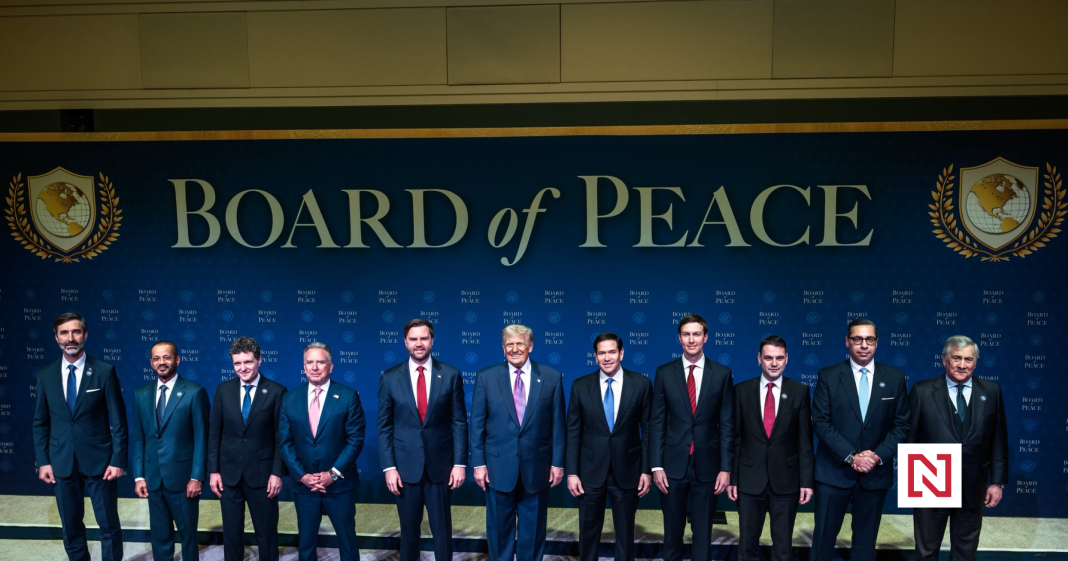

Czech President Petr Pavel has made headlines with a recent private overseas trip, drawing attention and curiosity from the public. While details about the travel remain limited, the trip highlights the president’s personal and diplomatic engagements away from the official spotlight.
The Purpose Behind the Journey

While President Pavel’s office has not disclosed specific information about the trip’s purpose, such private endeavors often involve personal reasons or unofficial diplomatic meetings. These trips can serve as opportunities for networking and informal discussions that may later influence formal policies and diplomatic relations.
Speculation among political analysts suggests that the journey could have involved discussions on international cooperation or cultural exchanges. Given the president’s proactive approach to foreign relations, such trips may be pivotal for fostering stronger ties between countries.
Public Interest and Transparency
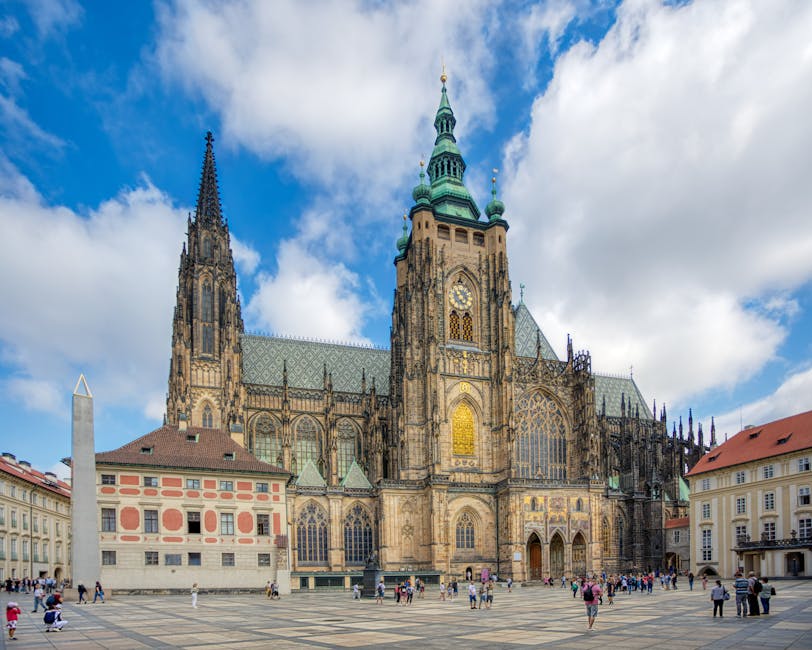
The president’s overseas travel has sparked a debate on transparency in the realm of state affairs. While public officials often travel for personal reasons, the line between private and official engagements can sometimes blur, leading to calls for greater transparency.
President Pavel is known for advocating openness and has previously communicated his dedication to keeping the public informed. Balancing privacy and public interest remains a nuanced challenge for any head of state.
President Pavel’s Diplomatic Efforts

President Pavel has been active on the international stage, working to strengthen Czechia’s global presence. His diplomatic efforts focus on building alliances and addressing global challenges such as climate change and economic cooperation.
This travel, whether personal or semi-official, underscores the president’s ongoing commitment to maintaining and expanding international relations while navigating complex global dynamics.
Reactions from Political Peers

Political reactions to President Pavel’s trip have varied. While some colleagues view it as a routine personal affair, others see it as an essential part of his diplomatic strategy. Such trips can offer unique insights into different cultures and political landscapes, enriching a leader’s perspective.
The influence of these travels often extends beyond immediate results, potentially impacting future policy decisions and international collaborations.
In conclusion, President Pavel’s private overseas trip is a reminder of the multifaceted roles that state leaders play on both domestic and international stages. As the public eagerly awaits more information, it’s clear that such journeys contribute to the intricate tapestry of diplomacy and governance.