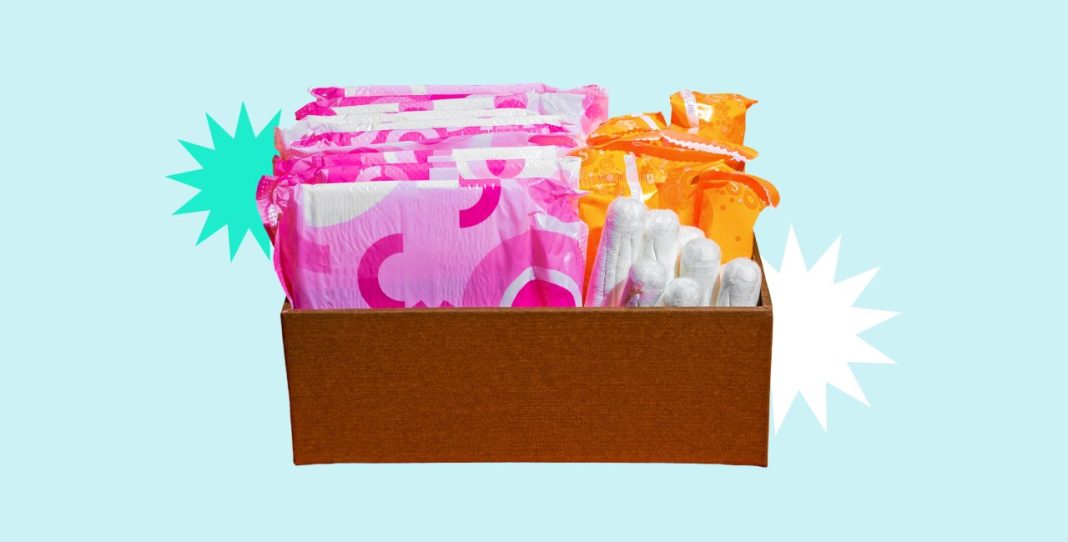

In an effort to promote equality and accessibility, Prague has introduced free menstrual products in schools, addressing a crucial need for many students. This initiative comes amid ongoing debates about the so-called tampon tax, which continues to be a significant issue in Czechia.
Providing Basic Necessities for Students

Prague’s decision to offer free menstrual products in schools is a groundbreaking move that emphasizes the importance of meeting the basic needs of students. Menstrual hygiene products are essential for the well-being and comfort of students, ensuring they can focus on their education without the added concern of managing their periods. For many young people, access to such products can make a significant difference in their school attendance and performance.
This initiative reflects a broader understanding of education not just in terms of academics but also in providing a supportive environment. By addressing the stigma around menstruation and ensuring these products are readily available, Prague is setting a precedent for other cities in Czechia and beyond.
Ongoing Concerns Surrounding the Tampon Tax

Despite this positive step, the issue of the tampon tax remains unresolved in Czechia. The tax on menstrual products has long been criticized as unjust and gender-biased, leading to calls for its reduction or elimination. Many advocates argue that sanitary products are necessities, not luxuries, and thus should not be subject to taxation.
The government’s stance on the tampon tax has seen some public discourse, with discussions around economic implications balanced against the need for gender equity. Reducing or abolishing the tampon tax could alleviate financial burdens for many, promoting fairness and inclusivity.
Public Response and Support

The introduction of free menstrual products in schools has been met with widespread support from the public and various advocacy groups. Many see this as a significant step forward in addressing period poverty and encouraging open conversations about menstruation, a topic often shrouded in silence and misinformation.
Educators and parents alike have praised the measure as a practical approach to improving the wellbeing of students. By normalizing discussions about menstruation and related needs, Prague is helping to dismantle taboos and empower young individuals to understand and embrace topics related to their health.
Potential for Nationwide Implementation

While this initiative has started in Prague, there is potential for it to spread throughout Czechia. Advocates are hopeful that the success of the program will inspire other regions to adopt similar policies. The interest shown by other educational institutions suggests a growing recognition of the importance of tackling period poverty on a broader scale.
Implementing such a policy nationwide would require coordination and funding, but the benefits of ensuring students have access to essential items are evident. A nationwide approach could significantly affect gender disparity issues related to education and health.
In conclusion, Prague’s initiative to offer free menstrual products in schools marks an important step toward gender equality and the well-being of young students. As the conversation around the tampon tax continues, the city’s actions may lead to broader changes in policies and perceptions regarding menstrual health.