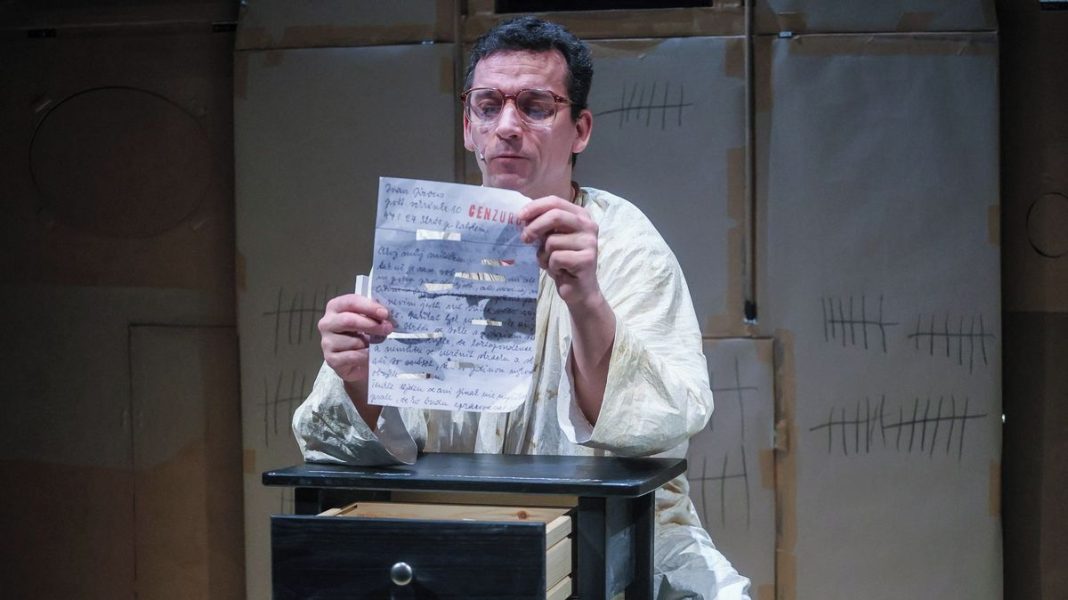
The Prague Court is set to reassess the conditional release of Jan Vocásek, a convicted murderer whose case has garnered public attention due to its complexity and implications on the legal system. As the court prepares to make its decision, it faces the challenging task of balancing justice and rehabilitation.
The Background of Jan Vocásek’s Case
Jan Vocásek was convicted of murder several years ago, a crime that left a significant mark on the community and the victim’s family. Vocásek’s trial was widely covered in the media for its dramatic turns and intense court sessions. Now, as his conditional release is up for reevaluation, the case has once again returned to the public eye.
The initial crime involved a violent altercation that resulted in the tragic loss of life. The case was controversial, with debates over Vocásek’s mental state and intentions at the time of the incident. As he nears the end of his sentence, the decision on his potential release becomes crucial.
Legal Aspects in Focus
The reevaluation of Vocásek’s conditional release involves careful consideration of legal principles and the balance of public safety. The court will examine Vocásek’s behavior during his imprisonment, his rehabilitation efforts, and any potential risks he might pose if released.
Legal experts suggest that such cases bring forth important discussions about the nature of rehabilitation and whether individuals convicted of serious crimes can reintegrate successfully into society. The decision will set a precedent for similar cases in the future, shaping policies around conditional releases.
Public and Victim Perspectives
The case has had a lasting impact on the victim’s family, who have expressed concerns about Vocásek’s potential release. They argue that justice cannot be served if he is allowed to return to society prematurely. Their sentiments echo a broader public concern about safety and the integrity of the justice system.
Conversely, there are advocates for prison reform who argue that conditional releases are essential for rehabilitating offenders and reducing prison overpopulation. They believe that individuals like Vocásek, if sufficiently reformed, deserve a second chance.
Impact on the Justice System
This case highlights significant issues within the Czech judicial system, prompting discussions on how it handles serious offenders. The decision regarding Vocásek’s release will potentially influence future legal reforms and policies on conditional releases.
Observers are keenly watching the proceedings, anticipating the court’s ruling and its implications for other similar cases. It is a delicate situation that underscores the complexity and responsibility of the judicial process in ensuring both justice and social rehabilitation.
As the court prepares to make its ruling on Jan Vocásek’s conditional release, all eyes remain on Prague. The outcome will not only affect the individuals directly involved but also serve as a reflection of the balance between justice and rehabilitation within the Czech legal framework.