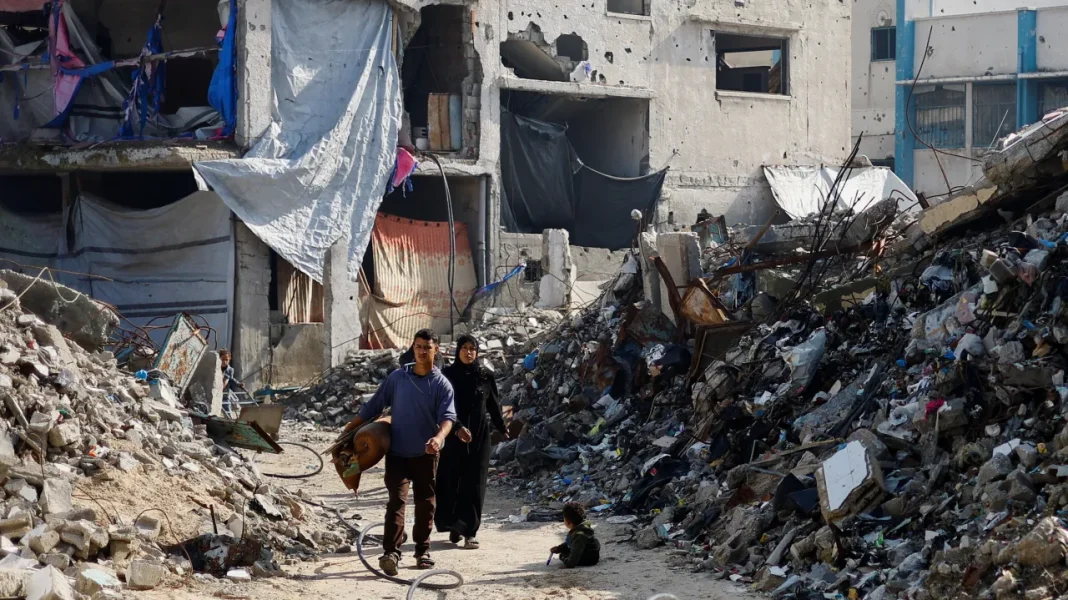

The second phase of former President Donald Trump’s plan for Gaza has commenced, aiming to reshape geopolitical dynamics in the region. This strategic initiative introduces fresh challenges and opportunities for peace and stability in the Middle East.
Background and Objectives

The initial phase of Trump’s plan focused on establishing diplomatic ties and economic revitalization efforts between Israel and neighboring countries. Phase two continues this trajectory by emphasizing the strengthening of these diplomatic relationships, enhancing regional security, and fostering economic cooperation. The goal is to achieve a sustainable peace framework that accommodates the interests of both Israelis and Palestinians while involving key regional players.
This phase builds on the success of the Abraham Accords, which saw Middle Eastern nations recognizing and normalizing relations with Israel. The accords set a precedent for potential peace and stability in the region, serving as a foundation for Trump’s ongoing efforts in Gaza.
Mechanisms and Implementation

The plan involves increased international collaboration and investment in Gaza’s infrastructure, aiming to improve living conditions and economic prospects for its residents. Key initiatives include rebuilding essential facilities, enhancing trade routes, and providing humanitarian aid.
Additionally, the approach includes engaging regional allies and international partners to ensure comprehensive security arrangements that deter conflict and promote long-term stability. This aspect of the plan emphasizes collective security measures and continuous diplomatic engagement to address ongoing tensions.
Challenges and Criticisms

Despite these optimistic goals, the phase faces significant challenges. Skeptics argue that the plan must overcome deep-seated mistrust and political divisions among Palestinian factions and their regional allies. The lack of a clear roadmap for Palestinian statehood remains a primary point of contention.
Moreover, implementing economic projects in a conflict-prone area presents logistical and security challenges. Critics emphasize that without addressing fundamental political disagreements and ensuring equitable resource distribution, the plan’s success remains uncertain.
Reactions and Implications

Regional reactions to the plan have been mixed. Some countries welcome the economic opportunities and potential for reduced hostilities, while others express caution, questioning the plan’s impact on Palestinian sovereignty aspirations. International stakeholders monitor developments closely, considering the broader implications for the Middle East peace process.
The plan’s success or failure could significantly influence regional dynamics, potentially altering alliances and impacting global geopolitical strategies. Effective implementation might lead to enduring peace, while setbacks could exacerbate existing conflicts.
Phase two of Trump’s Gaza plan represents an ambitious endeavor to transform longstanding conflict into opportunity, though its success will depend on navigating complex geopolitical realities and fostering genuine collaboration among diverse stakeholders.