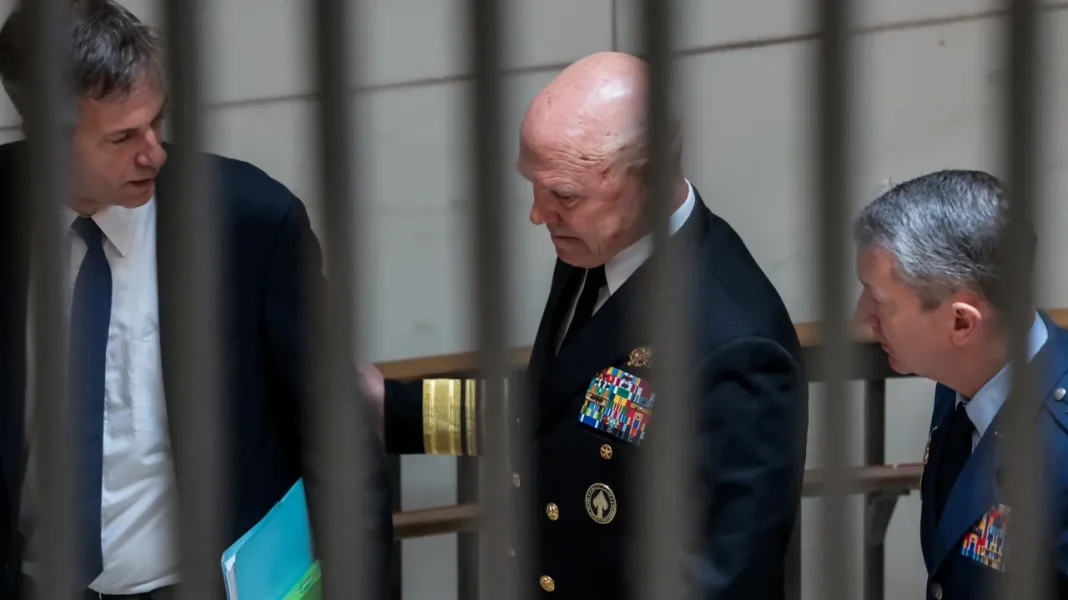

In a surprising revelation, a recent report has brought to light that the Pentagon employed civilian-disguised aircraft during a covert operation in the Caribbean. This method raises questions about military strategies and their implications on international relations.
The Operation’s Strategic Approach
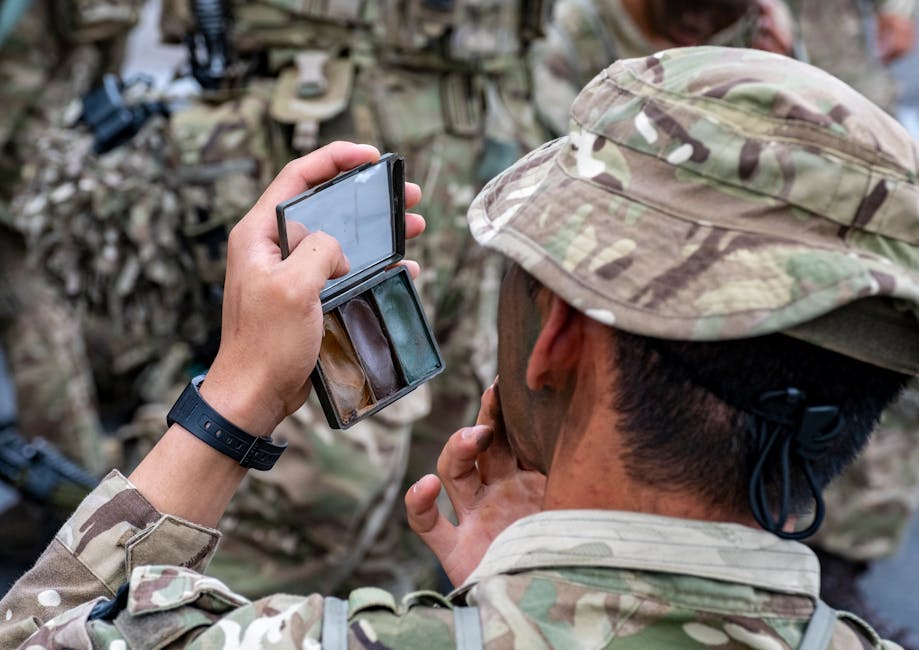
The deployment of civilian-disguised aircraft by the Pentagon is an intriguing strategy that underscores the complexity of modern military operations. This approach is designed to enhance stealth and mitigate the risk of detection, allowing military personnel to carry out sensitive missions without attracting unwanted attention. The use of such tactics suggests a shift towards more covert and non-traditional strategies in military operations.
By blending into civilian air traffic, these disguised aircraft can effectively reduce the chance of intercept by enemy forces. This method highlights an innovative yet controversial aspect of military strategy, which aims to ensure operational success while minimizing potential collateral damage.
Ethical and Legal Considerations

The utilization of civilian-disguised aircraft also brings with it a host of ethical and legal challenges. International laws governing airspace and military conduct seek to maintain clear distinctions between civilian and military activities to prevent escalations and safeguard civilian lives. The blurring of these lines, as illustrated by the Pentagon’s strategy, raises significant concerns about the potential for misidentification and unintended consequences.
Legal experts suggest that such tactics could be seen as deceptive under international law, potentially leading to diplomatic disputes. The challenge lies in balancing operational security with adherence to established legal frameworks, ensuring that military actions do not inadvertently violate international norms.
Implications for International Relations

The revelation of these tactics could have far-reaching implications for the United States’ relationships with other nations, particularly those in the Caribbean region. Countries within this area may view the operation as an infringement on their sovereignty or as a potential threat, straining diplomatic ties.
The incident underscores the need for transparent communication between nations regarding military activities that might affect regional stability. Diplomatic channels must remain open to address any concerns and foster cooperation rather than conflict.
Public and Political Reactions

The report has elicited mixed reactions from both the public and political figures. While some view the tactics as a necessary evolution of military strategy in response to evolving threats, others criticize the potential risks and ethical dilemmas it presents.
Political analysts suggest that the government may face increased scrutiny regarding their oversight and decision-making processes in future military operations. Public opinion may demand greater transparency and accountability to ensure that civilian lives are not inadvertently put at risk by such strategies.
In conclusion, the Pentagon’s use of civilian-disguised aircraft in the Caribbean operation presents a complex scenario where innovation in military strategy must be balanced against ethical, legal, and diplomatic considerations. The ongoing discussion reflects broader challenges in aligning national security objectives with international norms.
Source: Official U.S. Department of Defense website.