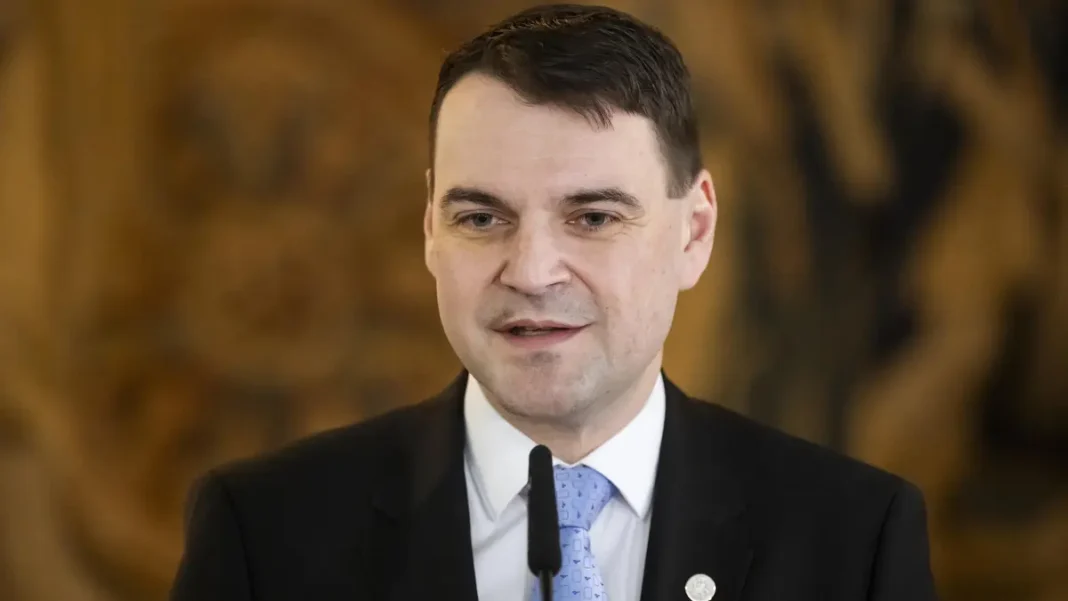

In a recent speech, Pavel delved into the complexities of civic society, presenting a critical analysis of why it shouldn’t always be seen through rose-colored glasses. His insights challenge the conventional wisdom that every aspect of civic engagement is beneficial.
The Double-Edged Nature of Activism

Pavel began by discussing how activism, while often a driving force for positive change, can sometimes lead to unintended consequences. He cited instances where grassroots movements, in their zeal, might overlook the necessity for structured dialogue and compromise, leading to societal polarization. By striving for rapid change, these movements might inadvertently strain social cohesion, highlighting the importance of balanced and nuanced approaches.
One particular example involved civic campaigns that lobbied for swift legislative changes without considering long-term impacts or broader consensus. Pavel emphasized the need for a comprehensive understanding of complex societal issues before advocating for transformative policies. Activism must be married with patience and scholarly insight to ensure its benefits outweigh potential drawbacks.
Citizen Participation: A Double-Edged Sword?

Civic participation is often heralded as the bedrock of a thriving democracy. Pavel, however, pointed out that not all citizen involvement is inherently constructive. He noted instances where vocal minority groups might dominate public discourse, skewing policy decisions that impact wider society. This phenomenon, sometimes referred to as the “vocal minority effect,” challenges the effectiveness of civic participation in truly representing the collective will.
Additionally, the rise of misinformation and echo chambers in the digital age poses a significant threat to informed civic involvement. Pavel argued that while participation is crucial, it must be rooted in verified information and thoughtful discussion. Societal decisions based on half-truths or fabricated narratives could lead to divisive and counterproductive outcomes.
The Role of NGOs: Beyond Good Intentions

Non-Governmental Organizations (NGOs) play a pivotal role in civil society, often driving humanitarian and social efforts. Pavel, however, suggested that their role is not without complications. He pointed to cases where NGOs, in their pursuit of funding and influence, drift away from their original objectives, leading to mission distortion or inefficiency.
Pavel advocated for greater transparency and accountability within NGO operations. He underscored the importance of carefully monitoring their influence on public policy to ensure that their initiatives align with societal needs. In his view, NGOs must safeguard their credibility by adhering to rigorous ethical standards and fostering genuine collaboration with local communities.
Balance and Responsibility in Civic Engagement

Concluding his speech, Pavel called for a balanced approach to civic engagement, one that emphasizes responsibility over mere participation. He encouraged citizens to critically assess their involvement, striving for informed and constructive actions. This balance requires an understanding of both the limitations and the potentials of civic society.
Pavel reiterated the necessity for civic society to embrace diverse viewpoints and cultural contexts, especially in global cities like Prague. Engaging with various stakeholders, he suggested, will foster an inclusive environment where informed policies benefit the collective good, rather than serve isolated interests.
In summary, Pavel’s speech sheds light on the nuanced nature of civic society. By challenging conventional perceptions, he invites a deeper examination of how we engage with and shape our communities for the better.