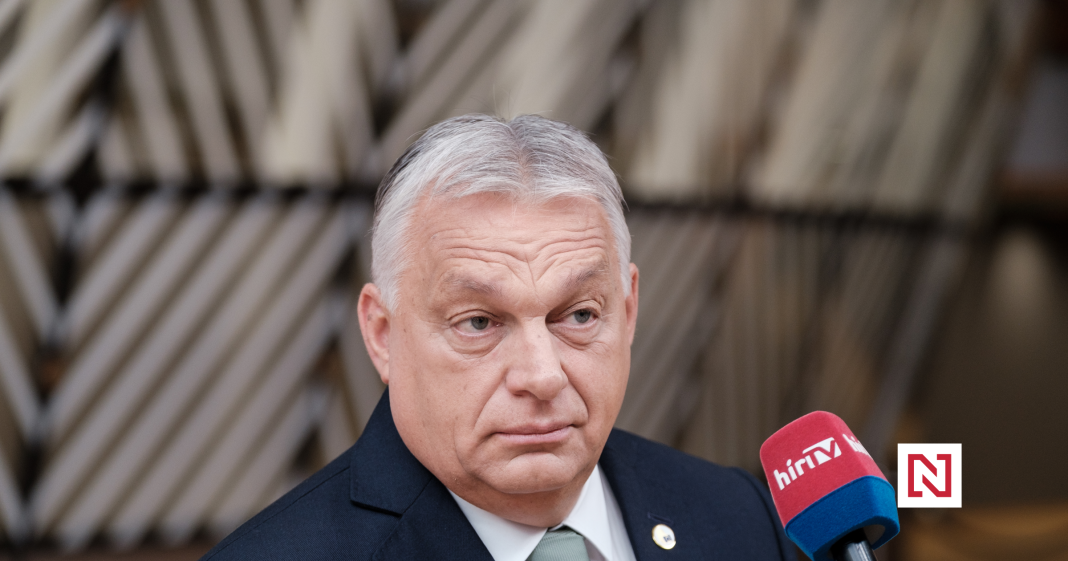

In a recent controversial statement, Hungarian Prime Minister Viktor Orban questioned Ukraine’s commitment to peace, using the Czech Republic as a comparative example. This assertion prompted a swift reaction from former Czech Prime Minister Andrej Babis.
Orban’s Controversial Claim

Viktor Orban’s comments regarding Ukraine’s approach to peace negotiations have stirred the political landscape in Central Europe. The Hungarian leader suggested that Ukraine is failing to pursue viable peace strategies, contrasting its approach unfavorably with that of the Czech Republic. He implied that Ukraine should take cues from Czechia’s diplomatic efforts and strategies.
Orban’s remarks have sparked widespread debate, with critics accusing him of oversimplifying a complex international conflict. The Hungarian government’s stance on the Ukraine situation has been a subject of controversy, often differing from the EU’s collective approach to the crisis.
Reaction from Andrej Babis

In response to Orban’s assertion, Andrej Babis, the former Prime Minister of the Czech Republic, issued a statement refuting the comparison drawn by Orban. Babis emphasized the differing contexts and challenges between Ukraine and Czechia, pointing out that every nation has unique geopolitical pressures and historical relationships to consider.
Babis underscored the importance of understanding these nuances before making blanket statements, especially in a sensitive area of international diplomacy. He also praised the Czech Republic’s historical commitment to peaceful resolutions and highlighted its support for Ukraine’s sovereignty.
Impact on Czech-Hungarian Relations

The exchange between Orban and Babis has injected tension into Czech-Hungarian relations, which have generally been collaborative within the Visegrád Group framework. Analysts suggest that Orban’s comments may reflect deeper geopolitical strategies rather than a direct critique of Czech diplomacy.
Diplomats from both nations are reportedly working to ensure that this political spat does not undermine broader regional cooperation. The focus remains on addressing shared challenges and maintaining unity within Central Europe’s political landscape.
The Broader European Context
Orban’s statement also touched on broader European dynamics concerning the Ukraine conflict. Many EU leaders have emphasized the need for a united front in supporting Ukraine against Russian aggression. Orban’s critical view highlights the ongoing debates within the EU about the best policy approaches for peace in Eastern Europe.
While Hungary’s unique position sometimes conflicts with the majority EU stance, this situation underscores the complexity of forming a cohesive policy that satisfies all member states. Balancing national interests with collective security remains a delicate endeavor for the EU.
In conclusion, Viktor Orban’s statement has sparked significant debate in Central Europe, revealing underlying tensions between national policies and shared European objectives. As the situation unfolds, regional leaders continue to navigate these complex diplomatic waters.
Source: Official Hungarian Government website.