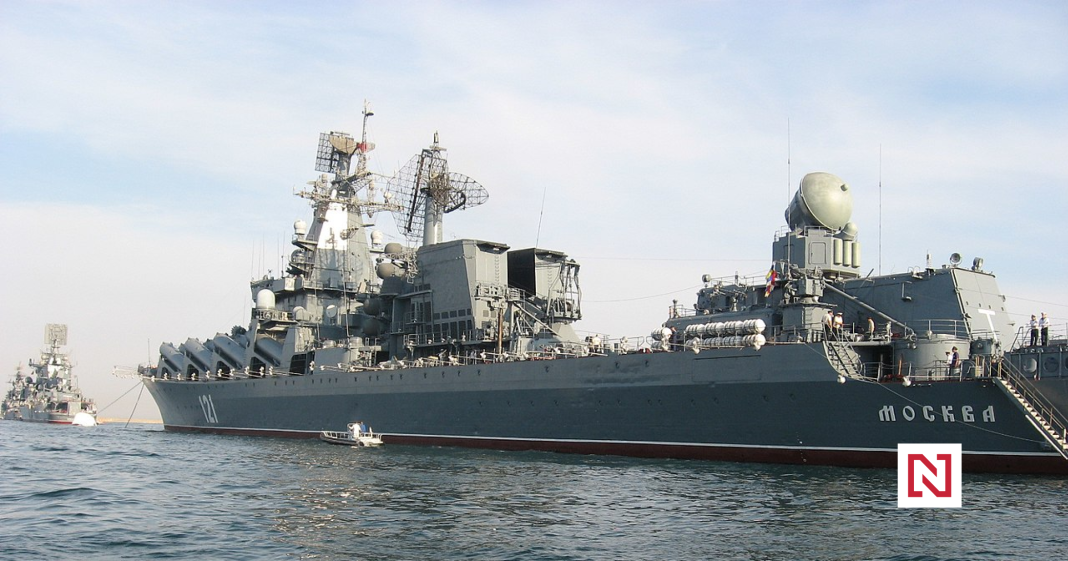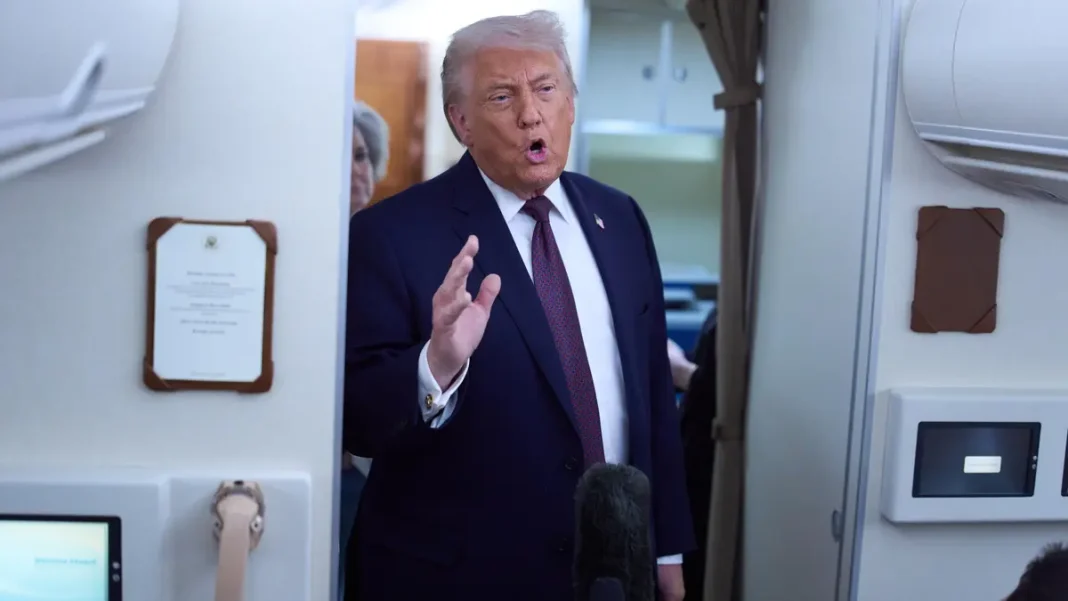

The United States has announced new tariffs against vessels and companies connected to Iran, marking another significant step in its long-standing policy of economic sanctions against the country. This move comes as part of ongoing efforts to pressure Iran over its nuclear activities and regional influence.
Details of the New Tariffs

The newly imposed tariffs specifically target a network of entities linked to Iran’s shipping and logistic sectors, which are suspected of aiding in the proliferation of weapons and other restricted goods. The U.S. Treasury Department stated that these tariffs aim to further isolate Iran economically and deter any illicit activities that could threaten global security.
The sanctions primarily affect companies and vessels identified as part of Iran’s alleged circumvention strategies. This includes freezing assets and barring them from engaging in U.S.-related transactions. By imposing these tariffs, the U.S. aims to tighten its grip on Iran’s crucial maritime supply chains.
Impacts on Global Shipping

The latest tariffs are expected to disrupt certain shipping lanes and affect global trade patterns, especially for companies operating within regions that must navigate carefully around these restrictions. Shipping companies worldwide may have to reroute or adjust operations to comply with the new sanctions.
Furthermore, the tariffs could lead to increased shipping costs and delays, particularly for goods that traditionally transit through the Middle East. Analysts suggest that businesses may start seeking alternative transportation routes to mitigate any negative impact on their supply chains.
International Reactions
The international community has had mixed reactions to the new U.S. tariffs. Some allies of the United States have expressed support, emphasizing the importance of maintaining pressure on Iran to ensure compliance with international norms. However, other countries have voiced concerns about the broader economic implications and potential for escalating tensions.
Diplomatic efforts may intensify as the global community seeks to balance the enforcement of sanctions with the need for regional stability. Discussions within international trade forums and bilateral negotiations will likely address the wider consequences of these tariffs.
Historical Context
The United States has a long history of imposing sanctions on Iran, particularly in response to its nuclear program and regional activities. Previous measures have targeted various sectors, including finance, oil, and transport, aiming to curb Iran’s controversial endeavors.
These sanctions form part of a broader strategy to pressure Iran into ceasing activities deemed threatening to international peace and security. Over the years, such economic tools have been a cornerstone of U.S. foreign policy concerning Iran.
As the situation continues to unfold, the impact of the new tariffs will be closely monitored by governments and businesses alike, highlighting the complex interplay between international diplomacy and economic policy.