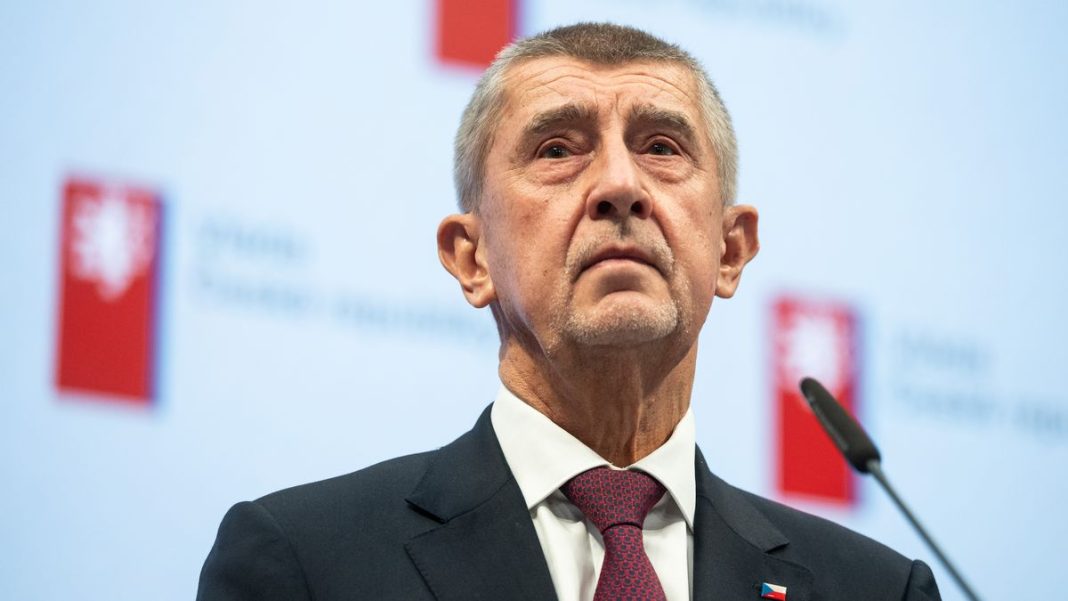

The new government in Czechia is taking a controversial stance by opposing the introduction of emission permits for households. This policy shift has caused a stir among energy suppliers, who are raising concerns about the resultant uncertainty in the market.
Government’s Stance on Emission Permits

The Czech government has decided against implementing emission permits for households, a move that is sparking debate across the nation. The administration argues that such permits could place an undue burden on ordinary citizens, potentially leading to increased financial strain. By opposing these permits, officials aim to maintain economic stability while considering the wider implications of climate policies.
This decision aligns with the government’s broader strategy to prioritize economic growth and stability over immediate environmental actions. However, the absence of household emission permits is raising alarms regarding long-term ecological responsibilities. Critics highlight that all sectors, including residential, need to play a part in reducing carbon footprints.
Energy Suppliers’ Concerns

Energy suppliers are facing a challenging landscape as a result of the government’s decision. The lack of clear regulations around household emissions creates an uncertain future for these companies. Suppliers are worried about how to plan and adjust their operations without a solid framework for emissions control.
This situation complicates their ability to invest in sustainable energy infrastructures, which could have long-term consequences for energy efficiency and environmental goals. The trade-off between economic stability and environmental responsibility presents a complex challenge for the sector.
Impact on Households

Households in Czechia are at the center of this policy debate, with mixed sentiments about the government’s position. On one hand, avoiding emission permits alleviates immediate financial obligations. However, in the long run, there may be concerns about environmental degradation and the possible introduction of stricter measures in the future.
Residents are encouraged to adopt voluntary energy-saving practices, although the effectiveness of such measures without formal regulation remains in question. The debate continues as citizens weigh their environmental responsibilities against economic realities.
Future Prospects and Adaptability

The opposition to household emission permits is not the end of the discussion. There are ongoing talks among policymakers, energy providers, and environmental groups about finding a balanced approach. The focus is shifting towards innovative solutions that can satisfy both environmental and economic objectives.
Adaptive strategies, such as incentives for renewable energy and improved energy efficiency measures, are being explored. The government acknowledges that collaboration with all stakeholders is essential to devise effective policies that address both climate and economic issues.
This situation is closely monitored by experts as Czechia navigates the complex landscape of environmental policies amid economic pressures. The outcome of this policy stance will likely serve as a case study for other nations with similar challenges.