
The Czech Republic is currently navigating a transformative political and social period marked by the appointment of a new government, municipal elections, and impactful changes in first grade enrollment policies. This combination of events promises to shape the country’s immediate future profoundly.
New Government Leadership

The recent formation of a new government in the Czech Republic has sparked national and international interest. As the country continues to adapt to global and local challenges, the leadership seeks to implement policy changes that address economic growth, public health, and environmental sustainability. With the current administration emphasizing transparency and modernization, citizens are encouraged to participate actively in policy discourse.
The appointment of key ministers and advisors indicates a strategic direction towards innovation and digital transformation. Investment in technology aims to boost the economy post-pandemic and create new job opportunities across various sectors. As the administration settles in, its impact on both domestic policies and international relations will become more apparent.
Municipal Elections

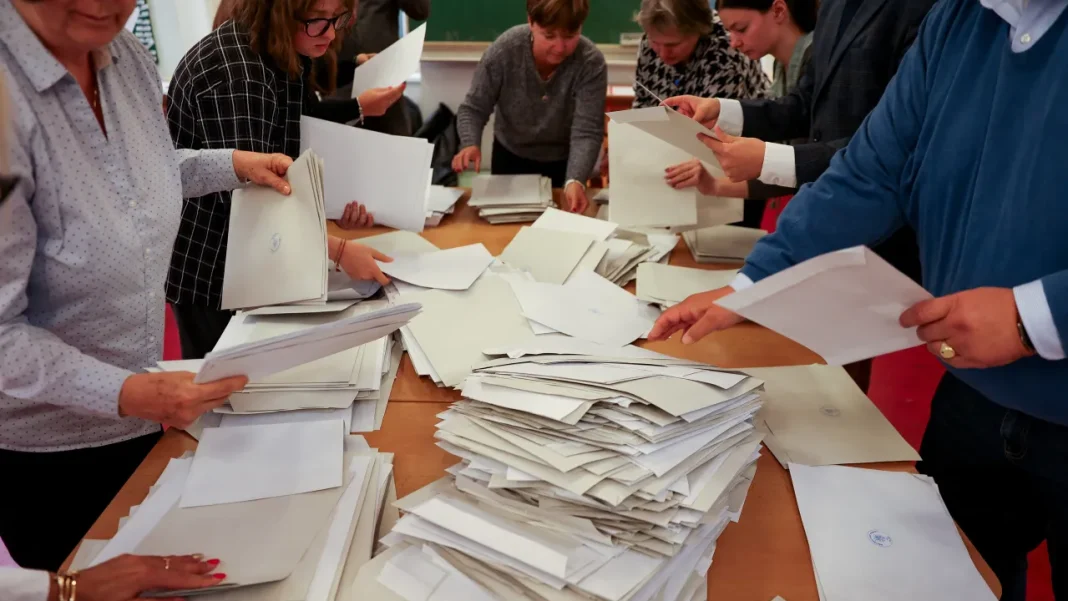
Municipal elections are an essential aspect of Czech democracy, offering citizens the opportunity to voice their preferences on local governance. The recent elections saw a mixed outcome, with several major cities experiencing a shift in leadership while others retained incumbents. The political landscape shift reflects a diverse set of public priorities ranging from infrastructure development to educational reform.
Local elections are considered a bellwether for broader national trends, often providing a glimpse into the evolving political climate. As new councilors and mayors begin their terms, residents eagerly anticipate progress in community-focused initiatives, such as improved public transportation and sustainable urban planning.
Changes in First Grade Enrollment

A significant development in education is the adjustment of first grade enrollment policies. The Ministry of Education has introduced new guidelines aimed at aligning educational practices with developmental needs. These changes are designed to support early childhood development more effectively and ease the transition into formal education.
One of the pivotal adjustments includes a reevaluation of the age criteria for enrollment. The policy aims to ensure that children are developmentally ready to begin schooling, promoting better academic outcomes and a more cohesive classroom environment. The ongoing dialogue with educators and parents highlights a collaborative approach to educational reform.
Implications for the Future
These concurrent changes—political, electoral, and educational—present both challenges and opportunities for the Czech Republic. A new government and fresh municipal leadership could reinvigorate public engagement and trust in national institutions. Meanwhile, educational reforms promise long-term benefits by fostering a better-prepared, younger generation.
The intersection of these elements underscores a pivotal moment for the Czech Republic. As policies take shape, public and governmental cooperation will be crucial to ensure these initiatives translate into tangible benefits for citizens.
The developments in government, municipal leadership, and educational policies position the Czech Republic for a dynamic and promising future. The outcomes of these changes will likely influence not only the country’s immediate course but also its long-term trajectory on the global stage.
Source: Official Czech Ministry of Education website.