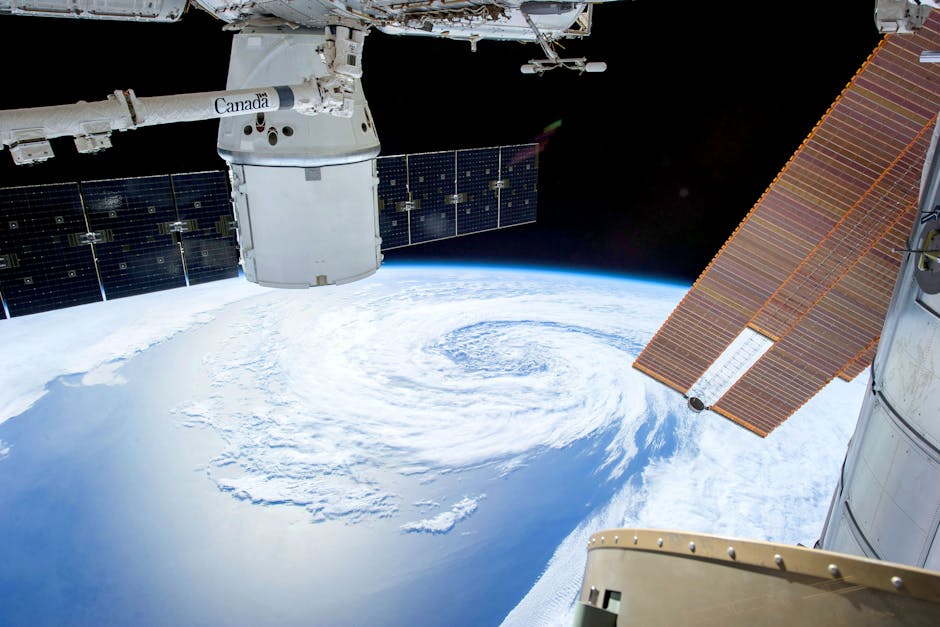

The recent decision by NASA to withdraw its crew from the International Space Station (ISS) earlier than planned has raised numerous questions about the implications for space exploration and international collaboration. This unexpected move signifies potential changes in the dynamics of space missions.
Reasons Behind NASA’s Early Withdrawal

NASA’s decision to bring its crew back earlier than scheduled stems from a variety of concerns, primarily related to technical malfunctions and safety reassessments. Recent reports indicate that there were unexpected issues with some of the station’s systems, which necessitated a reassessment of risk for the astronauts’ continued stay aboard the ISS. Ensuring the safety of crew members has always been a top priority for NASA, and such decisions are meticulously evaluated.
Additionally, this move might be influenced by geopolitical dynamics. Space partnerships often mirror terrestrial realities, and any shifts in international relations can impact collaborative space endeavors. With evolving partnerships and missions in the mix, NASA’s strategies might be adjusting to align with broader objectives and collaborations.
The Impact on International Collaboration

The ISS has long been a symbol of international cooperation, with multiple countries contributing to its construction, maintenance, and staffing. An early crew withdrawal by NASA poses questions on how this might affect other participating countries. The European Space Agency, Russian space agency Roscosmos, and other partners have been integral in maintaining the ISS’s operations.
While NASA’s withdrawal may seem abrupt, it isn’t expected to entirely disrupt operations, as contingency plans are generally in place for such eventualities. However, maintaining operations without the U.S. presence will be challenging, requiring renegotiation and potentially accelerating discussions about the future of the ISS after its planned decommission timeline.
Next Steps for NASA

NASA is not stepping away from the ISS permanently but is rather recalibrating its priorities. The agency’s focus might shift more heavily towards lunar and Martian exploration, with programs like the Artemis moon missions gaining precedence. Exploration of these celestial bodies represents the next frontier for human spaceflight, with potential long-term goals of establishing sustainable human habitats.
Investments in newer technologies and spacecraft that can withstand harsher conditions than those present in Earth’s orbit are currently under vigorous development. These technologies will be critical for the success of future missions and could revolutionize our current approach to space exploration.
Implications for the Future of Space Exploration

This event could serve as a catalyst for reviewing how international missions are structured and governed. With the New Space era bringing private companies into the fold, the role of traditional national agencies like NASA is evolving, calling for greater agility and innovation in methods and collaborations.
The overarching narrative is one of continued exploration—reshaping missions to leverage shared expertise. As space becomes more accessible due to reduced costs and advanced technologies, multinational endeavors may expand, allowing for a broader reach and impact beyond the existing framework of organizations.
In conclusion, NASA’s early crew withdrawal is a strategic move aligned with new safety assessments and potential shifts in space exploration priorities. It underscores the fluid nature of space collaboration and the ongoing evolution of international partnerships in the cosmos.
Source: Official NASA website.