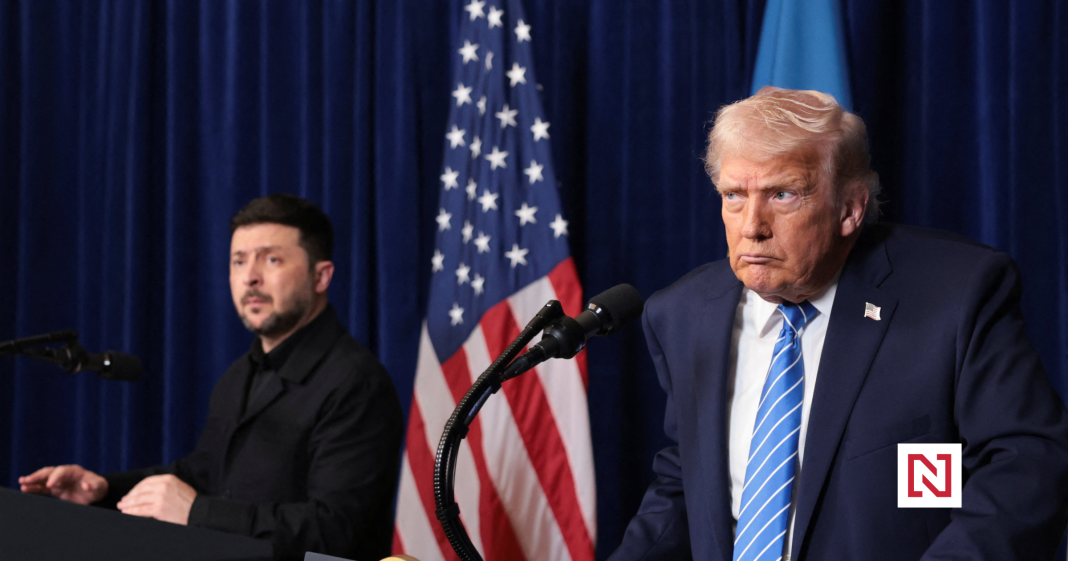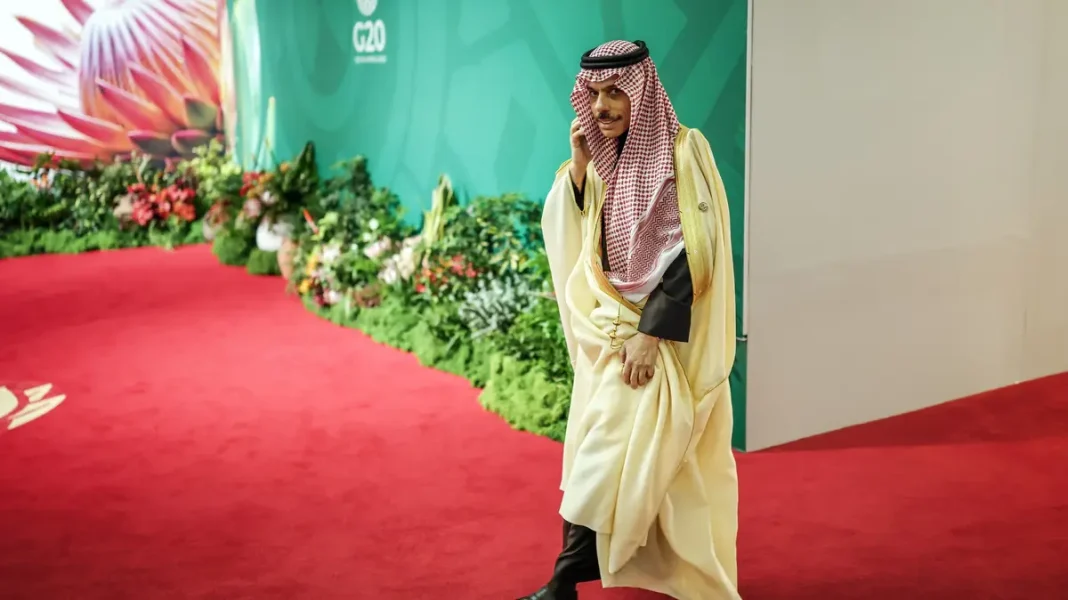

Tensions are rising in the Middle East as several countries urge former President Donald Trump to avoid escalating conflict with Iran. Their calls for restraint highlight the complexities of regional politics and the implications such conflicts have on global stability.
Mediterranean Concerns Over Escalation

The potential for military conflict with Iran has prompted significant concern from Middle Eastern nations. Countries in the region, some of which maintain complex relationships with Iran, are keen to avoid a scenario that could lead to widespread destabilization. Strikes and retaliations often spill over, affecting not only the direct combatants but also regional trade and economic stability. Leaders from various Gulf states have called for diplomatic solutions, emphasizing the importance of dialogue to resolve tensions.
Recent developments in U.S.-Iran relations, including the cancellation of security talks and escalatory military postures, have further contributed to regional unease. Nations like Saudi Arabia and the United Arab Emirates are particularly sensitive to conflict due to their proximity to Iran and reliance on the passage through critical maritime routes.
Global Diplomatic Efforts
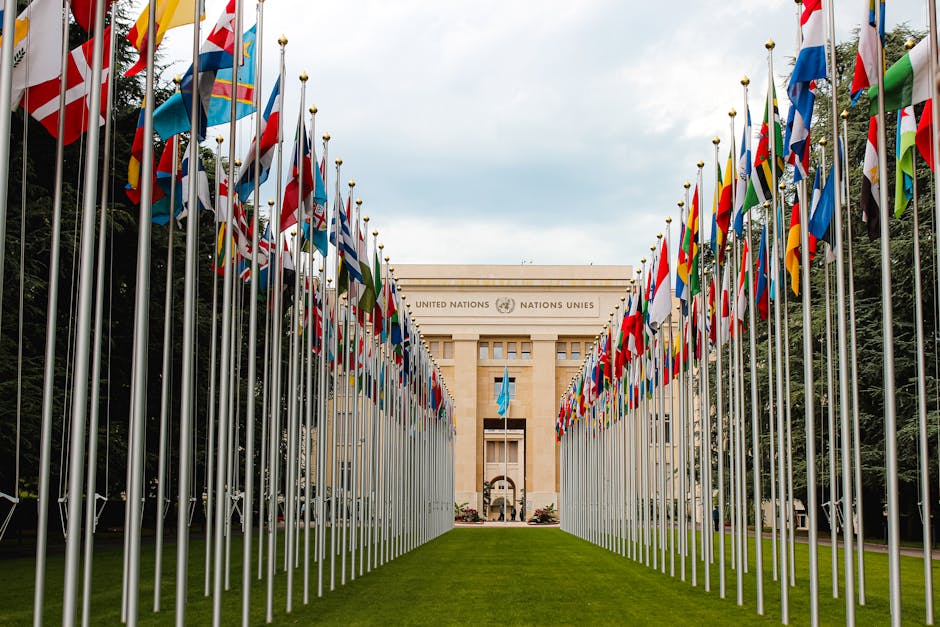
The international community has been closely monitoring the situation, with countries like Russia and China advocating for a peaceful resolution. The United Nations has also been involved, aiming to mediate and prevent any conflict that might result from aggressive posturing. European countries, through diplomatic channels, continue to engage both Washington and Tehran, reminding them of the destructive consequences of open conflict.
These diplomatic efforts stress the need for renewed negotiations and uphold the importance of existing nuclear agreements, which serve as cornerstones for maintaining at least a semblance of strategic stability in the region. They also point out that military conflict would only exacerbate existing humanitarian crises in the Middle East.
Impact on Global Markets and Trade

A potential conflict involving Iran could send ripple effects across global markets, particularly affecting oil prices and supply chains. The Strait of Hormuz, a vital shipping lane for crude oil, might be disrupted, leading to significant implications for energy markets worldwide. Historical precedents have shown that even minor disruptions in this region can lead to price spikes and supply shortages.
Beyond oil, regional stability impacts broader trade routes, affecting numerous sectors and economies. Countries that depend heavily on Middle Eastern energy supplies are particularly vulnerable to such disruptions, which could lead to increased foreclosures if alternate supply routes are not promptly secured.
Regional Diplomacy and Peace Initiatives

Middle Eastern countries are leveraging various diplomatic channels to de-escalate the situation. Qatar, which maintains a diplomatic relationship with Iran, has been instrumental in mediating talks and bringing different stakeholders to the negotiating table. Such initiatives aim to build trust and explore avenues for peace that go beyond military confrontation.
Other countries, including Oman, have also played roles as mediators, offering to host talks between the U.S. and Iran and emphasizing the importance of regional dialogue in preventing conflicts. These peace initiatives are not only critical for immediate tensions but are also steps toward long-term regional stability.
As the world watches closely, the calls for restraint from Middle Eastern countries underscore the critical nature of diplomatic engagement to avert a possible conflict with Iran. The focus remains on diplomatic channels to ensure peace and stability prevail in this volatile region.
Source: Official United Nations website.