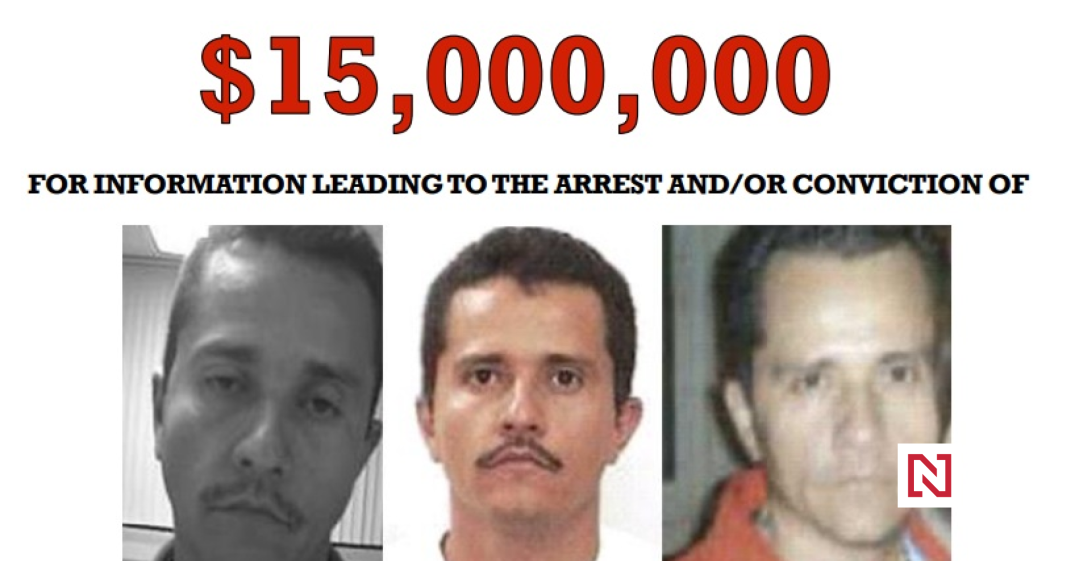

Recent reports confirm the death of Mexican drug lord El Mencho, leading to concerns about rising violence and instability in Mexico. This news comes at a precarious time as the country prepares to host the FIFA World Cup, raising fears about potential disruptions.
The Impact of El Mencho’s Death

El Mencho, one of the most notorious figures in the violent world of drug cartels, led the powerful Jalisco New Generation Cartel (CJNG). His death marks a significant shift in the Mexican drug landscape. Experts predict that this could lead to a power vacuum, sparking violent turf wars among rival cartels aiming to seize control. These conflicts are expected to heighten instability, leaving citizens vulnerable and escalating the current violence.
The CJNG, under El Mencho’s leadership, had become infamous for its brutal tactics and expansive network. Law enforcement agencies worldwide had been collaborating to curb the cartel’s influence. His demise, however, is unlikely to end the cartel’s activities. Instead, it could fragment the organization, potentially leading to increased violence as factions vie for dominance.
Implications for the Upcoming FIFA World Cup

As Mexico plans to co-host the FIFA World Cup, authorities are on high alert to ensure the safety of tourists and participants. The event, which promises to bring a significant influx of international visitors, is crucial for showcasing the country’s culture and hospitality. However, the potential for increased violence poses a serious challenge for security forces tasked with maintaining peace and security during the games.
The Mexican government has already announced enhanced security measures and the deployment of additional personnel in and around World Cup venues. This proactive approach aims to reassure the public and international attendees of their safety. Despite these measures, the uncertainty following El Mencho’s death adds a layer of complexity to the preparations.
Disappearances and Humanitarian Concerns

The rise in violence correlates with an alarming increase in disappearances across the country. Families and human rights organizations have raised concerns about the effectiveness of government efforts to address these issues. The struggle for power among cartels often results in violent confrontations, with civilians frequently caught in the crossfire. This ongoing crisis requires immediate and comprehensive strategies to protect citizens and combat criminal networks.
Efforts to tackle this crisis need international cooperation and support from global human rights organizations. Collaborative initiatives focused on providing resources and expertise could help Mexico implement sustainable solutions to curb the escalating violence and address the humanitarian crisis effectively.
Global Reactions and Future Prospects

The international community is closely monitoring the situation in Mexico. Various countries have expressed support for Mexican authorities in their efforts to stabilize the region and ensure safety during the World Cup. The event presents an opportunity for Mexico to demonstrate its resilience and commitment to overcoming these challenges.
Experts suggest that diplomatic efforts and global partnerships will be key in addressing the broader impacts of El Mencho’s death. This cooperation can pave the way for long-term peace and security, boosting Mexico’s image on the international stage and fostering economic and social development.
The death of El Mencho marks a pivotal moment in Mexico’s ongoing struggle with drug-related violence. While it introduces new challenges, it also provides a moment for reflection and potential reform. The global focus remains on ensuring the safety and success of the World Cup amid these turbulent times.
Source: Official FIFA World Cup website.