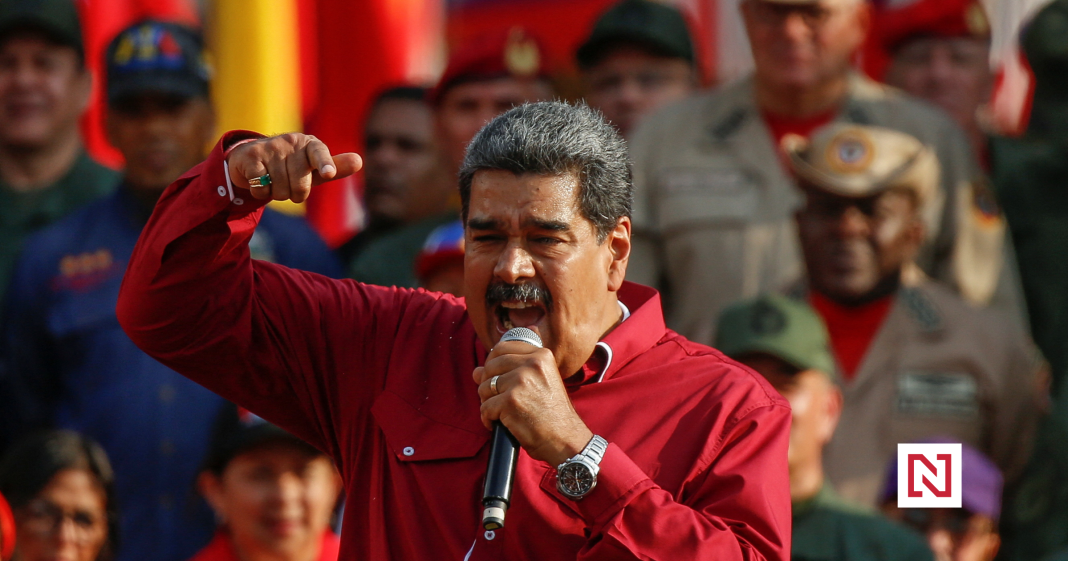

The sudden fall of Nicolás Maduro has sparked significant concern about Venezuela’s stability, raising fears that the nation could slide into civil war. As the political landscape shifts, many are questioning what the future holds for this South American country.
The Unanticipated Decline of Maduro

Nicolás Maduro, who succeeded Hugo Chávez as the president of Venezuela, has faced numerous challenges throughout his tenure, including economic crises, international isolation, and domestic unrest. Despite this, his sudden political downfall was unexpected. Analysts are exploring the internal and external factors that contributed to this rapid change, focusing on the mounting pressure from opposition forces, economic failures, and potential fractures within the ruling party itself.
The international community was caught off-guard by Maduro’s abrupt departure from power. His leadership, marked by controversial policies and widespread protests, had seemed resilient despite growing dissent. However, a combination of internal dissent and international sanctions may have intensified the pressure, leading to his unforeseen demise.
Implications for Venezuela’s Future

The vacuum left by Maduro’s departure poses significant challenges to Venezuela’s future. As political factions vie for control, the possibility of civil unrest looms large. The opposition, fragmented yet increasingly vocal, is attempting to seize the opportunity to push for democratic reforms and revitalize the economy.
Meanwhile, loyalist factions of the ruling party may resist any transitions that undermine their hold on power. This potential divide raises the specter of increased political and social instability, which could lead to violent confrontations.
International Reactions and Concerns

The international reaction to Maduro’s fall has been mixed, with some nations expressing optimism about potential democratic reforms, while others caution against the rise of authoritarian replacements. Regional powers like Brazil and Colombia are closely monitoring the situation, concerned about the impact of instability on their borders.
European and North American countries, which have imposed sanctions on Maduro’s government, are advocating for peaceful transitions and expressing support for democratic initiatives. Their involvement is likely to play a crucial role in shaping Venezuela’s political future.
Humanitarian Crisis and Economic Challenges

Venezuela has been grappling with a severe humanitarian crisis, with shortages of basic necessities and a collapsing healthcare system. The political upheaval only exacerbates these challenges, as uncertainties make it difficult to implement effective economic policies.
Efforts to address the immediate needs of citizens are paramount to prevent further deterioration of living conditions. International aid and support from neighboring countries will be crucial to stabilizing the situation and ensuring access to essentials for Venezuelans.
Conclusion: As Venezuela navigates this pivotal moment in its history, the path forward remains uncertain. The nation’s future depends on the ability of its political leaders to negotiate peaceful solutions, the resilience of its people, and the support of the international community.





