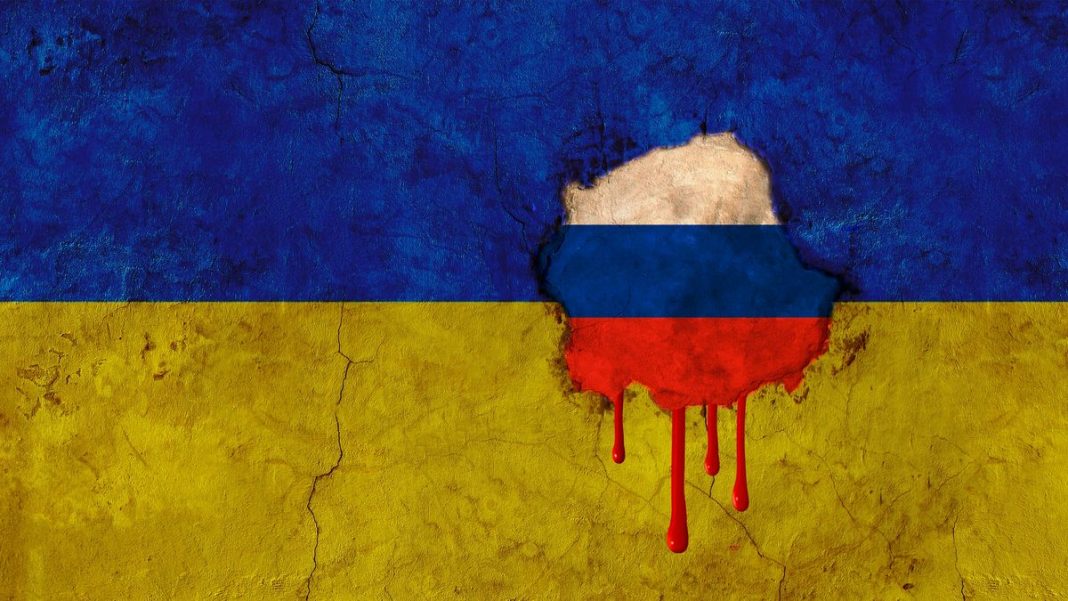

Recent airstrikes between Ukraine and Russia have resulted in numerous casualties and injuries, escalating tensions in the region. As the situation develops, both countries are grappling with the humanitarian and political impacts of the ongoing conflict.
Recent Attacks and Casualties

In the latest wave of airstrikes, several cities in Ukraine have suffered significant damage, with reports indicating numerous civilian casualties. These attacks, concentrated on key infrastructure and populated areas, have left communities devastated and in urgent need of assistance. Ukrainian officials are continuing to assess the full extent of the damage.
The Russian military has claimed responsibility for specific operations, stating they are targeting military installations. However, reports from Ukrainian sources counter these claims, highlighting the extensive damage to civilian structures. The rising casualties have drawn international concern and calls for a cease-fire.
Humanitarian Impact and Response

The humanitarian consequences of the conflict are severe, with thousands displaced from their homes. Aid agencies are mobilizing resources to provide essential services such as food, shelter, and medical care to those affected. However, ongoing hostilities complicate relief efforts, leaving many vulnerable to the elements and lacking basic necessities.
International organizations, including the United Nations, have been actively involved in addressing the humanitarian crisis. These efforts focus on negotiating safe passage for aid convoys and advocating for the protection of civilians in accordance with international law.
International Reactions and Diplomatic Efforts
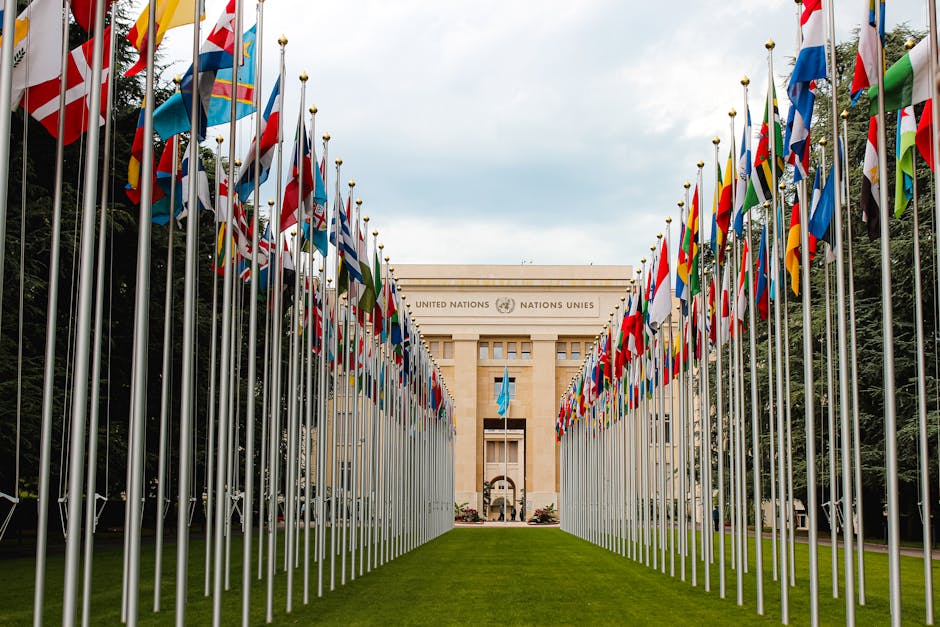
The international community has expressed grave concern over the escalation, with numerous countries urging both sides to engage in diplomatic dialogue. Sanctions have been discussed as a potential measure to pressure Russia into de-escalating the conflict, although opinions vary on their effectiveness.
Diplomatic channels remain active, with ongoing discussions aimed at reaching a peaceful resolution. Key international players are attempting to mediate the conflict, emphasizing the importance of adhering to previously agreed-upon cease-fire terms and respecting sovereign borders.
Implications for Regional Stability

The conflict has broader implications for regional stability, with neighboring countries monitoring the situation closely. There is concern that prolonged hostilities could lead to broader instability in Eastern Europe, affecting economic and security dynamics across the continent.
Efforts to bolster regional security alliances are underway, with countries exploring cooperative measures to prevent spillovers that could impact their own peace and security. This has led to discussions on strengthening defense strategies and increasing collaborative security measures to protect national interests.
The situation remains fluid, and the coming days will be critical in determining the trajectory of the conflict. As both nations navigate this tenuous period, the international community continues to play a vital role in advocating for peace and supporting humanitarian relief efforts.