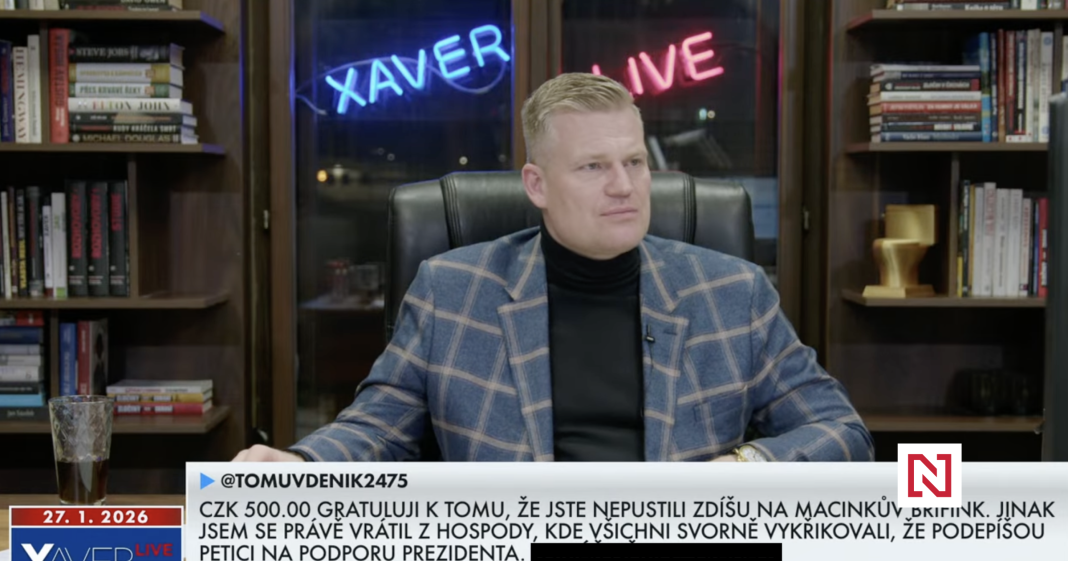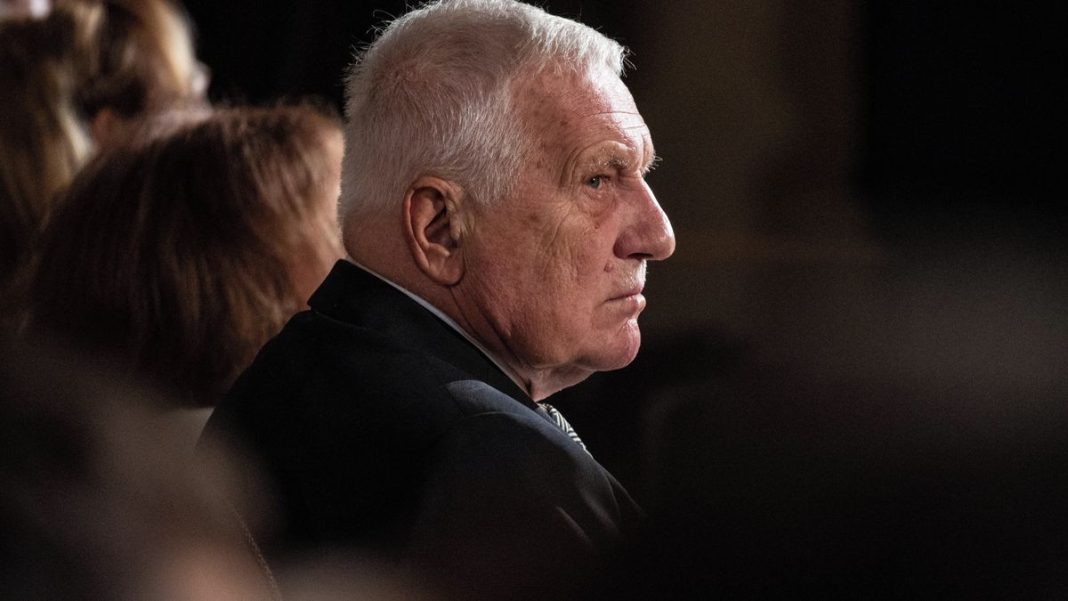

In a significant political exchange, former Czech President Václav Klaus has criticized the actions of Jiří Macinka, highlighting what he perceives as a serious mistake. Meanwhile, Petr Pavel remains engaged in ongoing discussions within security circles, adding another layer to the country’s political dynamics.
Background of the Dispute

Václav Klaus’s critique centers around recent comments made by Jiří Macinka, a prominent figure in Czech politics. Klaus, known for his outspoken views, expressed disappointment over Macinka’s stance in a recent policy debate. The specifics of the disagreement revolve around approaches to national security, an area both have been heavily involved in.
Klaus has long been a defender of stringent national policies, often clashing with more liberal viewpoints. His criticisms of Macinka are indicative of deeper ideological divides within Czech political circles. These tensions shed light on the challenges facing the current and former leaders in navigating the complexities of national interest and personal influence.
Petr Pavel’s Role in Security Networks

While Klaus’s remarks generated headlines, another key figure, Petr Pavel, has been maintaining a low profile, focusing on his roles within security networks. Pavel, a respected former general and NATO official, is currently engaged in advising on security strategies amid regional tensions.
Pavel’s involvement is crucial as Central Europe faces diverse challenges stemming from geopolitical shifts. His expertise aligns with ongoing initiatives aimed at fostering stronger defense collaborations within the European Union and NATO, ensuring Czechia’s readiness in the face of potential threats.
Reactions from Political and Public Spheres

The political community has responded with a mix of support and criticism following Klaus’s statements. Some peers have applauded his transparency and willingness to address controversial issues, while others argue that such public criticisms may hinder unity within the political landscape.
The public’s response is equally varied, with citizens expressing concerns over how these debates impact the country’s international standing. Public trust in leadership can be affected by the perceived discord between influential figures like Klaus and Macinka, making their discourse all the more significant for the general populace.
Potential Implications for Czech Politics

The unfolding situation highlights potential shifts within Czech political alliances. Klaus’s critiques could signify a realignment of influential groups within the government, possibly affecting future legislative priorities and collaborations.
Moreover, as Petr Pavel continues his work within security domains, his strategies may influence broader governmental approaches to international relations and defense policies. This dual dynamic of criticism and strategic focus reflects ongoing transformations in how Czechia navigates both internal and external challenges.
In conclusion, the interplay between Václav Klaus’s vocal criticisms and Petr Pavel’s security engagements underscores the nuanced nature of Czech political discourse. As these developments unfold, they will likely play a critical role in shaping the country’s future political and security landscape.