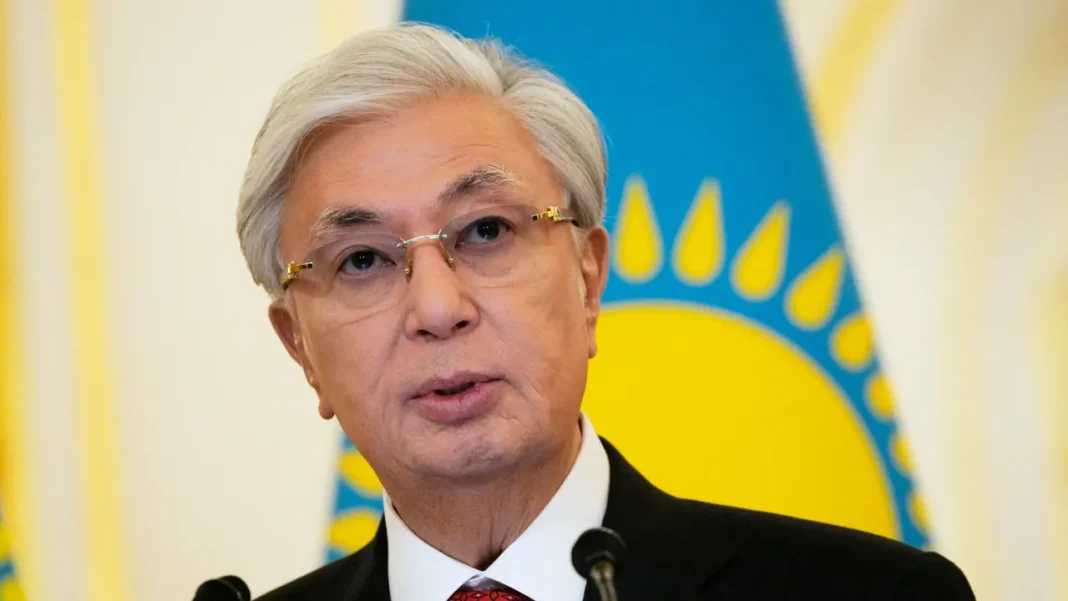

Kazakhstan’s President has recently instigated significant political changes aimed at consolidating power by limiting opposition and abolishing the Senate. These moves have sparked discussions about democracy and governance in the Central Asian nation.
President’s Strategy to Consolidate Power

The President of Kazakhstan has implemented a series of reforms to strengthen his political dominance. By abolishing the Senate, he aims to streamline legislative processes and possibly reduce the influence of dissenting voices. This restructuring is seen as a move towards a more centralized governance model, enabling the President to enact policies with greater ease.
These changes are part of a larger strategy to fortify the presidential system, reminiscent of historical trends in the region where centralized power has often overshadowed democratic initiatives. Critics argue that this could potentially stifle political diversity and debate, raising concerns about the erosion of democratic practices.
Opposition and Public Reaction

The decision to limit the opposition has met with criticism from various political entities and civic organizations. Many argue that a robust opposition is critical for a healthy democracy, ensuring a check and balance system that holds the ruling party accountable.
Public reactions have been mixed, with some segments expressing support due to promises of increased stability and economic growth, while others worry about the diminishing avenues for political participation and freedom of expression.
Implications for Kazakhstan’s Political Landscape

The abolition of the Senate and limiting opposition might lead to significant changes in Kazakhstan’s political ecosystem. Without a bicameral legislature, the dynamics of law-making will shift, potentially resulting in faster policy implementation but with less oversight.
This could pave the way for swift governmental actions, yet it poses the risk of reducing transparency and accountability in governance, crucial elements in a democratic setup.
International Community and Future Prospects

The international community is closely monitoring these developments, with various countries and organizations expressing concern over potential democratic backsliding. These changes could impact Kazakhstan’s foreign relations, particularly with nations advocating for democratic governance.
Moving forward, the President will likely focus on leveraging these reforms to boost economic development and address domestic challenges. However, sustaining long-term stability will require balancing these aims with the preservation of essential democratic principles.
The recent political maneuvers in Kazakhstan signal a significant shift in governance strategies. Whether these changes will yield the desired stability and growth remains to be seen, as they continue to evoke debates on the future of democracy in the region.