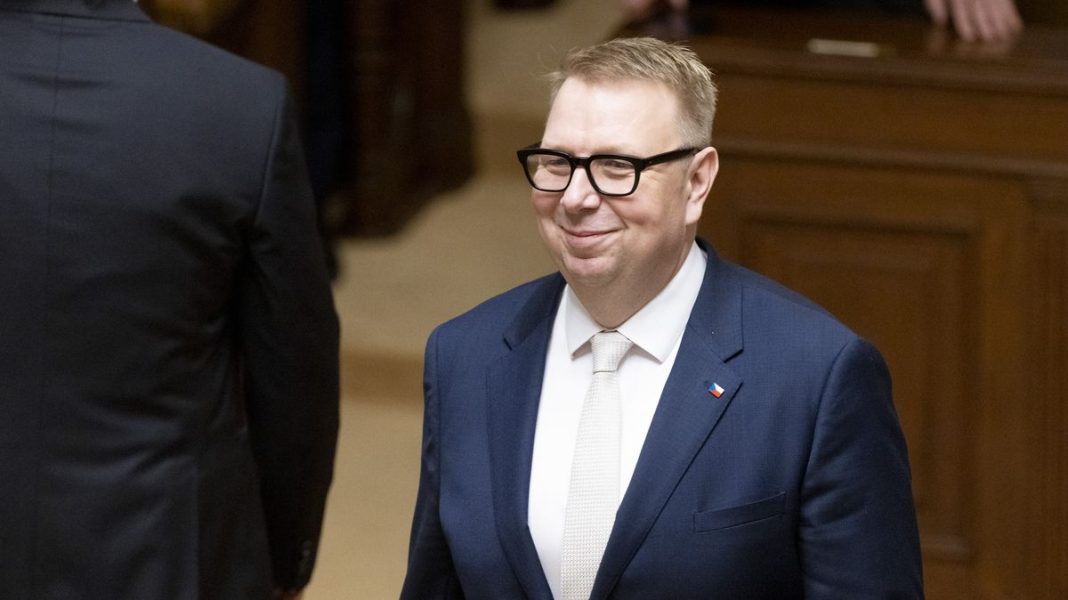

The Czech Republic is set to undergo significant changes in its pension system as Finance Minister Juchelka proposes a reform to set the retirement age at 65. This adjustment is planned to take effect in two years, aiming to enhance the sustainability of the country’s pension scheme.
The Need for Reform
The proposed pension reform comes in response to demographic shifts and economic pressures facing the Czech Republic. With an increasingly aging population, the current system is under strain as it struggles to provide adequate support for retirees while balancing the national budget. Juchelka argues that raising the retirement age is essential to ensure the long-term viability of pensions.
Analysts have pointed out that similar adjustments have been implemented across Europe to address rising life expectancies and declining birth rates. By aligning the retirement age with these trends, the Czech government aims to create a more sustainable financial framework for future generations.
Public Reaction and Debates
The proposal has sparked a wide-ranging public debate. Supporters argue that the reform is necessary to prevent future deficits in the pension system, which could lead to significant social and economic consequences. They believe that gradual implementation will allow individuals to plan accordingly for their retirement.
However, critics raise concerns about the impact on those in physically demanding jobs, who may find it challenging to continue working until the age of 65. Labor unions and some political parties are calling for exemptions or additional support for these workers to offset potential hardships caused by the reform.
Potential Economic Implications
The reform is expected to influence the Czech economy in multiple ways. An increase in the retirement age could potentially boost the labor force, leading to higher productivity and economic growth. By retaining experienced workers, businesses may benefit from enhanced knowledge and skills retention, contributing to overall competitiveness.
On the fiscal side, a later retirement age may reduce government spending on pensions, providing more funds for public investments and services. This shift could also positively impact the state budget by lowering dependency ratios and increasing tax revenues from extended employment.
Implementation Plan
The Czech government, led by Juchelka, has outlined a phased plan for the reform’s implementation. This approach is designed to provide ample time for adaptation and to minimize disruptions within the labor market. Authorities are also considering supplementary measures, such as retraining programs for older workers, to ease the transition.
Public consultations are ongoing, with the government seeking input from various stakeholders, including employers, labor representatives, and the broader community. These discussions aim to fine-tune the reform to address specific sectoral needs and enhance its acceptance across society.
As the plan progresses, the Czech Republic will closely monitor its effects to ensure the pension system remains robust and fair for all citizens.
Source: Official Czech Republic Government website.