
The Jihlava Gang case has recently drawn attention not only for its complexities but also due to a prosecutor’s controversial interview with a journalist. This development has sparked debates on professional ethics and legal protocol.
Background of the Jihlava Gang Case

The Jihlava Gang case revolves around a group accused of various criminal activities in the Jihlava region. The alleged crimes range from extortion and fraud to organized theft, painting a picture of a sophisticated criminal network operating in the area. Law enforcement has been working tirelessly to dismantle this group, bringing those responsible to justice.
Earlier investigations highlighted significant challenges in gathering evidence and ensuring witness safety. This case has been under intense scrutiny, both from the public and media, especially given its potential implications on community safety and governance.
The Controversial Interview

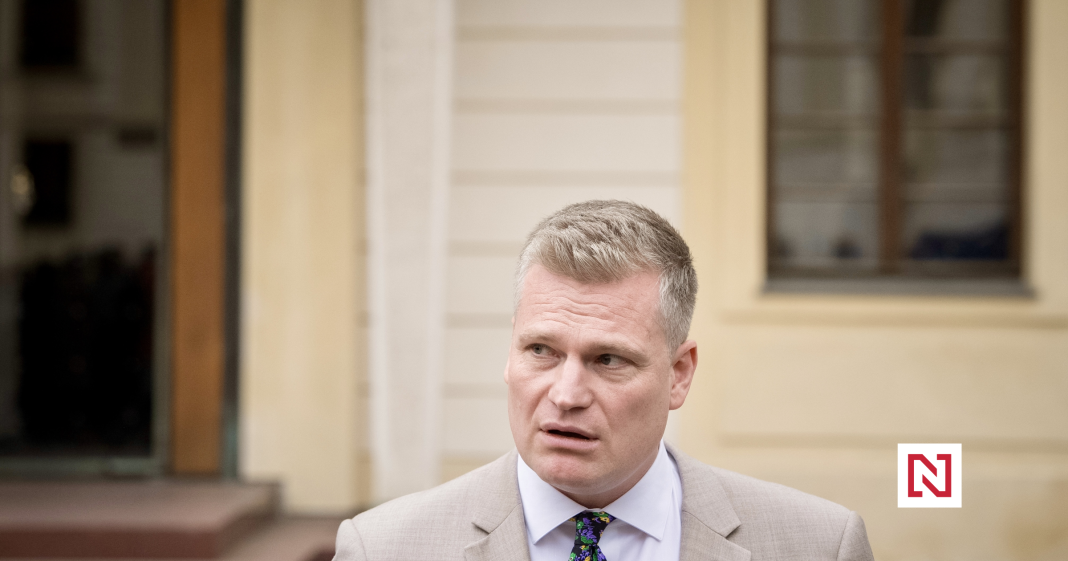
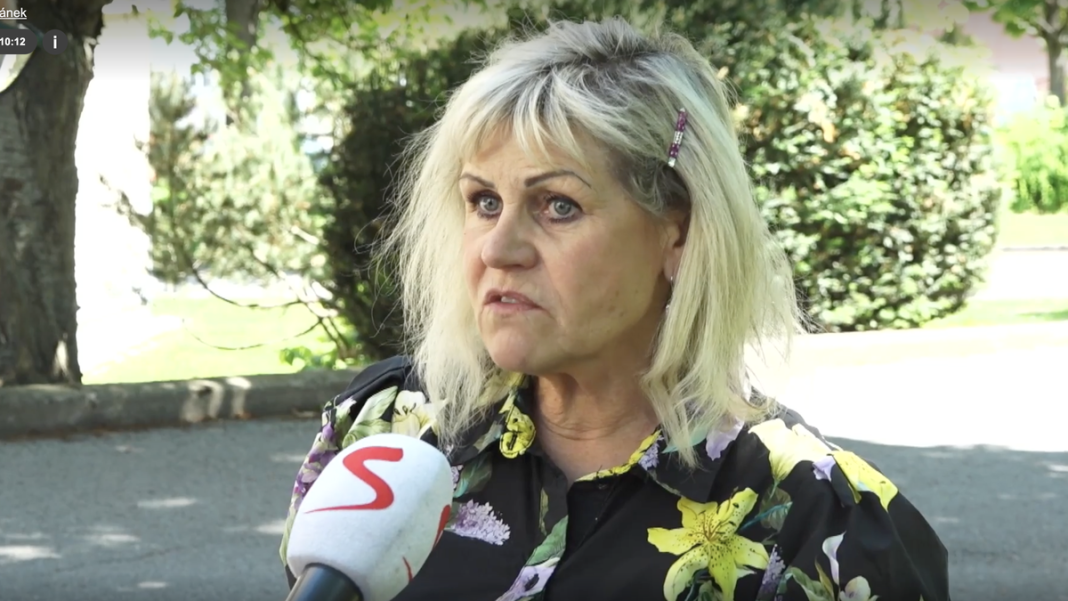
Recently, a prosecutor involved in the case came under fire for participating in an interview with a local journalist. Critics argue that the interview could compromise the integrity of ongoing legal proceedings. The prosecutor shared insights that some believe should have remained confidential, including details that might influence public perception.
The decision to participate in the interview has sparked a debate about media engagement and the responsibilities of legal professionals. While transparency is crucial, many argue that it should not come at the expense of a fair trial or the safety of involved parties.
Reactions from the Legal Community

The legal community’s response has been mixed. Some support the prosecutor’s engagement with the media, emphasizing the importance of public awareness. Others stress the need for caution, pointing out that premature disclosure of information can be detrimental to justice.
Legal experts have called for clearer guidelines on how prosecutors should interact with the media during active investigations. The balance between transparency and confidentiality remains a prevailing concern.
Implications for Media and Judiciary Relations

This incident underscores the delicate relationship between media and the judiciary. While journalism plays a crucial role in informing the public, its intersection with legal processes requires careful navigation to maintain judicial integrity and public trust.
The case serves as a reminder of the responsibilities shared by both journalists and legal professionals in preserving the fairness and impartiality of the justice system. Moving forward, it may prompt discussions on establishing better protocols for media interactions.
As the Jihlava Gang case progresses, attention will remain on how its judicial proceedings unfold, especially in light of recent controversies. The outcome could set a precedent for future cases in terms of media and legal interactions.