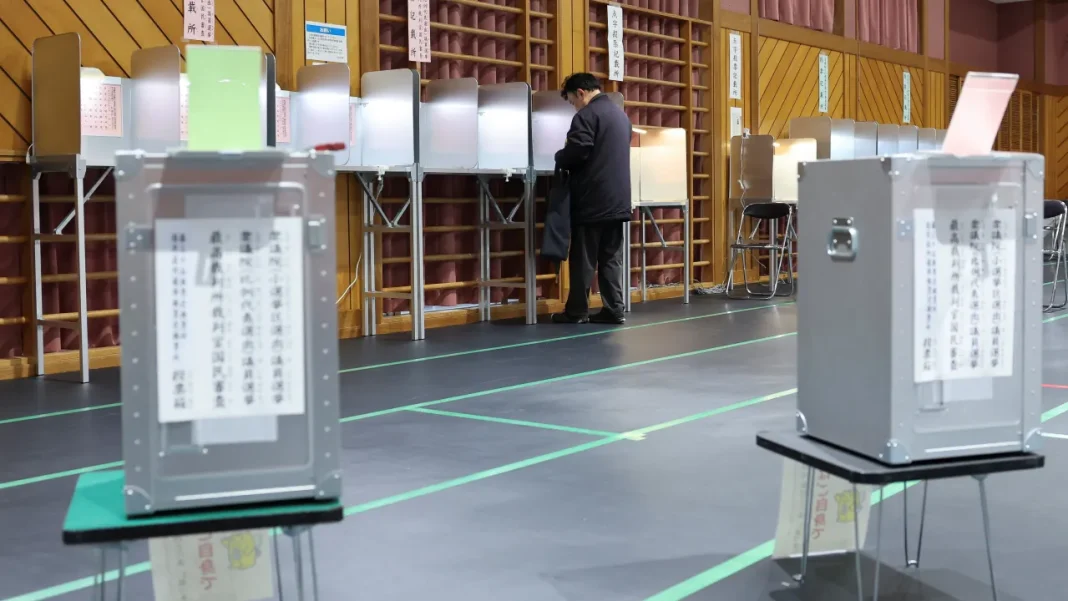

Japan has officially commenced its early elections in 2023, marking a significant moment in the nation’s political landscape. These elections are expected to impact Japan’s domestic and international policies significantly.
Key Issues Driving the Elections
The 2023 elections in Japan are primarily driven by pressing economic challenges and the ongoing recovery from the COVID-19 pandemic. Voters are particularly concerned about inflation, employment rates, and economic stability. The government has made promises to enhance economic policies to ensure a robust post-pandemic recovery.
Another critical issue is Japan’s energy strategy, highlighted by debates over nuclear energy use amidst rising global energy prices. Candidates are voicing varied stances, with some advocating for renewable energy investments, while others support expanding nuclear energy capacities to ensure energy security.
Impact of Regional Dynamics

Japan’s position in the Asia-Pacific region remains a focal point during this election. Security concerns regarding North Korea’s missile tests and China’s increasing influence are pressing topics. The government’s approach to diplomatic relations and defense strategies is under scrutiny, influencing voters’ decisions significantly.
Additionally, Japan’s role in international trade agreements and economic partnerships is a central theme. Candidates are proposing various strategies to enhance Japan’s global trade influence and partnerships, seeking to boost the country’s export-driven economy.
Participation and Voter Engagement

Voter turnout remains a critical factor in these early elections. Efforts to increase participation include modernizing voting methods and enhancing accessibility for remote populations. These measures aim to involve younger demographics, who show increased interest in political participation.
Additionally, social media platforms and digital campaigns are playing vital roles in reaching a broader audience. Political parties are actively engaging with voters through these channels to address their concerns directly, hoping to secure a wider support base.
Possible Outcomes and Implications

The results of these elections could lead to significant policy shifts, particularly in economic and foreign policies. Analysts predict that a change in leadership might bring new opportunities for reforms and innovative strategies on domestic issues.
Conversely, maintaining the status quo might lead to continuity in current policies, offering stability in ongoing projects and international relations. However, this could also potentially hinder progress in areas requiring urgent reforms.
The early elections in Japan hold substantial importance, with outcomes poised to influence the country’s trajectory for years to come. As the world watches closely, the implications of these elections will resonate beyond Japan’s borders, affecting regional and global dynamics.