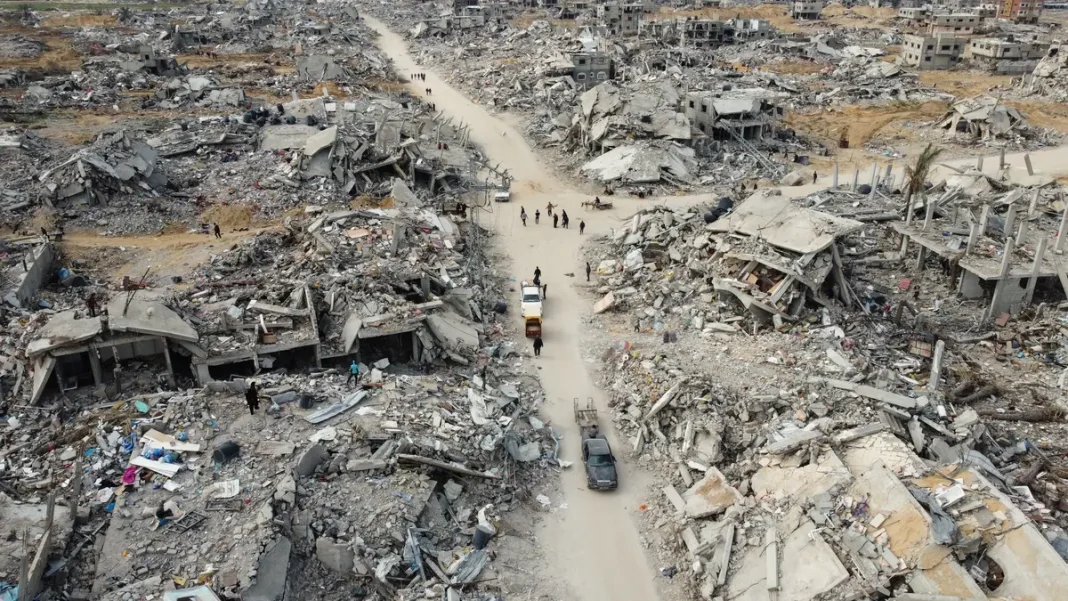

Israel has reopened the Rafah crossing, a significant humanitarian corridor, following the recovery of a hostage’s body. This decision marks a pivotal moment in ongoing diplomatic efforts and humanitarian concerns in the region.
The Importance of the Rafah Crossing

The Rafah crossing, situated between Egypt and the Gaza Strip, has long been a crucial gateway for humanitarian aid and individuals seeking refuge or medical assistance. Opening and closing the crossing can significantly influence the humanitarian situation in Gaza, affecting thousands of lives. The recent reopening demonstrates a cooperative step, aiming to alleviate tensions and support humanitarian needs amidst complex regional challenges.
For years, the crossing’s operation has been subject to political and security conditions. Its accessibility is crucial for Gazans, providing a link to the outside world when other borders are restricted. The reopening follows extensive negotiations and highlights the importance of international diplomacy in managing regional stability.
The Diplomatic Pathway Forward

The decision to reopen the Rafah crossing comes after prolonged diplomatic discussions. International players, including Egypt and the United States, have frequently been involved in negotiating its accessibility. These talks often center around ensuring security while simultaneously addressing humanitarian necessities.
While the specific circumstances leading to this reopening involve a tragic event, it’s crucial to acknowledge the broader diplomatic landscape where compromise and dialogue are often the only paths forward. The crossing’s operational status often reflects a delicate balance between security measures and humanitarian imperatives.
Regional Reactions and Implications

Regional reactions to the reopening have been cautiously optimistic. Humanitarian organizations have welcomed the move, emphasizing its importance for delivering much-needed aid and services. Uninterrupted access is crucial for managing health crises and delivering essential supplies to the affected populations in Gaza.
However, local and international stakeholders remain vigilant. The underlying tensions in the region suggest that while the reopening is positive, it lays bare the ongoing need for sustainable solutions and stable political agreements that consider all affected parties.
The Humanitarian Aspect
The humanitarian impact of the crossing’s reopening cannot be overstated. For residents of Gaza, the ability to access necessary resources and medical care has profound implications for daily life and overall well-being. Humanitarian agencies often emphasize the importance of maintaining consistent access to prevent crises and support developmental goals in the region.
Continuous operation of the crossing facilitates not only immediate relief but also reinforces efforts toward long-term resilience. In a region as volatile as the Israeli-Gaza border, every move, such as the reopening of Rafah, serves multiple purposes: providing aid, showing diplomatic progress, and potentially laying groundwork for future peacemaking endeavors.
In conclusion, Israel’s reopening of the Rafah crossing marks a significant development, blending humanitarian urgency with diplomatic foresight. As stakeholders navigate the complexities of the region, the priority remains clear: ensuring safety and solidarity in the pursuit of peace.
Source: Official Egyptian Ministry of Foreign Affairs website.