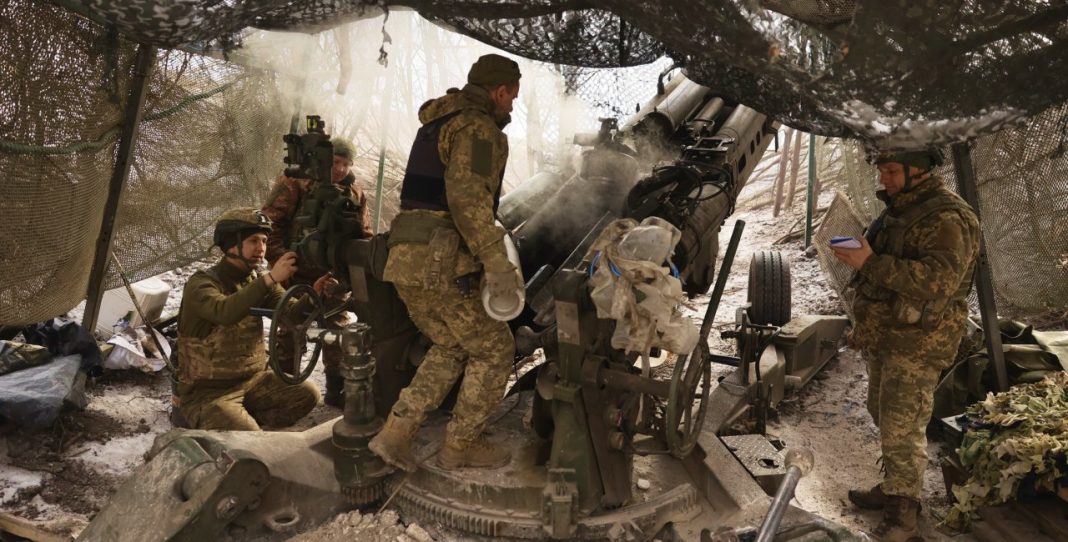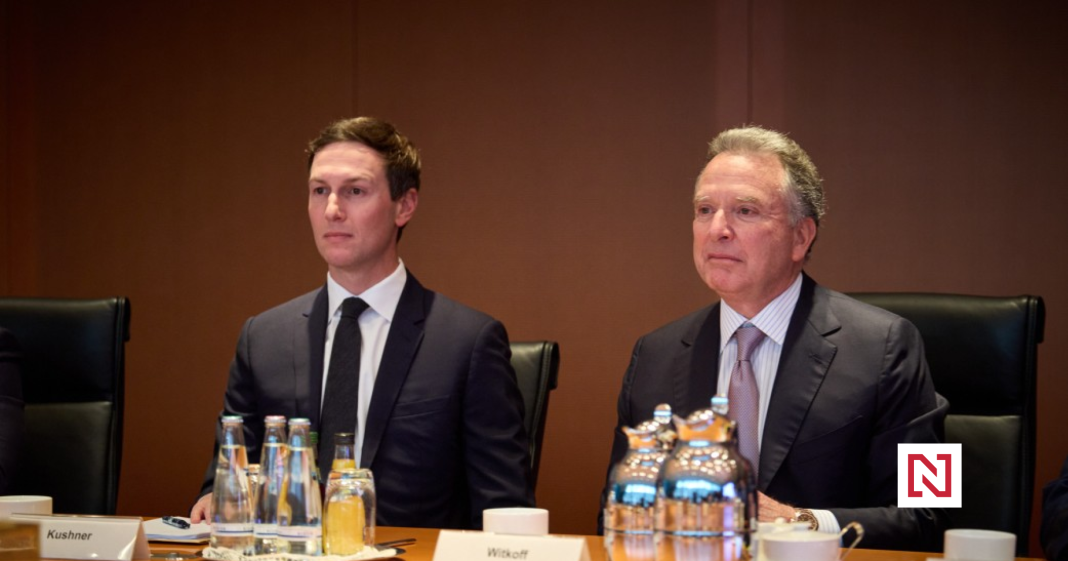

The ongoing geopolitical dynamics between the United States and Russia have seen constant developments, raising questions about the stability of Trump’s proposed peace strategies. Recent evaluations by US intelligence suggest that Russian President Vladimir Putin’s intentions have not shifted, maintaining the global community’s concern over potential escalating tensions.
Analyzing Trump’s Peace Plan

Former President Donald Trump had laid out a peace plan during his tenure that aimed at fostering improved relations with various global powers, including Russia. The core of this plan centered around diplomatic engagement and strategic agreements, which some experts believed could de-escalate tensions in Eastern Europe. However, there have been increasing signs that this plan might be losing traction, especially if key players like Russia are not on board with the proposed changes.
The initial vision for this peace plan was to address long-standing geopolitical disputes, leveraging economic partnerships and dialogues to establish a more stable international order. However, recent statements from US intelligence officials suggest that the foundational goals may not have been achieved as anticipated, with Putin appearing steadfast in his original geopolitical objectives.
Putin’s Unchanged Objectives

High-level US intelligence sources have reported that Putin’s objectives in the international arena remain largely unaltered. Despite fluctuating diplomatic relations and various sanctions imposed by Western powers, Russia continues to assert its presence in critical areas such as Ukraine and Syria. These actions indicate a consistent pursuit of strategic territorial and political influence.
This steadfast approach by Putin raises critical questions about the effectiveness of diplomatic efforts, including those initiated under Trump’s administration, to influence or redirect Russia’s long-term strategies. Analysts believe that understanding these unwavering objectives is essential for developing future diplomatic policies.
Implications for US-Russia Relations

The persistence of Putin’s goals brings significant implications for the bilateral relations between the United States and Russia. Historically, these relations have experienced multiple phases of tension and cooperation, significantly impacting global stability. The current scenario continues to be defined by strategic rivalry, impacting various global security aspects, including cyber operations and military expansions.
The inability to alter Putin’s objectives might necessitate a shift in US diplomatic strategies, potentially moving from engagement to containment. Such a shift could reshape not only US foreign policy but also the broader geopolitical landscape, affecting alliances and regional dynamics.
Future Prospects and Strategies

As the US reassesses its approach towards Russia, a pivotal question remains as to how emerging challenges will be addressed. The global community is closely watching whether new diplomatic initiatives will be effective in engaging Russia in constructive dialogues or if more robust measures, such as increased sanctions or military deterrents, will be applied.
Moving forward, it will be crucial for US policymakers to balance assertive actions with diplomatic outreach to mitigate the risks of heightened conflicts. Effective strategies may require leveraging alliances and engaging in multilateral discussions to ensure collective security and stability.
In conclusion, while Trump’s peace plan attempted to create new pathways for diplomacy, the steadfast nature of Putin’s goals suggests that significant challenges remain. Continued efforts in diplomatic innovation and strategic adjustments will be vital for maintaining a balanced international order.
Source: Official US Intelligence community reports.