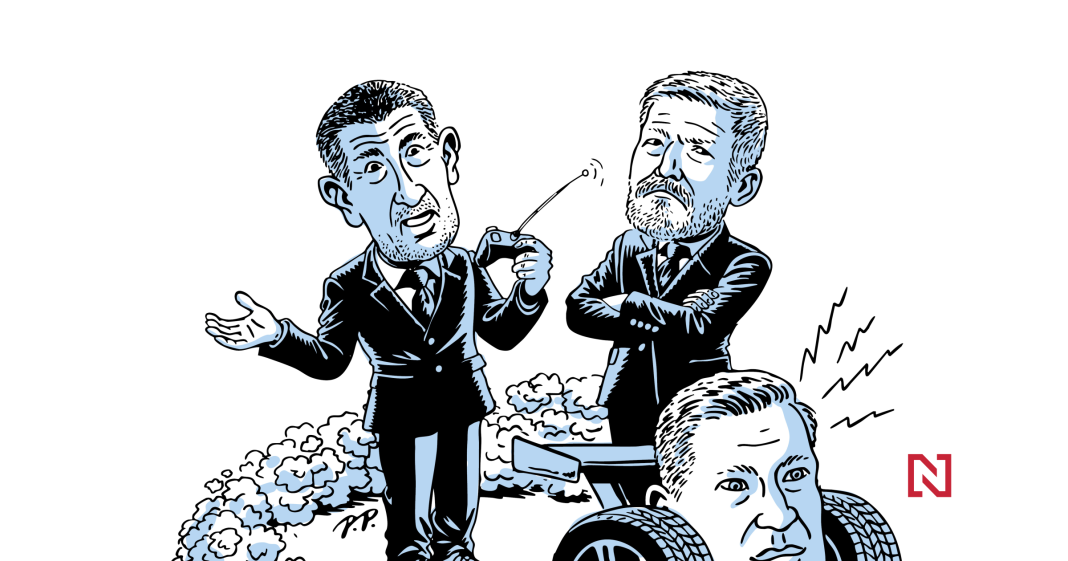

A potential clash looms between motorists in Czechia and President Petr Pavel as drivers gear up to express their grievances over recent policies. This brewing confrontation highlights significant discontent among transportation stakeholders, hinting at a possible public movement against presidential initiatives.
Motorists’ Grievances

The discontent among Czech motorists arises primarily from recent policies that they believe negatively impact their daily commutes and vehicle operations. Measures aimed at reducing carbon emissions, while essential for combating climate change, have faced criticism from drivers who argue that these initiatives unfairly target private vehicle owners. High fuel prices and proposed road taxes are among the major issues fueling this unrest.
Earlier reforms intended to promote public transportation and environmentally friendly travel have been perceived as restrictive by many motorists. The imposition of stricter vehicle emissions tests and the planned increment of road usage fees are seen as burdensome, with many arguing that these changes disproportionately affect those in rural areas without adequate public transport infrastructure.
The Role of President Petr Pavel
President Petr Pavel has maintained a strong stance on advancing environmental policies as part of his administration’s broader agenda to address climate change. Known for advocating sustainable practices, Pavel has supported the introduction of stricter emissions regulations and the development of alternative energy sources. His administration views these measures as critical to meeting international environmental commitments.
However, his approach has sparked discontent among certain segments of the population, especially traditional motorists who feel sidelined. Although the government has attempted to offer incentives for electric vehicle purchases and improve public transit, these efforts have not fully alleviated concerns for those dependent on petrol-driven vehicles.
Plans for Action

In response to these policies, a coalition of motorists and advocacy groups are planning organized protests and campaigns to voice their dissent. This movement aims to pressure the government into reconsidering the scale and speed of its environmental initiatives, urging for a more balanced approach that considers the financial impact on everyday commuters.
The potential protests could lead to significant disruptions, reminiscent of previous movements against fuel taxes across Europe. Organizers are calling for public support and intend to engage in dialogue with policy makers to address their grievances directly.
Potential Outcomes and Responses

The outcome of this potential clash remains uncertain, with both sides preparing for continued discussions. If the government opts for concessions, it may involve re-evaluating the timeline for certain regulations or increasing support for those transitioning to alternative energy vehicles.
Conversely, a lack of compromise could intensify public demonstrations and further polarize opinions on environmental policies. President Pavel and his administration face the challenge of balancing sustainable goals with the immediate concerns of their constituents.
As this situation unfolds, the eyes of the nation remain fixed on this escalating conflict between motorists and political leaders, which could serve as a precedent for addressing similar issues in the future.
Source: Official Czech Government website.