

As global labor markets become increasingly interconnected, the influence of international workers on the Czech economy has emerged as a significant topic. Recent insights from the Czech government shed light on the multifaceted impacts these workers have on the nation’s economic landscape.
Economic Contributions of International Workers
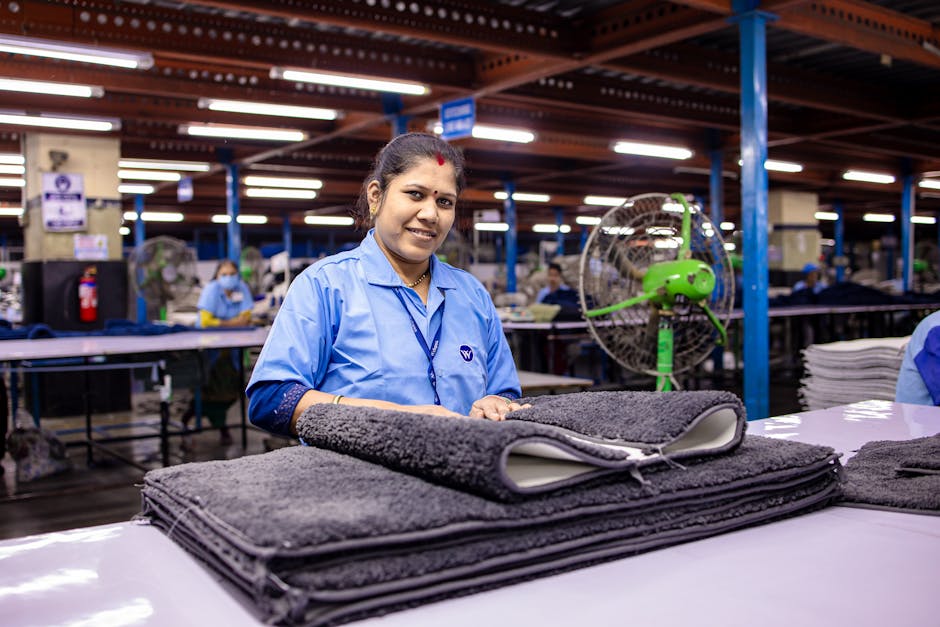
The Czech Republic has seen a notable rise in the number of international workers, who play a crucial role in filling labor shortages in various industries. Sectors such as manufacturing, technology, and healthcare have benefitted greatly from an influx of skilled foreign professionals. These workers contribute not only through their expertise but also by supporting consumer spending, which stimulates economic growth.
According to government reports, international workers have been instrumental in maintaining the competitiveness of Czech industries on a global scale. Their presence enables companies to meet international standards and fulfill growing demands, thereby boosting the nation’s export economy. The government has highlighted these contributions as essential for maintaining a robust and dynamic economic environment.
Challenges and Adaptations

Despite their contributions, the integration of international workers into the Czech workforce is not without its challenges. Language barriers, cultural differences, and regulatory hurdles present significant obstacles for both employers and employees. The government has acknowledged these issues and initiated programs to ease the integration process, such as language courses and cultural orientation sessions.
Additionally, there are ongoing debates about policy reforms to streamline immigration processes and work permit regulations. Ensuring a balanced approach that benefits both the local workforce and international workers remains a priority for the authorities.
Impact on the Local Workforce

The arrival of international workers has had mixed impacts on the local workforce. While some argue that foreign professionals take opportunities away from local workers, others assert that their presence creates new job prospects by fostering business expansion. The Czech government has been proactive in addressing these concerns by implementing measures to enhance vocational training and education for local citizens.
These efforts aim to equip the local workforce with the skills necessary to thrive in a competitive market environment, ultimately fostering a collaborative setting where both local and international workers can flourish.
Looking Forward: Future Prospects

The future of international workers in the Czech Republic looks promising, with the government expressing a commitment to creating an inclusive labor market. By enhancing support systems and furthering integration initiatives, the aim is to maximize the potential of international workers while safeguarding the interests of local employees.
As the Czech Republic continues to attract global talent, the focus will remain on creating a balanced, sustainable economic model that leverages the strengths of a diverse workforce. Ongoing collaboration between the government, industry leaders, and educational institutions is essential to achieving these goals.
In conclusion, international workers are an integral component of the Czech Republic’s economic framework, contributing to its growth and adaptability. With continued attention to their integration and impact, they are poised to play a pivotal role in shaping the country’s future.
Source: Official Czech Government website.