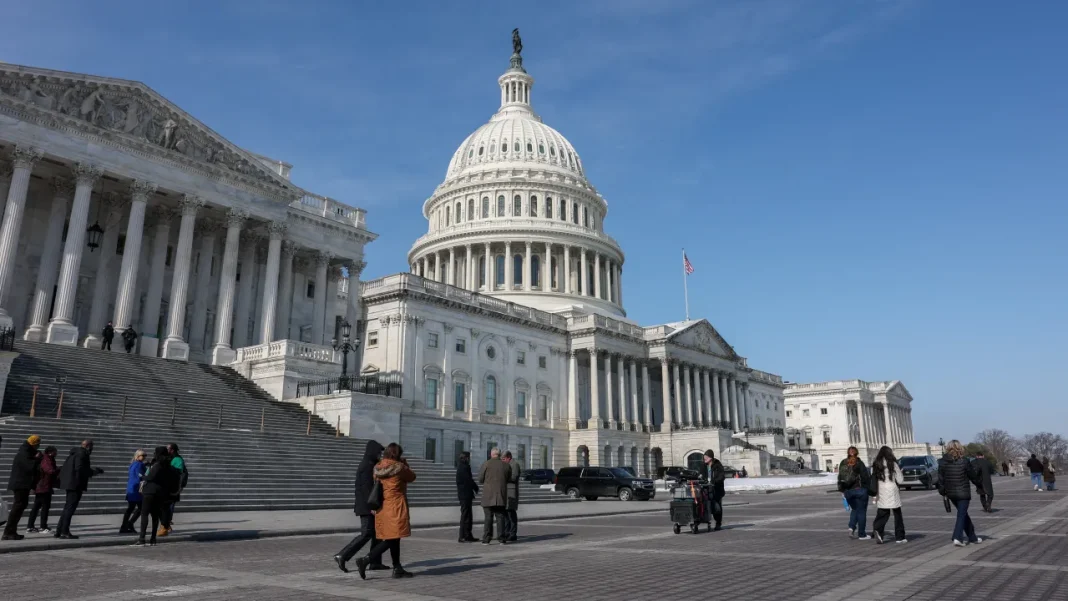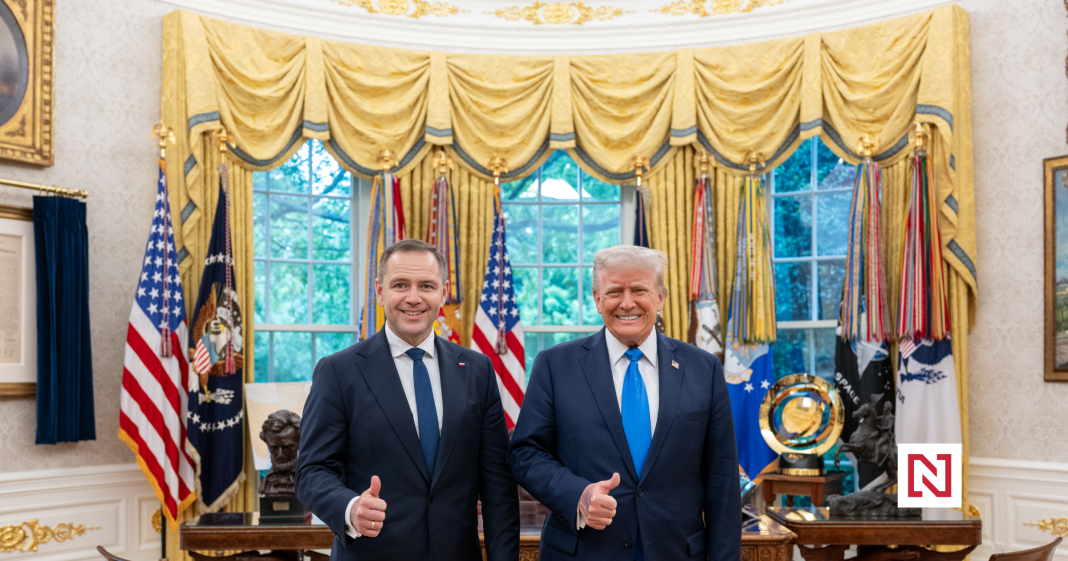

The political landscape in Poland is undergoing significant changes, influenced by various external actors. One of the most notable influences is the political style and strategy emanating from Trump’s America, impacting Polish politics and fostering a resurgence of the opposition.
The Rise of Populism in Poland

Poland has witnessed the growing influence of populist strategies reminiscent of those employed by former U.S. President Donald Trump. These tactics include a strong emphasis on national sovereignty, skepticism towards traditional media outlets, and a robust focus on nationalist rhetoric. This alignment with Trump’s populism has provided the current ruling party, Law and Justice (PiS), with a framework that resonates with a portion of the Polish electorate concerned about security, immigration, and cultural identity.
The adoption of these strategies has also sparked controversy and prompted significant political discourse within the country. Critics argue that these approaches have heightened social tensions and undermined democratic institutions, creating fertile ground for the opposition to rally support by advocating for democratic norms and civil liberties.
Strengthening the Opposition
The influence of Trump’s America has not been limited to the ruling party. It has effectively galvanized the opposition, primarily led by the Civic Platform party, to reassess and rejuvenate their political strategies. Learning from the dynamic political environment in the United States, the Polish opposition has begun to employ more direct, emotionally resonant messaging.
By offering an alternative vision that emphasizes democratic values, inclusivity, and a pro-European Union stance, the opposition has attracted disillusioned voters who are eager for change. The opposition’s increasing use of social media and grassroots campaigns mirrors the successful tactics seen across the Atlantic, appealing to younger, urban demographics.
U.S.-Poland Relations and Policy Impacts

Trump’s presidency rejuvenated the U.S.-Poland relationship through initiatives such as increased military cooperation and energy diversification. These policy areas have inadvertently influenced Polish domestic politics by bolstering national pride and framing political debates around sovereignty and defense.
This robust bilateral relationship has strengthened the incumbent government’s position, yet it has also emphasized the importance of international alliances and partnerships. The opposition has criticized this narrow focus, advocating for a broader approach that includes closer ties with European partners and a balanced foreign policy.
Challenges and Opportunities Ahead

As Poland approaches its next presidential election, the impact of international influences such as Trump-era policies will remain a critical factor. The ruling party’s alignment with populist ideals may continue to galvanize its base, yet it also presents significant challenges as it seeks to maintain electoral dominance in the face of a revitalized opposition.
The coming years will be pivotal in determining whether the opposition can capitalize on these influences to secure a return to power. Their success will largely depend on their ability to resonate with the electorate’s desire for stability and progress, while effectively countering the ruling party’s populist agenda.
The current political dynamics in Poland highlight a complex interplay of domestic and international influences. As Trump’s America continues to shape Polish politics, the opposition’s strategic adaptations may well signal a transformative period in the country’s political landscape.
Source: Official Civic Platform website.