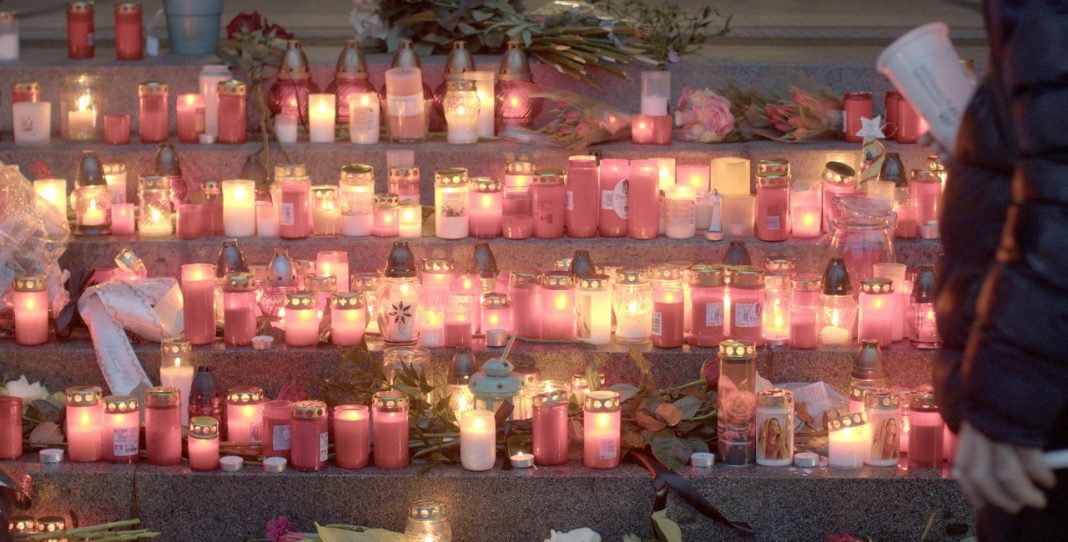

In the wake of the tragic shooting in Uherský Brod in 2015, where a gunman claimed multiple lives, Czechia faced widespread calls for reform in its gun regulations. The incident marked the country’s deadliest mass shooting and sparked a national debate around weapon ownership and public safety.
Immediate Reactions and Calls for Change

The shooting at a restaurant in Uherský Brod shocked the nation and drew immediate political attention. In its aftermath, there was a surge in public demand for stricter gun laws. Many citizens and advocacy groups pushed for a reevaluation of the criteria for gun ownership, urging the government to consider more robust background checks and psychological evaluations for gun license applicants.
The tragedy also highlighted potential gaps in the current system, with concerns about how a person with a firearm license could commit such an act without prior red flags. This prompted discussions on enhancing the monitoring mechanisms for gun owners.
Legislative Responses and Amendments

In response to the tragedy, the Czech government took concrete steps to amend its gun laws. One of the significant changes was the revision of the Firearms Act to include stricter requirements for obtaining and renewing gun licenses. This involved more comprehensive mental health assessments and increased frequency of background checks to ensure continued suitability for license holders.
The government also worked to improve communication between different law enforcement agencies to ensure better tracking of gun ownership records, aiming to prevent guns from falling into the hands of unsuitable individuals.
Public and Political Reactions

The legislative changes received mixed reactions from the public. While many welcomed the stricter regulations as a necessary step towards enhancing public safety, some gun enthusiasts and political figures argued that these measures infringed on personal freedoms and the right to self-defense. This led to vibrant debates in media and public forums, reflecting the tension between safety and freedom.
Politically, the tragedy and subsequent legislative changes had a significant impact. Some political parties used the incident to campaign for tighter European Union-wide gun controls, aligning Czech policies with broader EU directives.
Current State of Gun Laws in Czechia
Since the Uherský Brod incident, Czechia’s gun laws have continued to evolve. Today, the country balances relatively liberal gun ownership laws compared to many European nations with the need for stringent checks and balances to ensure public safety.
The reforms have been cited as a model in some European contexts, demonstrating a proactive approach to preventing gun violence while respecting legal gun ownership. However, stakeholders continue to monitor and debate the effectiveness of these laws.
The ongoing discourse around Czech gun laws highlights the delicate balance between regulating firearms and respecting citizens’ rights. The changes post-Uherský Brod reflect a society seeking to learn from tragedy and prioritize safety without compromising freedoms unjustly.