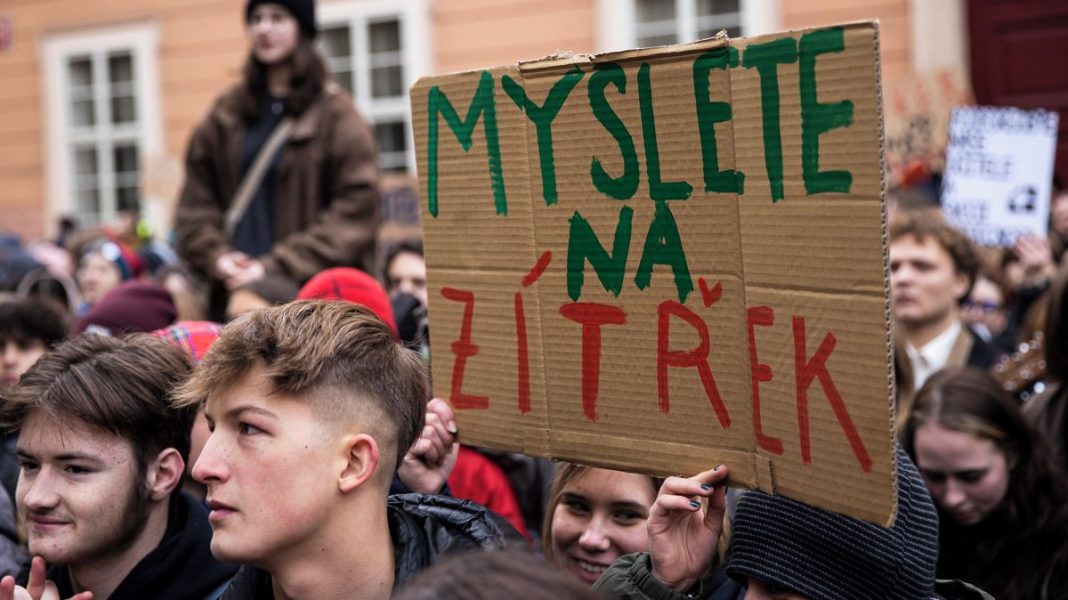

In a significant update to the education sector, high school entrance exams are set to return, as attempts to reform the current system have come to a standstill. This decision has sparked discussions among educators, parents, and policymakers about the implications for students across the country.
Background and Context

The return of high school entrance exams marks a pivotal moment in the Czech education system. Originally paused in light of ongoing debates regarding their fairness and effectiveness, these exams are once again at the forefront of academic pathways. The decision to reinstate them was driven by a lack of consensus on alternative assessment methods, leaving stakeholders divided on the potential impact.
Historically, the exams have served as a gateway for students seeking entry into the country’s top secondary schools. However, concerns over the exams’ rigorous nature and potential for exacerbating educational inequality have fueled continuous debate. With the reform process stalling, policymakers have defaulted to the established testing system, which they claim offers a standardized measure of student capability.
Implications for Students

For students, the return of entrance exams means a shift in focus towards test preparation, which could have significant implications for their education and stress levels. Many educators argue that these exams place undue pressure on young learners, potentially overshadowing holistic learning and personal growth. The preparation often involves additional tutoring and coursework that may not be accessible to all students, further widening the education gap.
On the other hand, proponents of the exams argue they provide a fair metric of student achievement and readiness for high school education. They believe that standardized testing maintains a level of academic rigor necessary for evaluating students impartially. However, the challenge remains in balancing fairness with the need to address diverse learning needs and backgrounds.
Reactions from the Education Sector

The decision has been met with mixed reactions from educational institutions and teachers. Some schools are welcoming the return of exams, viewing them as an opportunity to streamline student selection processes. They argue that exams can ensure that students who are accepted are adequately prepared for demanding academic curricula.
Conversely, a segment of educators and school administrators continues to advocate for reform, emphasizing the need for more comprehensive evaluation methods that go beyond exams. They propose alternatives such as portfolio assessments and personalized learning evaluations that consider a broader spectrum of student skills and competencies.
Future Prospects for Reform

While the immediate future sees the return of entrance exams, the long-term outlook for education reform remains uncertain. Policymakers are under pressure to develop solutions that align with modern educational philosophies while adhering to practical constraints. Efforts are being made to create an inclusive dialogue among stakeholders to revisit reform proposals that can balance academic integrity with educational accessibility.
Key reform advocates remain committed to their cause, continuing to push for changes that reflect 21st-century educational needs. The future of entrance exams, therefore, hinges on ongoing discussions and the willingness of the education sector to innovate and adapt.
In conclusion, the return of high school entrance exams highlights the complexities of balancing tradition with innovation in education. As discussions continue, the focus remains on creating a fair and effective system that serves the diverse needs of students in Czechia.