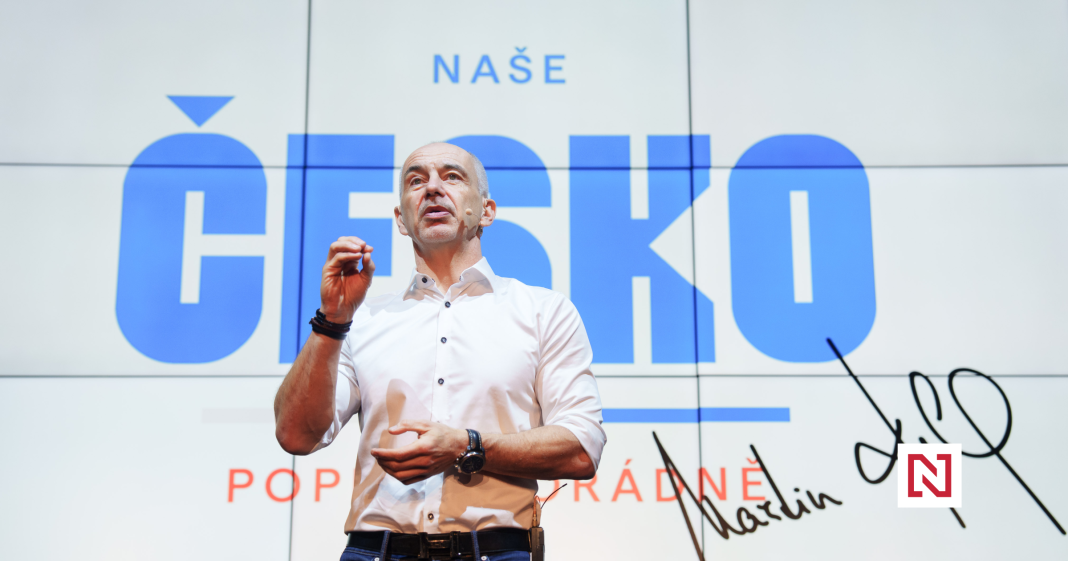

In an unexpected turn of events, Governor Kuba’s new political movement has rapidly gained traction in the ongoing struggle to address motorists’ concerns in the Czech Republic. The governor’s initiative is reshaping the conversation around transportation policies and the rights of drivers.
Expansion of the New Movement

Governor Kuba, a prominent figure in Czech politics, has introduced a movement aimed at advocating for fair treatment and rights of motorists. This initiative emerged in response to growing dissatisfaction among drivers regarding road conditions, traffic regulations, and fuel prices. The movement seeks to address these issues by promoting policies that align with drivers’ needs.
Since its launch, the movement has seen significant support from various segments of the population, particularly those in rural areas where public transportation is less accessible. The widespread frustration over neglected infrastructure has fueled the movement’s rapid growth, highlighting the urgency for decisive action.
Impact on Transportation Policy

The emergence of this movement has sparked a broader discussion on transportation policy in the Czech Republic. Governor Kuba’s proposals include infrastructure improvements, transparent allocation of funds for road maintenance, and better regulation of fuel prices. Such measures aim to enhance the driving experience and ensure safer, more efficient travel.
Furthermore, the movement demands greater accountability from governmental bodies, pushing for reforms that prioritize the interests and safety of motorists. As debates continue, stakeholders from various sectors are compelled to reevaluate current policies and explore innovative solutions.
Challenges and Criticism

Despite its initial success, Governor Kuba’s movement faces criticism from environmental groups and public transportation advocates. Critics argue that the focus on motorists’ rights could overshadow efforts to promote sustainable transportation alternatives and reduce carbon emissions.
This ongoing conflict presents a significant challenge for the movement as it seeks to balance the needs of drivers with broader environmental goals. Negotiations and discussions are essential to finding a middle ground that satisfies all parties involved.
Future Prospects

The future of Governor Kuba’s movement depends largely on its ability to navigate the complex landscape of Czech politics and public opinion. To sustain momentum, the movement must engage with other stakeholders, including policymakers, environmentalists, and the general public.
Success will ultimately hinge on the movement’s capacity to influence policy changes that reflect the evolving realities of transportation in the Czech Republic. Continued advocacy and strategic alliances are critical to achieving long-term impact.
As the movement progresses, its effects on Czech transportation policy and the wider political arena will be closely monitored, signaling potential shifts in how motorists’ interests are represented in the future.