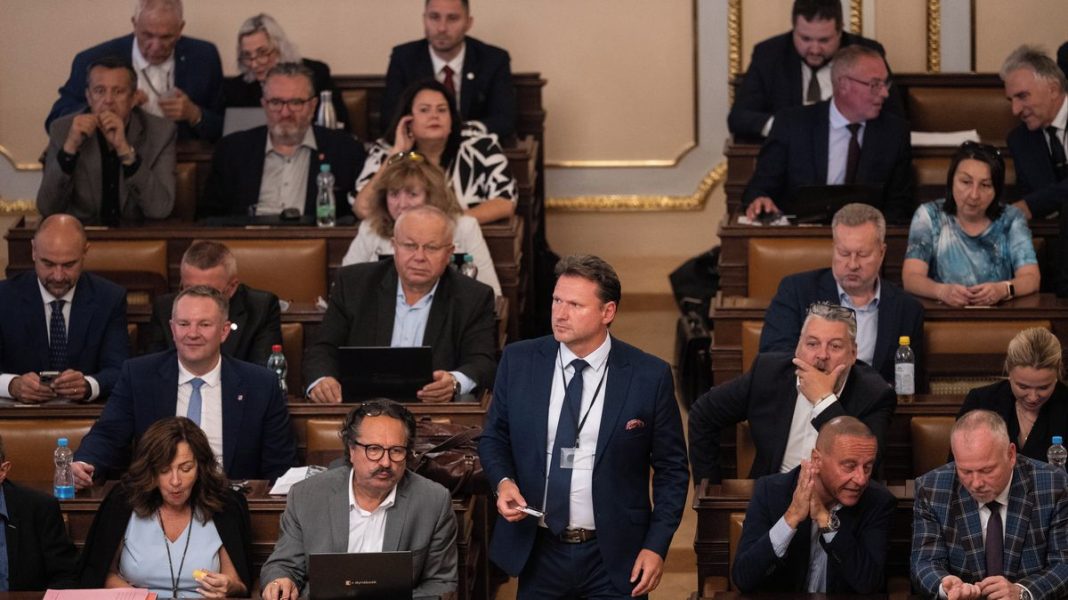

The Czech government is facing criticism for rushing legislative processes without adequate public consultation. This has sparked a widespread debate on the implications for democratic participation and transparency.
Accelerated Legislative Process

In recent months, the Czech government has been criticized for fast-tracking several bills, bypassing the usual processes of public input and deliberation. Officials argue that these measures are necessary due to urgent national concerns, ranging from economic reforms to national security. However, critics claim that this approach undermines democratic institutions and excludes citizen participation, a fundamental aspect of governance.
The urgency in passing these laws has raised questions about the balance between expediency and democratic engagement. While some legislators defend the pace as essential for immediate reforms, transparency advocates worry about the potential erosion of trust in government processes.
Public Response and Concerns

The public response has been mixed, with a significant portion expressing frustration over the lack of consultation. Various civil society groups have organized demonstrations and campaigns demanding more transparency and opportunities for citizen input. They argue that these fast-tracked laws could have long-term impacts on social and economic policies.
Concerns have particularly focused on laws related to economic recovery post-pandemic and digital surveillance, where the lack of public oversight could result in policies that don’t reflect the population’s needs or values. This situation highlights the tension between administrative efficiency and democratic accountability.
The Role of Technology in Legislation

Technology has the potential to facilitate better engagement between lawmakers and citizens. While traditional public forums have been sidelined, digital platforms offer a means to solicit public opinion efficiently. However, critics note that these technologies have not been effectively utilized in the current legislative rush.
Online consultations and surveys could have been vital tools in gathering widespread input quickly. However, the absence of such measures has led to an atmosphere where citizens feel disconnected from the decisions affecting their lives.
Looking Ahead

Moving forward, there is a growing call for more comprehensive reforms in how laws are passed in Czechia. Proposals include mandatory public consultation stages for significant bills and enhanced digital platforms to facilitate citizen engagement. By prioritizing transparency and participation, the government can strengthen trust and ensure policies that are reflective of the public’s best interests.
As the debate continues, it is crucial for lawmakers to consider the benefits of broad public involvement, not just as a procedural formality but as a cornerstone of a vibrant, functioning democracy.
The ongoing discourse emphasizes the need for balance between efficiency and democratic ideals, ensuring that Czech citizens have a voice in shaping their future.