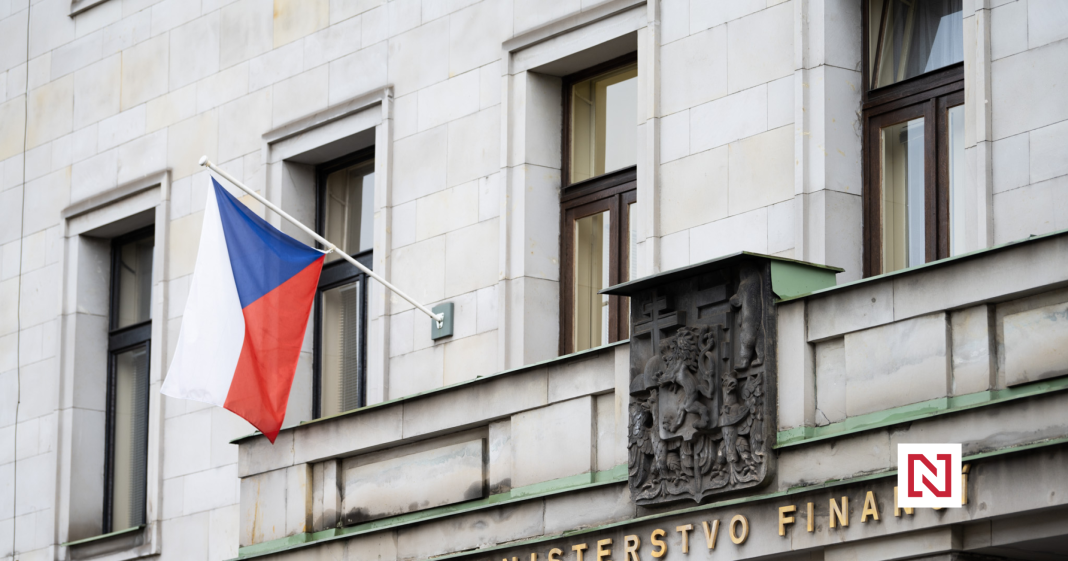

In a move to address the financial challenges facing the nation, the Czech government has introduced a budget plan intended to stabilize the country’s finances. This initiative arrives amidst public scrutiny and calls for greater transparency.
Key Changes in the Budget

The newly unveiled budget plan includes several significant changes aimed at curtailing the deficit and boosting the economy. Officials announced measures that involve cost-cutting across various sectors while also introducing new revenue streams. The government hopes to balance austerity with growth through targeted investments in infrastructure and technology.
Moreover, expenditure in education and healthcare remains prioritized, ensuring that essential services continue to receive adequate funding. These sectors are seen as crucial for long-term national development and workforce enhancement.
Tax reforms also feature prominently in the budget plan, with adjustments designed to increase fairness and reduce tax evasion. These changes are expected to streamline operations and enhance the efficiency of tax collection.
Public Concerns and Reactions

Despite the government’s assurances, the budget plan has sparked a debate among citizens and financial experts. Many argue that the lack of comprehensive details about where the cuts will occur creates uncertainty. Citizens are particularly worried about potential impacts on social services and public sector jobs.
Experts have also raised concerns about the reliance on increased taxation as a primary source of revenue. They urge the government to consider alternative methods that do not disproportionately affect low and middle-income families.
The government, however, remains confident in its approach, emphasizing the importance of making tough decisions to secure economic stability and growth.
Political Implications

The introduction of this budget plan has significant political ramifications. Opposition parties have criticized the government for insufficient consultation and have called for greater transparency in the decision-making process. They argue that a more collaborative approach would lead to better solutions and more public support.
On the other hand, supporters within the government assert that the budget reflects necessary adjustments in a time of financial uncertainty. They view it as an essential step in addressing systemic issues within the economy.
As the debate intensifies, the government remains under pressure to justify its plan and win public trust.
Economic Projections

Proponents of the budget are optimistic about its potential impact on the Czech economy. They anticipate that the strategic investments and reforms will lead to improved economic performance, increased foreign investment, and job creation.
Economic analysts are cautiously optimistic, suggesting that if implemented effectively, the budget could stabilize the nation’s finances. However, they warn that external factors such as global market trends and regional economic conditions may affect these outcomes.
The government has pledged to monitor the situation closely and adjust the plan as necessary to accommodate changing economic realities.
As the government moves forward with its budget plan, it remains crucial to maintain open lines of communication with the public and stakeholders. Transparency and engagement will be key in navigating the complexities of economic reform.