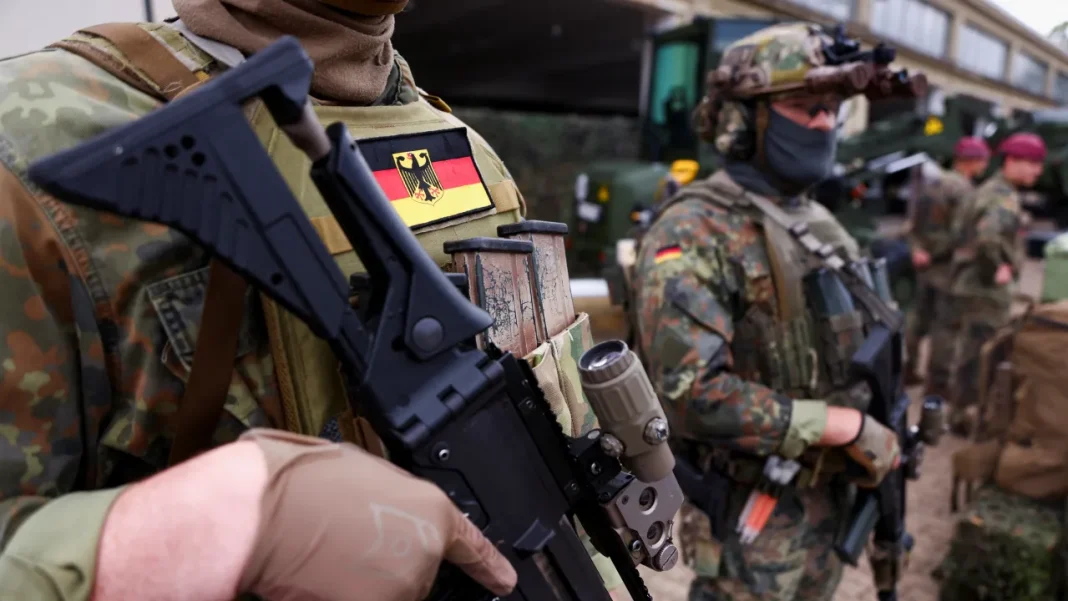

The German Army has recently discharged several paratroopers following allegations of extremism within its ranks. This move has sparked discussions about the presence of extremist ideologies in military institutions across Europe.
Allegations of Extremism

The dismissals come after a thorough investigation into the behaviors and beliefs of the soldiers in question. Reports suggest that these individuals were found to have connections with extremist groups, raising concerns about the infiltration of radical ideologies within the military. This incident highlights the ongoing challenge that European militaries face in maintaining integrity and trust amidst such threats.
German authorities have been vigilant in their efforts to address these issues, implementing strict measures to prevent the spread of extremist beliefs. This approach is part of a broader national strategy to uphold democratic values and ensure that armed forces remain free from political and ideological biases.
Impact on Military Cohesion

The presence of extremism within the military can significantly affect unit cohesion, morale, and overall effectiveness. Soldiers need to trust that their colleagues share the same commitment to democratic principles and the rule of law. Instances of extremism can erode this trust, leading to decreased morale and potential operational failures.
As a result, military leadership across Germany is taking proactive steps to address these challenges. This includes enhanced screening processes for new recruits and ongoing education programs to reinforce the values of diversity and inclusion among all personnel.
Reactions from the Public and Officials

The reaction to these dismissals has been mixed among the German public. While some express concerns about the prevalence of such ideologies, others see this as a necessary and decisive action to protect the integrity of the military. Government officials have supported the army’s decision, emphasizing the importance of maintaining a force that reflects Germany’s commitment to tolerance and equality.
This incident also raises questions about the broader societal factors contributing to the rise of extremism and how these influences can be mitigated. Public discourse has shifted towards discussing the role of education and community engagement in combating these ideologies.
Broader Implications for European Security

The issue of extremism in the military is not isolated to Germany; it poses a challenge across Europe. Measures taken by the German Army could serve as a model for other nations facing similar issues. European defense organizations are increasingly prioritizing collaboration to share strategies and best practices in dealing with extremism.
These efforts are crucial in maintaining the stability and security of the region, as extremist ideologies can not only disrupt military operations but also have broader geopolitical consequences. A unified and vigilant approach is necessary to curb these threats effectively.
The dismissals of paratroopers from the German Army underscore the importance of vigilance and proactive measures in addressing extremism within military ranks. Ensuring the integrity and loyalty of military personnel is paramount for national and regional security.
Source: Official German Army website.