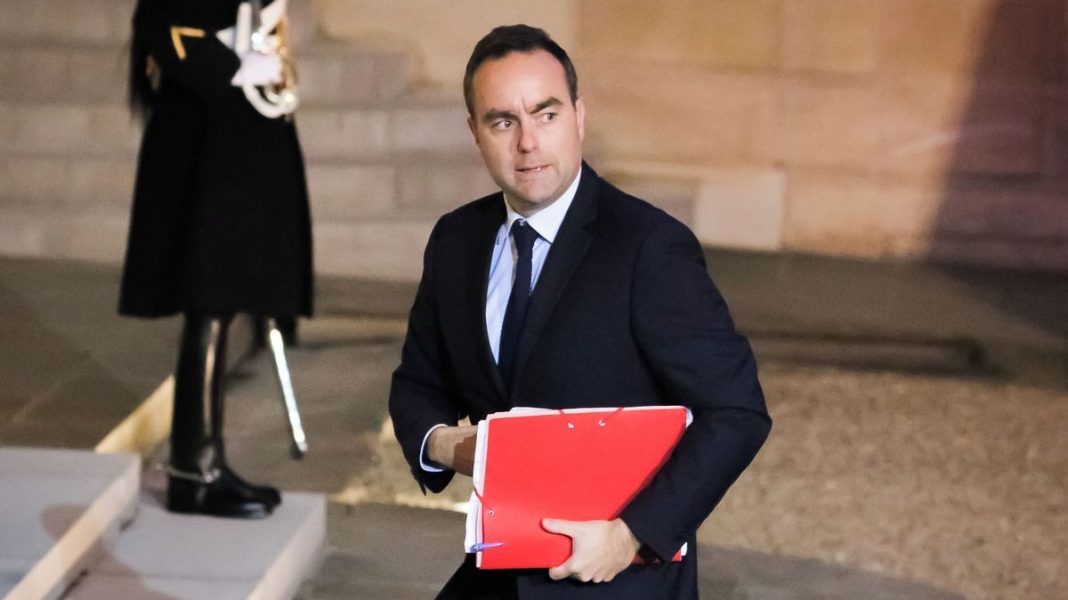

In a significant political development, France has approved its budget for the year 2026. The approval comes amid political turmoil as French Defense Minister Sébastien Lecornu survived two critical no-confidence votes. This event highlights the current political climate and the government’s ability to implement key fiscal policies despite opposition.
Details of the 2026 Budget Approval

The French government’s budget for 2026 outlines a strategic vision to address economic challenges and enhance public services. It focuses on funding essential sectors like healthcare, education, and national defense. This budget was carefully crafted to balance fiscal responsibility with the need to stimulate economic growth and ensure social stability.
The passing of the budget signals confidence in the government’s economic strategy amidst a backdrop of uncertainty. By prioritizing investments in infrastructure and sustainable development, France aims to set a path for long-term prosperity while navigating current financial pressures.
Political Climate and No-Confidence Votes

Defense Minister Sébastien Lecornu recently faced two no-confidence votes, presenting a challenge to his position within the government. Despite the contentious atmosphere, Lecornu successfully retained his role, reinforcing the current administration’s political standing.
No-confidence votes in France are not uncommon, serving as a tool for opposition parties to question government actions. Lecornu’s survival of these votes suggests a consolidation of support within the ruling coalition, allowing the government to proceed with its agenda.
Implications for National Defense

The inclusion of national defense in the 2026 budget reflects ongoing concerns about security and military readiness. As geopolitical tensions persist, France underscores its commitment to maintaining a robust defense strategy. Investments in military technology and personnel are expected to enhance operational capabilities.
Lecornu’s role as Defense Minister is crucial in advancing these defense objectives, ensuring that the budget allocations align with strategic goals. His continued leadership is a stabilizing factor for the military sector as it adapts to evolving global threats.
Expert Reactions and Public Opinion

The approval of the 2026 budget and Lecornu’s survival have garnered mixed reactions. Economic experts commend the budget’s focus on long-term investments, while critics argue that it may not sufficiently address immediate concerns like inflation and unemployment.
Public opinion remains divided, with supporters emphasizing the need for political stability and opponents calling for more aggressive reforms. The government now faces the challenge of implementing the budget efficiently while maintaining public trust and addressing socio-economic inequalities.
In conclusion, the approval of France’s 2026 budget amid political challenges illustrates the government’s resilience and strategic foresight. As it moves forward, the administration will need to balance fiscal policies with public expectations to ensure continued growth and stability.