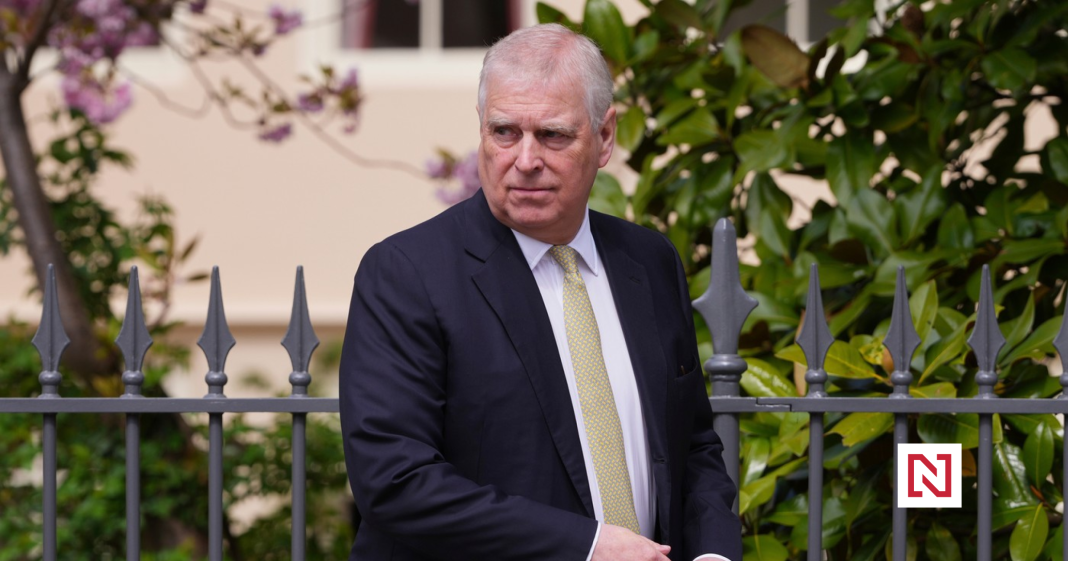

The imprisonment of former Prince Andrew has sent shockwaves throughout Britain and the world, prompting significant discussion about the broader implications for both the UK and the US. This development has marked a historic moment, raising questions about the royal family’s present and future.
Background and Imprisonment

Former Prince Andrew, once a prominent member of the British royal family, has been imprisoned following a high-profile trial. The case revolved around multiple charges, with the fallout resonating deeply within both the United Kingdom and international circles. This unprecedented situation has sparked debates around privilege, accountability, and justice being served at the highest echelons of society.
The trial’s outcome has also reignited discussions about the transparency and integrity of the British monarchy. Many have viewed this as a pivotal moment, pushing the royal family towards greater openness to maintain public trust. Observers note that the monarchy’s responses will likely influence its future role in both domestic and foreign affairs.
Impact on the UK

Within the UK, the repercussions of Prince Andrew’s imprisonment are far-reaching. Public opinion shows a growing demand for accountability that transcends traditional boundaries, emphasizing that royalty should not be above the law. The event may catalyze legal reforms aimed at ensuring equality before the law for all citizens, irrespective of their social standing.
The British media has also been engrossed in covering every development, reflecting the public’s fascination and concern. Analysts predict prolonged discourse not only about Prince Andrew’s implications but also about potential reforms within the royal institution to prevent similar issues in the future.
Reactions from the United States

Across the Atlantic, the case has garnered significant attention, particularly in light of its connections to broader legal and social issues. American media has extensively covered the trial, with debates emerging about cultural differences in viewing royalty and justice.
In the US, Prince Andrew’s imprisonment has had political and social repercussions, prompting conversations about accountability in leadership positions, from corporate executives to political figures. The case may serve as a reference point for future discussions on international legal cooperation and standards.
The Broader International Consequences
At an international level, the former prince’s imprisonment has led to diplomatic discussions regarding the roles and responsibilities of royalty in global affairs. Various countries have weighed in, examining how their own royal families or analogous institutions could be affected.
This incident underscores significant shifts in global perceptions of royalty, potentially influencing international relations where royal families still play a ceremonial or political role. The global community is watching closely, as changes in Britain could reflect or inspire similar shifts elsewhere.
These unfolding events around former Prince Andrew’s imprisonment are set to shape the narrative surrounding the British monarchy and related cultural institutions worldwide. The implications will likely resonate for years to come, hinting at significant changes in both domestic and international contexts.
Source: Official British Monarchy website.