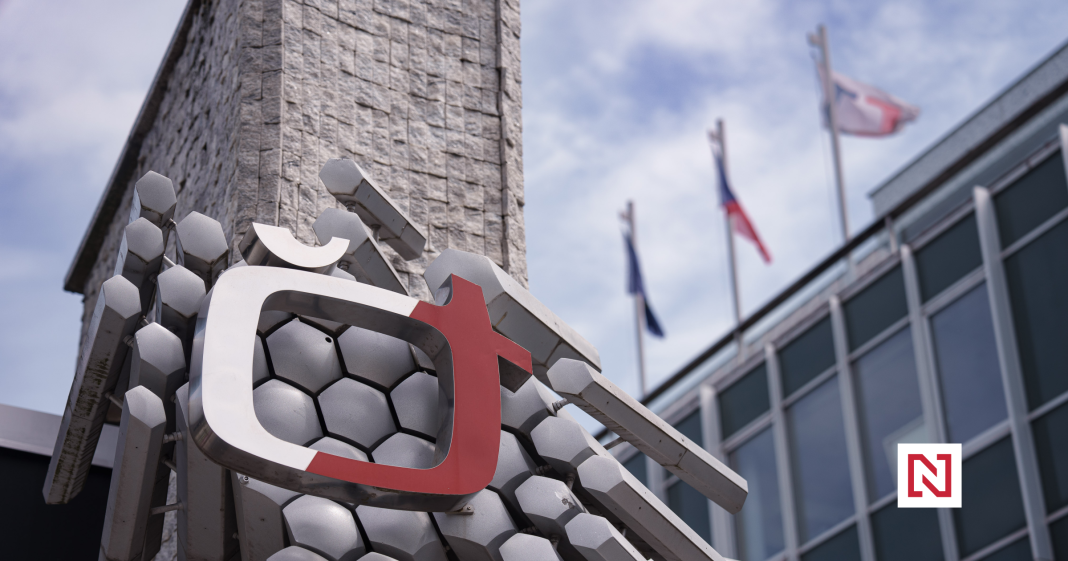

In a robust demonstration against the proposed abolition of compulsory fees, nearly 2,000 employees of Czech Television (ČT) and Czech Radio (ČRo) gathered to voice their discontent. The rally emphasized the potential impact of such changes on public broadcasting.
Public Broadcasting in the Spotlight

The proposal to abolish the license fees that fund ČT and ČRo has sparked significant unrest among media professionals. These fees, which are mandatory under current legislation, enable the provision of independent public service broadcasting. With the government’s plan stirring controversy, employees fear that the change could hinder the outlets’ ability to operate without political influence.
The rally was an expression of deep-seated concern over the future of Czech public media. Speakers highlighted that the fees are crucial for maintaining the autonomy of broadcasters, which is essential for ensuring unbiased news coverage and diverse programming.
Impact on Independent Journalism

Abolishing these fees could heavily compromise independent journalism in Czechia. The financial support they provide helps guarantee that ČT and ČRo are not swayed by political parties or commercial interests. Without this funding, broadcasters might be forced to seek alternative revenue sources, potentially jeopardizing their impartiality.
Journalists and media experts warn that undermining the economic foundations of public broadcasting could lead to a significant decline in the quality and independence of media in the country. This is a pivotal moment for Czechia’s democracy, as public broadcasting plays a vital role in informing and educating its citizens.
Political Context and Reactions

The proposed abolition is part of a broader political debate over media funding in Czechia. Some government officials argue that the fees are outdated and financially burdensome for citizens. However, media professionals counter that the stability and quality of public broadcasting should be prioritized over budgetary concerns.
The issue is polarizing, with supporters advocating for a reformation of the funding model rather than its abolition. Meanwhile, opposition parties and media organizations continue to challenge the proposal, warning that it undermines the democratic process.
Future Outlook for ČT and ČRo

As discussions continue, the future of ČT and ČRo remains uncertain. Many suggest exploring alternative funding mechanisms that would not compromise editorial freedom. Possibilities include state funding with strict safeguards for independence or restructured public contributions.
The recent rally underlines a powerful commitment to preserving independent media in Czechia. Employees and supporters remain vigilant, determined to protect the principles of unbiased reporting and access to trustworthy information.
While the outcome of this controversy is still pending, it is clear that the decisions made will have lasting implications for the landscape of Czech media and society.
Source: Official Czech Television website.