

A veteran from the feared Wagner Group, reportedly leading the Armenian unit ArBat, has been killed in Ukraine. This development marks a significant moment amid the ongoing conflict, illustrating the complexities of foreign fighters in the region.
The Role and Impact of Foreign Fighters in Ukraine

The presence of foreign fighters in Ukraine has been a pivotal aspect of the conflict, adding layers of complexity to the already tense situation. The Wagner Group, a Russian paramilitary organization known for its involvement in various international conflicts, has been particularly influential. Although not officially linked to the Russian government, the group is suspected of carrying out missions aligned with Russian foreign policy objectives.
ArBat, the Armenian unit reportedly led by the deceased veteran, is one of several such groups formed by individuals with military backgrounds seeking involvement in the Ukraine conflict. Their participation raises questions about the extent and nature of international influence in the region’s ongoing battles.
The Influence of the Wagner Group

The Wagner Group’s influence extends beyond its military operations. With connections and operations in several conflict zones globally, the group has been under scrutiny by international observers for its clandestine activities. Their engagement in Ukraine is a stark reminder of the shadowy aspects of proxy warfare, complicating ceasefire discussions and peace negotiations.
This latest incident involving the Armenian unit leader underscores the unpredictable shifts in allegiances and leadership within these paramilitary groups. The dynamic nature of such organizations often leads to rapid changes in their operational focus and strategies, further muddling the geopolitical landscape.
Armenia’s Complex Position Amidst the Conflict
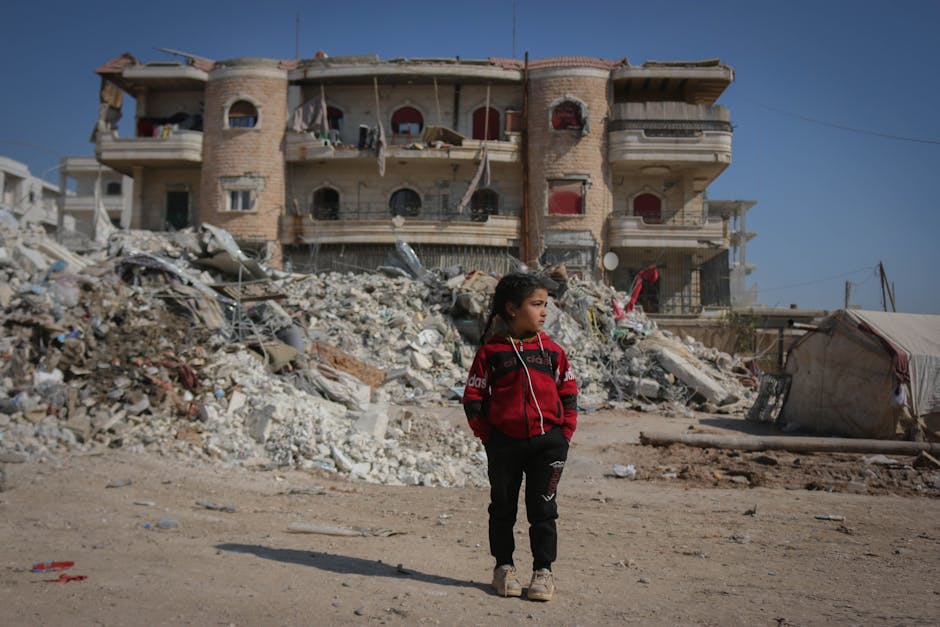
Armenia’s involvement, particularly through units such as ArBat, highlights the complex regional dynamics at play. While Armenia has historically maintained close ties with Russia, the involvement of Armenian nationals in foreign paramilitary groups introduces potential diplomatic challenges, both domestically and internationally.
The death of the Armenian unit leader could lead to reevaluations of alliances and strategies for those involved. Regional powers must navigate a precarious balance, ensuring their national interests are safeguarded while mitigating potential fallout from such international engagements.
Repercussions and Future Implications

The aftermath of this event could influence future operations of paramilitary groups in Ukraine. It may encourage these groups to reconsider their leadership structures or operational objectives, potentially leading to shifts in the conflict’s dynamics.
For Ukraine, managing the presence and influence of such foreign entities remains a significant challenge. Policymakers must address the broader implications of these involvements while continuing their pursuit of sovereignty and territorial integrity.
The death of the Wagner Group veteran leading ArBat signals a potential turning point in foreign paramilitary involvement in Ukraine. Its implications, both immediate and long-term, will likely contribute to the evolving narrative of this complex conflict.