
As the conflict in Ukraine persists, the resilience of those living in occupied territories remains a central focus. The evolution of resistance has taken on new dimensions in the face of continued threats, including reports of Russian-led torture methods.
Adapting to Oppression

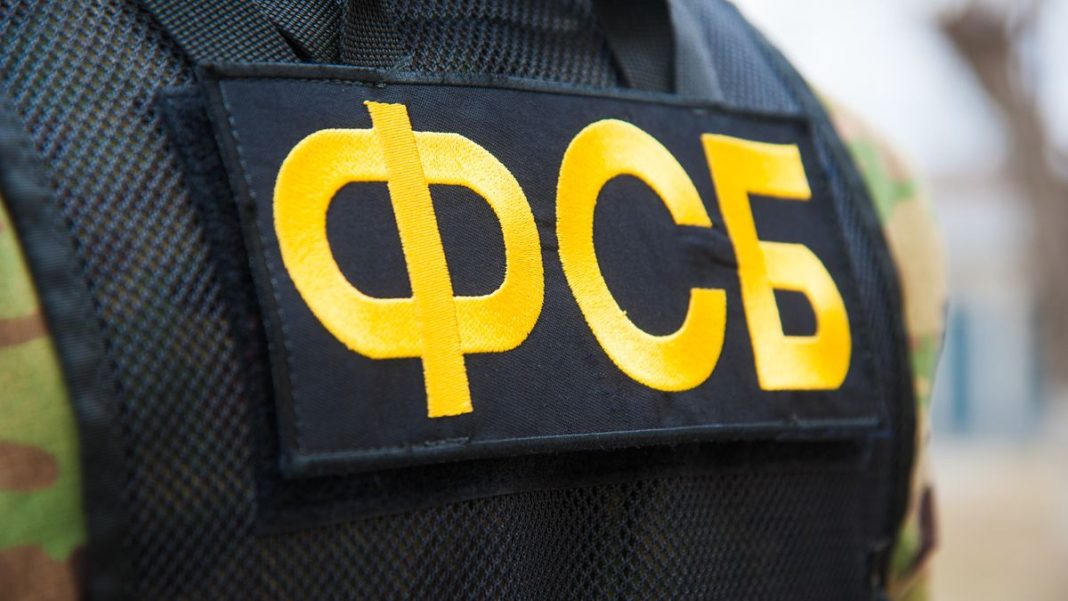
In occupied territories, civilians face increasing amounts of pressure as they strive to maintain their culture, identity, and freedom. Resistance has traditionally involved passive acts like preserving language and customs, but the situation has become more dire as reports of violent repression emerge. Torture and intimidation are used as tools to subdue those who oppose occupation, necessitating an evolution in the methods and networks of resistance.
The use of clandestine communications has surged as people find new ways to document abuses and share vital information. With the digital landscape as a conduit, encrypted messaging apps and social media platforms are becoming lifelines for those who wish to expose the reality of life under occupation.
Underground Networks

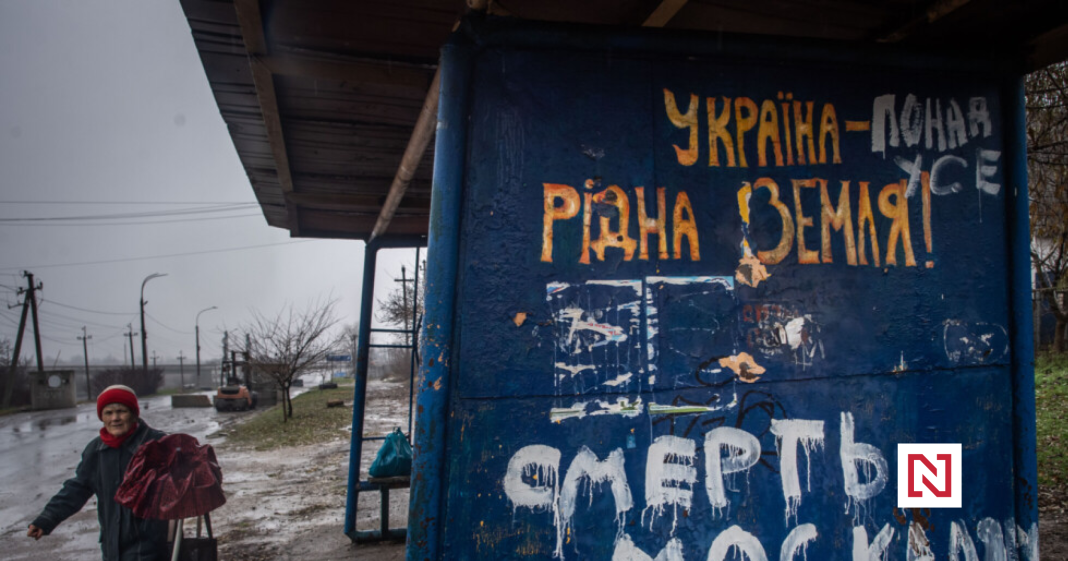
Underground networks, reminiscent of historical resistance movements, have emerged as essential structures for coordination among affected communities. These groups engage in activities that range from simple acts of defiance, such as flying banned flags, to more complex operations aimed at undermining oppressive forces.
Such networks are instrumental in organizing rallies and protests, distributing humanitarian aid, and spreading truthful information. They often work closely with exiled governments and international human rights organizations to ensure that their struggle is recognized globally.
Psychological Warfare

The psychological toll of occupation and torture cannot be overstated. The constant fear of arrest, violence, and interrogation weighs heavily on the population. Even those not directly involved in resistance activities are affected by the pervasive atmosphere of suspicion and fear.
Communities are taking innovative steps to support mental health, understanding that resilience is not just physical but emotional. Local leaders are increasingly turning to clandestine support groups, online counseling sessions, and community solidarity events to bolster hope and morale.
The Role of International Support

The international community plays a pivotal role in supporting resistance efforts. Sanctions, diplomatic interventions, and public condemnation of oppressive regimes provide crucial moral and sometimes material support to those living under occupation.
International human rights organizations also act as important watchdogs, documenting abuses and providing platforms for advocacy. These organizations amplify the voices of oppressed people, ensuring that their stories reach global audiences and do not remain unheard.
In conclusion, the evolution of resistance in occupied territories reflects the courage and innovation of those who face daily threats. As these communities adapt and find new ways to survive, their resilience stands as a beacon of hope and a testament to human spirit in the face of adversity.