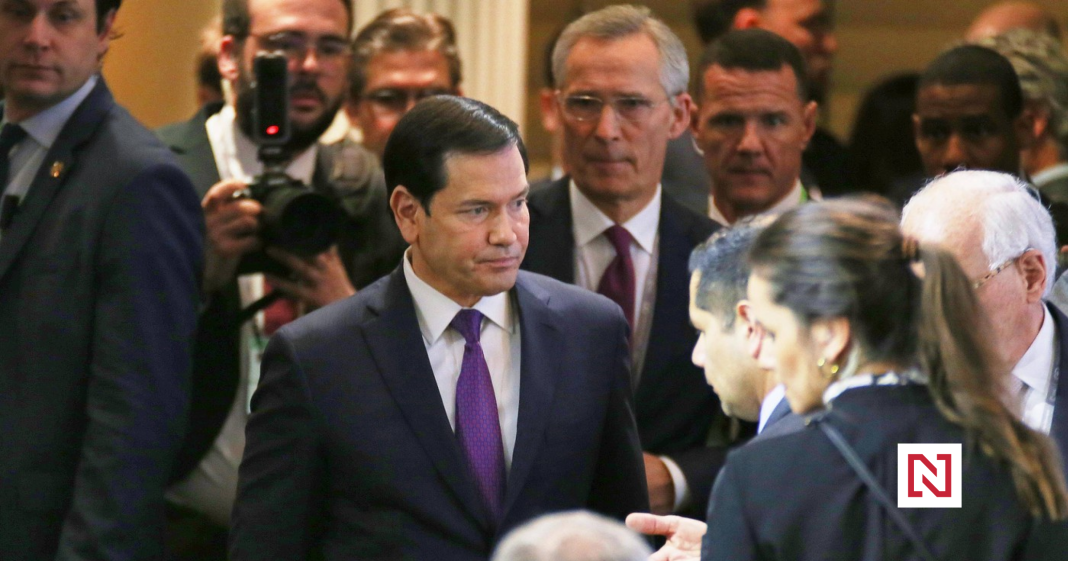

The recent speech by Ruby in Munich has garnered mixed reactions across Europe. While some leaders express relief, others remain cautious about the lasting influence of former U.S. President Donald Trump.
Ruby’s Speech: A Moment of Hope?

Ruby’s speech in Munich struck a chord with many European leaders, signaling a potential shift in U.S.-European relations post-Trump. Her emphasis on restoring alliances and fostering cooperation was a much-needed balm for the strained ties experienced during the Trump administration. Yet, this optimism is tempered by the understanding that rebuilding trust will require significant, sustained effort.
European leaders appreciated Ruby’s clear message that America values its traditional alliances. This reassurance was pivotal, particularly for countries like Germany and France, which have been vocal critics of Trump’s foreign policy approach. The speech was seen as a diplomatic olive branch, extended to mend fences that had been damaged in recent years.
Trump’s Lingering Influence
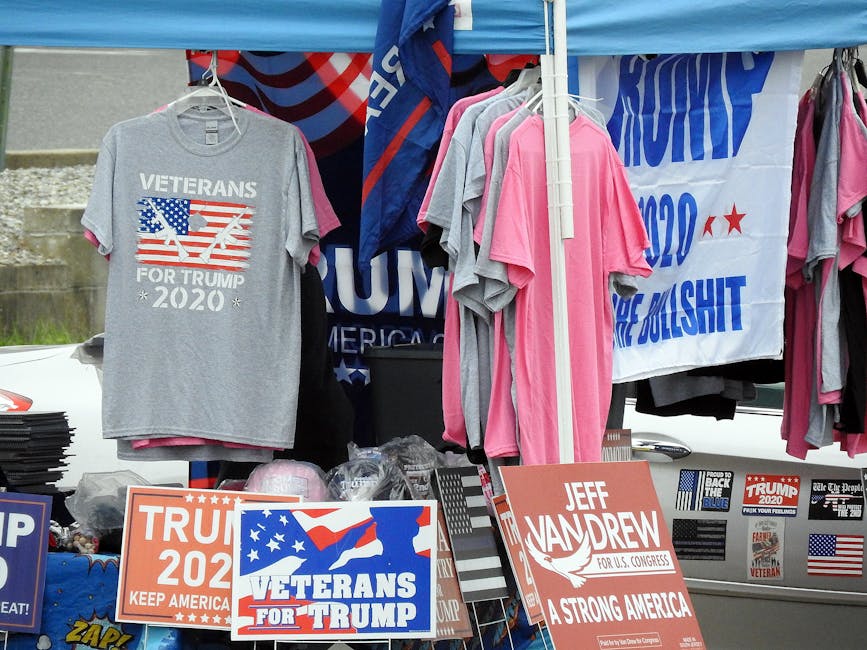
Despite the relief brought by Ruby’s address, Trump’s shadow looms large over the transatlantic relationship. His years in office were marked by a departure from multilateralism, leaving many European nations wary of future U.S. policy shifts. The uncertainty lies in the American political landscape, where Trump’s rhetoric and policies still resonate with a significant portion of the U.S. population.
This ongoing influence raises concerns that future U.S. administrations could revert to Trump-like isolationist policies, making long-term collaboration a potentially risky endeavor for European nations. Therefore, while Ruby’s intentions appear sincere, the cautionary stance of European leaders is understandable as they weigh the benefits and risks of reinvigorating these international ties.
The European Perspective

Europe’s collective response is not monolithic; it varies across different regions and political spectrums. Eastern European countries, for example, have traditionally maintained warmer ties with Trump’s administration due to shared concerns about security threats from Russia. Thus, their response to Ruby’s plea for unity is complex, balancing between fostering new alliances and retaining protective measures endorsed by Trump.
Conversely, Western European countries like France and Germany are eager for a return to collaborative projects centered around climate change, trade, and global security. These states view the strengthening of the EU-U.S. alliance as critical to addressing pressing global challenges and mitigating the impacts of authoritarianism around the world.
Looking Forward: Prospects for U.S.-European Relations
The path to a renewed transatlantic partnership is fraught with both opportunities and challenges. The EU is poised to increase its strategic autonomy while maintaining strong ties with the United States. This delicate balance requires keen diplomacy and a mutual understanding of shared goals.
Ruby’s Munich address may indeed be the harbinger of a new era of cooperation, but it will involve navigating complex geopolitical currents. Ensuring the longevity of this renewed relationship will depend on continuous dialogue, reciprocal trust, and the ability to adapt to global uncertainties.
In conclusion, while Ruby’s speech has momentarily eased European anxieties, it remains to be seen how effectively the U.S. and Europe can transcend past tensions and build a more resilient partnership. The watchword, therefore, is cautious optimism, with both sides tentatively hopeful for a more collaborative future.