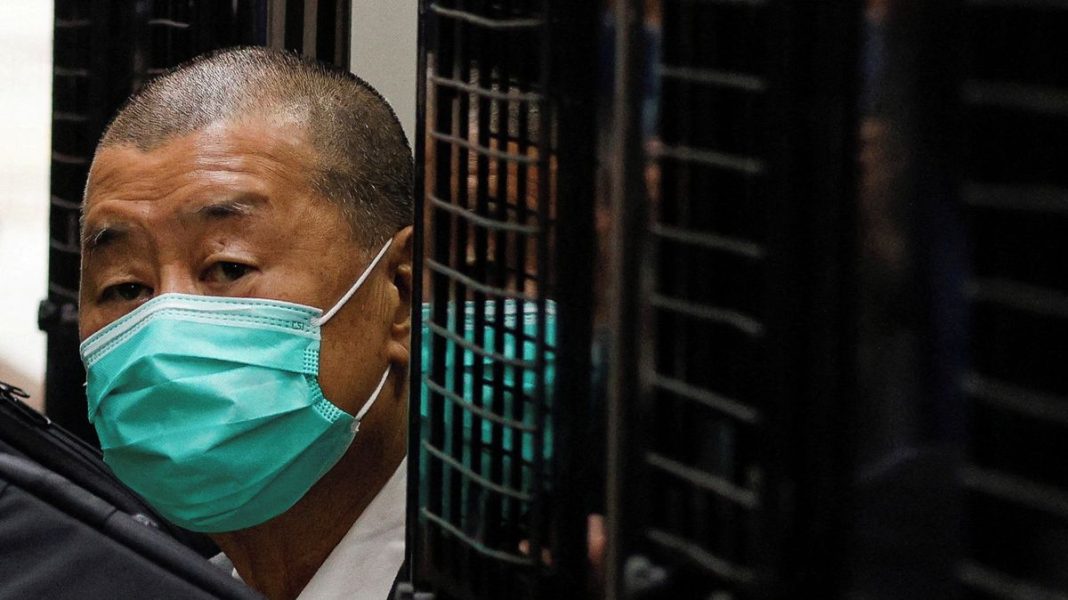

In what is being seen as a stark moment for civil liberties in Hong Kong, Beijing’s “Mega Trial” has reached its conclusion, delivering a strong message to the city’s dissenters. The trial, a significant event in the region’s ongoing political unrest, has highlighted Beijing’s increasing influence over Hong Kong’s legal system.
The Verdict and Its Implications

The “Mega Trial” has seen a series of high-profile pro-democracy activists face charges under the National Security Law. The final verdict delivered in recent days represents a critically severe stance by the Chinese authorities, believed to be intended as a deterrent to future dissent. Observers have noted that this is part of a broader strategy by Beijing to consolidate its grip over Hong Kong, ensuring any form of political opposition is firmly shut down.
The implications of this trial are profound. Legal experts suggest that the outcome might discourage participation in pro-democracy activities, as the harsh penalties serve as a warning. The judgment is not only a blow to the individuals involved but is also seen as an overarching threat to the freedoms that Hong Kongers have long cherished.
Response from Hong Kong and International Communities
The response within Hong Kong has been one of mixed emotions. Some citizens feel despondent and fear further erosion of their rights. Public gatherings to protest the trial outcomes were quickly stifled by local authorities. Meanwhile, pro-Beijing supporters argue that such measures are necessary to maintain stability and peace in the region.
Internationally, the trial has drawn significant criticism. Several human rights organizations have condemned the outcomes as a violation of basic freedoms and a direct breach of the “one country, two systems” principle. Countries like the U.S. and the UK continue to express their concern over Hong Kong’s diminishing autonomy and have called for swift actions to safeguard fundamental freedoms.
Legal and Political Analysis

The trial’s proceedings have been scrutinized for their adherence to international legal standards. Critics argue that the defendants were denied fair legal representation and faced predetermined judicial outcomes, which have long-term ramifications for Hong Kong’s judicial independence.
Politically, the trial marks a watershed moment, exacerbating tensions between the Hong Kong administration and pro-democracy supporters. It also intensifies the already strained relations between Hong Kong and Western democracies which support the preservation of individual freedoms and democratic rights in the city.
Future of Dissent in Hong Kong
Looking ahead, the future of dissent in Hong Kong appears fragile. The significant legal repercussions imposed on activists might lead to a chilling effect on political expression. Activists now face a dilemma between continuing their struggle for democracy and the personal risk of severe punishment.
Nevertheless, some activists remain undaunted, committing to their cause in more discreet ways. Utilizing digital platforms to voice dissent while hoping for international support, they continue to strive for a return to a Hong Kong that embraces freedom and rights for all its citizens.
As Beijing’s influence over Hong Kong intensifies, the coming years will be crucial in determining the city’s identity and its people’s ability to exercise their rights without fear.