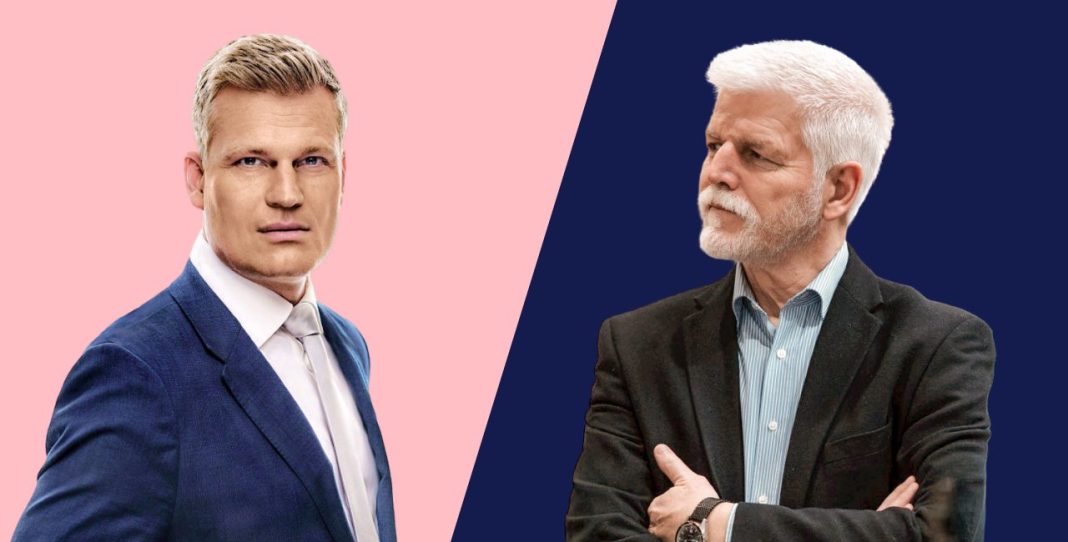

In a world where political landscapes are rapidly shifting, populism has taken center stage in many countries. Economist Navrátil provides insights into why populist leaders are gaining traction and questions whether people are truly well off or if underlying issues remain.
The Rise of Populism

Populism, often characterized by emotional appeals to ordinary people against the established elite, has surged in recent decades. Economist Navrátil argues that the rise of populist leaders is often rooted in economic dissatisfaction. Many voters feel neglected by traditional parties, especially when economic disparities grow or remain unresolved. This dissatisfaction breeds a fertile ground for populists who promise radical changes to the status quo.
The appeal of populism is strengthened by its simplicity. Populist leaders typically offer straightforward solutions to complex problems, resonating with those who feel alienated or disenchanted. These politicians often harness social media to communicate directly with the public, bypassing traditional media channels. This direct line to the electorate amplifies their message and ignites a sense of urgency and hope among their supporters.
Are People Really Well Off?

The question of whether people are genuinely well off is pivotal in understanding the popularity of populist movements. Navrátil suggests that while macroeconomic indicators may point to growth and stability, the lived reality of many individuals tells a different story. Economic prosperity is often unevenly distributed, leaving significant portions of the population feeling left behind.
In many developed countries, stagnant wages and rising costs of living contribute to a sense of frustration. The promise of equitable economic growth has not materialized for everyone, leading to disillusionment with current political systems. Populists tap into these feelings, offering hope and change by drawing attention to inequalities and promising to prioritize the interests of ordinary citizens.
The Economic Landscape

Navrátil points out that the economic landscape is complex and influenced by numerous factors, including globalization, technological advancements, and policy decisions. Globalization, for instance, has led to increased competition, benefiting some sectors while harming others. Many traditional industries have been disrupted, leading to job losses and cultural shifts that unsettle communities.
Technological advancements, while offering significant benefits, also contribute to economic disparities. Automation and innovation can lead to job displacement, further exacerbating feelings of insecurity among workers. These challenges are often addressed inadequately by mainstream parties, creating opportunities for populists to propose seemingly radical yet appealing solutions.
A Look at Czechia

In the context of Czechia, populism has reflected local economic and political dynamics. Navrátil highlights that historical factors and recent economic transitions play a significant role. Czechia, like many other post-communist countries, has experienced waves of reform and economic restructuring, sometimes leading to public unrest and dissatisfaction.
Furthermore, the perception of corruption and inefficiencies within political systems contributes to the attractiveness of populist narratives. Leaders who present themselves as outsiders or anti-establishment can gain substantial support by capitalizing on these perceptions, promising transparency and accountability.
While the rise of populism can be attributed to a variety of factors, it ultimately underscores a broader quest for inclusivity and representation in political processes. As leaders respond to these dynamics, they must address both economic and social grievances to foster a truly equitable society.
Source: Official Economist Navrátil website.