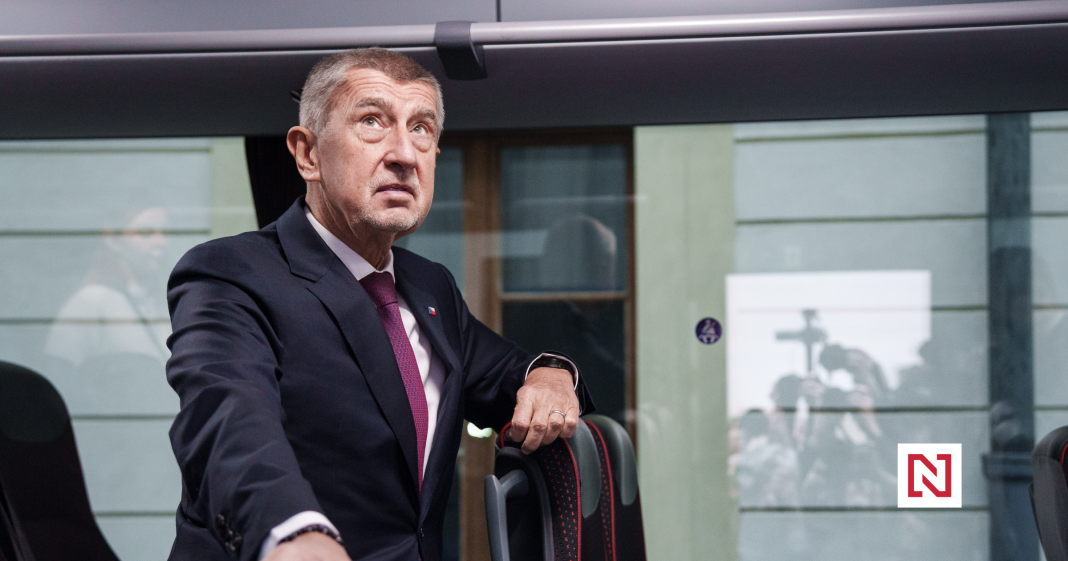

Former Czech Prime Minister Andrej Babiš has taken a firm stance, criticizing the French ambassador and refusing to engage in discussions about Ukraine with French President Emmanuel Macron. This development has added tension to the ongoing diplomatic dialogue involving these nations.
Babiš’s Accusations Against French Ambassador

Andrej Babiš has accused the French ambassador of spreading disinformation that undermines both domestic and international relations. The former Prime Minister claims that certain statements and actions attributed to the ambassador have negatively impacted Czech-French diplomatic ties. Babiš’s critique signifies a broader issue of misinformation and its influence on political discourse.
This incident underscores the growing concern about the role of diplomatic figures in shaping public perception, particularly in sensitive geopolitical matters. Babiš’s allegations highlight the challenges faced by nations in maintaining transparency while navigating complex international relations.
Refusal to Meet with Macron over Ukraine Talks

In a notable move, Babiš has refused to meet with French President Emmanuel Macron to discuss the ongoing Ukraine situation. His refusal is reportedly driven by dissatisfaction with France’s stance and perceived bias in handling the conflict in Eastern Europe. Babiš’s decision marks a significant departure from conventional diplomatic engagement, potentially affecting Czechia’s role in international discussions regarding Ukraine.
The decision not to participate in talks with Macron could have broader implications for Czech-French relations and EU cohesion on foreign policy issues. It raises questions about the implications of national leaders opting out of structured diplomatic dialogues.
Impact on Czechia’s Diplomatic Position

Babiš’s actions come at a time when Czechia is striving to establish its position within the European Union and on the global stage. His public denunciation of the French ambassador and rebuff of Macron may influence how other EU nations perceive Czechia’s foreign policy strategy.
The ongoing situation presents a diplomatic challenge for the Czech government, which has to balance national interests with international cooperation. The decision may also impact future negotiations, as allies and adversaries alike react to Babiš’s unilateral approach.
The Broader European Context

The criticism by Babiš and the refusal to engage in talks with Macron reflect broader trends in European diplomacy, characterized by heightened sensitivities and varying national perspectives on conflict resolution. This situation exemplifies the intricate nature of alliances and diplomatic relationships within the EU.
The discord between Czechia and France could serve as a microcosm for examining how misinformation and unilateral decisions disrupt traditional diplomatic processes. It also highlights the necessity for cohesive strategies that align national interests with broader European goals.
As the situation unfolds, the international community will closely watch for potential shifts in alliances and policy directions. Babiš’s stance not only challenges current diplomatic norms but also calls into question the effectiveness of international dialogue in addressing complex issues like the Ukraine conflict.