Czechia may soon have a new celebration on its calendar as a proposal for a national Flag Day gains momentum. This move has sparked interesting debates around national identity, historical symbols, and what a flag truly represents.
The Proposal for a Flag Day

The idea of instituting a Flag Day in Czechia has been proposed by several lawmakers who believe that the national flag deserves its own day of recognition. They argue that celebrating the flag could serve as a unifying moment for citizens, fostering a greater sense of national pride and connection. The proposal suggests that a Flag Day could provide a platform for educational initiatives, highlighting the history and significance of the flag.
Historically, flags have served as potent symbols of a nation’s values and beliefs. In Czechia, the flag is a representation of the struggles and triumphs that have shaped the nation. The proposed day aims to enhance public awareness and encourage a deeper understanding of the flag’s symbolic role in both past and present contexts.
Political and Public Reactions

The proposal for a Flag Day has elicited varied reactions from politicians, scholars, and the public. Some members of the political community have voiced support, viewing it as an opportunity to strengthen patriotic education. They believe it could inspire younger generations to take pride in their national heritage.
However, not all responses have been positive. Critics argue that creating a Flag Day might politicize the symbol, detracting from its original meaning. Some citizens feel that nationalism through symbols may not necessarily translate into a more cohesive society, suggesting instead a focus on broader initiatives that address pressing societal issues.
Historical Significance of the Czech Flag

The Czech flag consists of a simple yet powerful design of three colors: white, red, and blue. Introduced in 1920, it was initially created as a symbol of the newly founded Czechoslovak Republic. Each color holds historical and cultural significance, reflecting the nation’s heritage and geographical aspects.
The flag’s journey through history is a reflection of the country’s resilience, especially during periods of political upheaval and change. From surviving World War periods to representing the Czech Republic after the peaceful split of Czechoslovakia, the flag has been a constant symbol of national identity.
The Role of Flags in National Identity
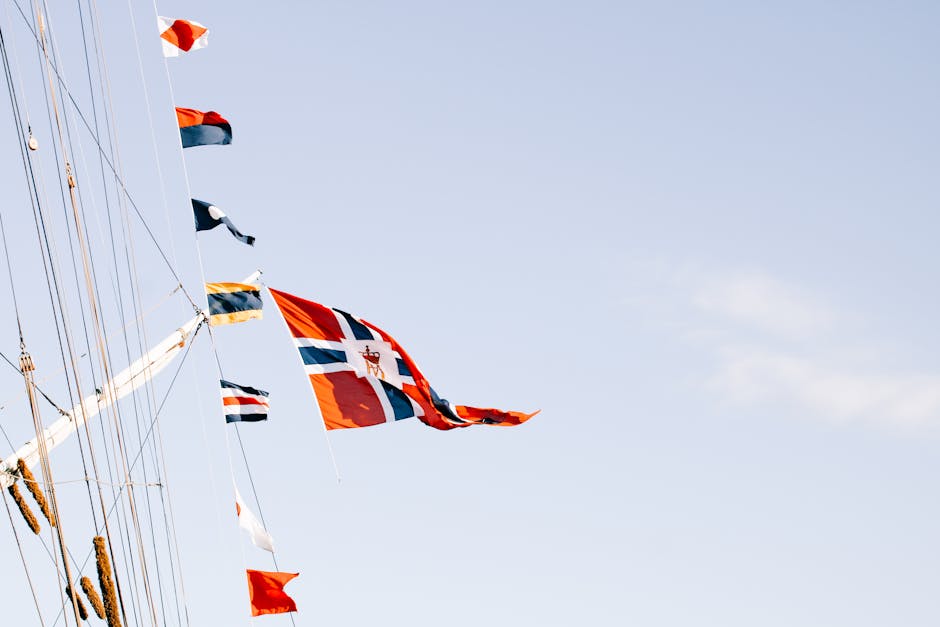
Flags have always been more than mere pieces of fabric; they are emblems of a nation’s core values and beliefs. For many countries, a flag embodies ideals such as unity, courage, and freedom. In Czechia, these concepts are deeply interwoven with the flag’s imagery.
Establishing a Flag Day could be seen as reinforcing national identity, reminding citizens of shared values and history. This celebration could serve as a vehicle for nurturing unity and solidarity among the diverse demographics within the nation.
The Future of Flag Day in Czechia

As discussions continue, the future of a potential Flag Day in Czechia remains uncertain. Proponents continue to lobby for legislative support, hopeful that the day will be officially recognized. Public opinion will play a critical role in determining the outcome, as lawmakers consider the cultural and social implications of such a celebration.
Ultimately, whether or not Czechia establishes an official Flag Day, the ongoing conversation reflects a broader interest in national symbols and the ways they can unify or divide societies.
In conclusion, the proposal for a Flag Day in Czechia opens up a significant dialogue about national identity and the role symbols play in shaping and reflecting societal values. It is a topic that continues to evolve, reflecting the dynamic nature of national pride and cultural heritage.