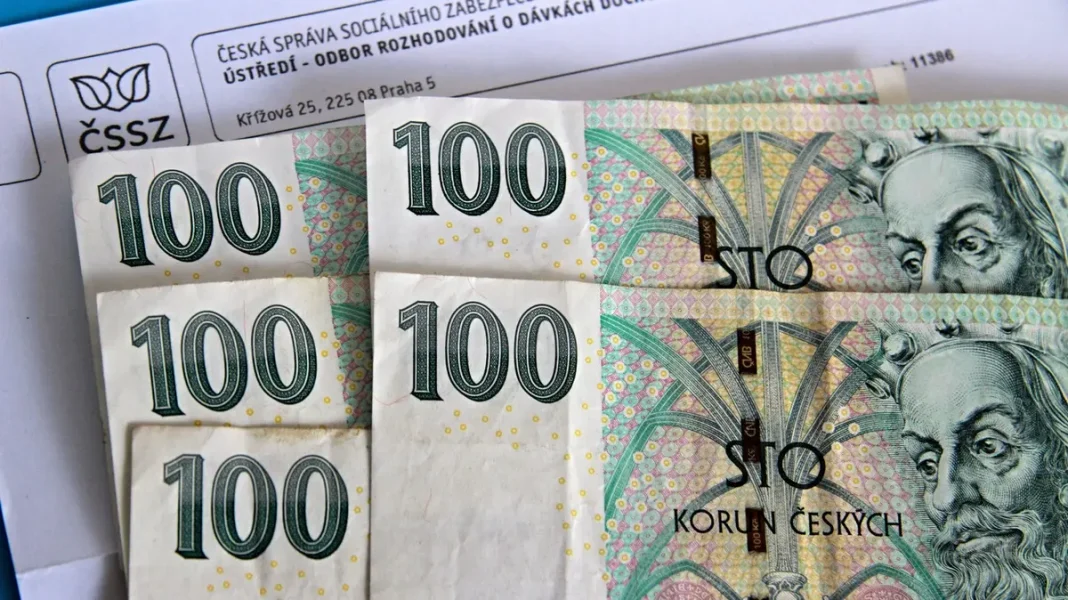

Recent reports indicate a slight decline in Czech pension expenditures, suggesting potential shifts in the national economy and public policy. As the demographics of the Czech Republic continue to evolve, the factors influencing pension costs are becoming increasingly complex.
Understanding the Decline

The modest decrease in pension expenditures in the Czech Republic reflects changes in economic conditions and demographic trends. Economic analysts suggest that a reduction in pension costs may be linked to an increase in the retirement age and adjustments in pension formulae. These changes aim to balance the needs of the aging population with economic sustainability.
Additionally, the shifting labor market plays a crucial role in this trajectory. With more individuals staying in the workforce longer, the immediate financial burden on the pension system is alleviated. However, this also poses challenges in ensuring adequate financial security for future retirees.
Demographic Factors at Play

The Czech population is characterized by an aging demographic, which presents unique challenges to the pension system. With life expectancy rising, the government must carefully manage resources to ensure long-term benefits for its citizens. This demographic shift necessitates ongoing policy adjustments to maintain balance within the pension system.
Moreover, the migration trends in the EU, including the Czech Republic, influence the workforce composition and consequently the pension contributors. A stable or growing working-age population helps sustain the pension fund’s viability.
Policy Implications

The decline in pension expenditures may prompt policymakers to rethink strategies aimed at long-term sustainability. In recent years, the Czech government has undertaken a series of pension reforms to address the challenges posed by an aging population, including introducing private pension funds as a complementary source of retirement income.
Effective policy measures are critical to ensure pensions remain sufficient, equitable, and financially viable. The current trend underscores the need for continuous evaluation and adjustment to meet the future demands of the pension system.
Future Projections and Challenges

The outlook for pension expenditures remains cautiously optimistic. While current trends show a decline, structural changes in the economy could impact future projections. Ensuring the integrity of the pension system requires proactive measures and may involve increased contributions or further retirement age adjustments.
As pensions form a crucial part of social welfare, the government must carefully tread the line between fiscal prudence and social responsibility. The ongoing dialogue among stakeholders, including policymakers, economists, and the public, will be essential in shaping a resilient pension system for future generations.
In conclusion, while the recent decline in pension expenditures in the Czech Republic suggests economic adjustments, it also highlights the impending challenges and necessary reforms to achieve long-term stability and fairness in the pension system.