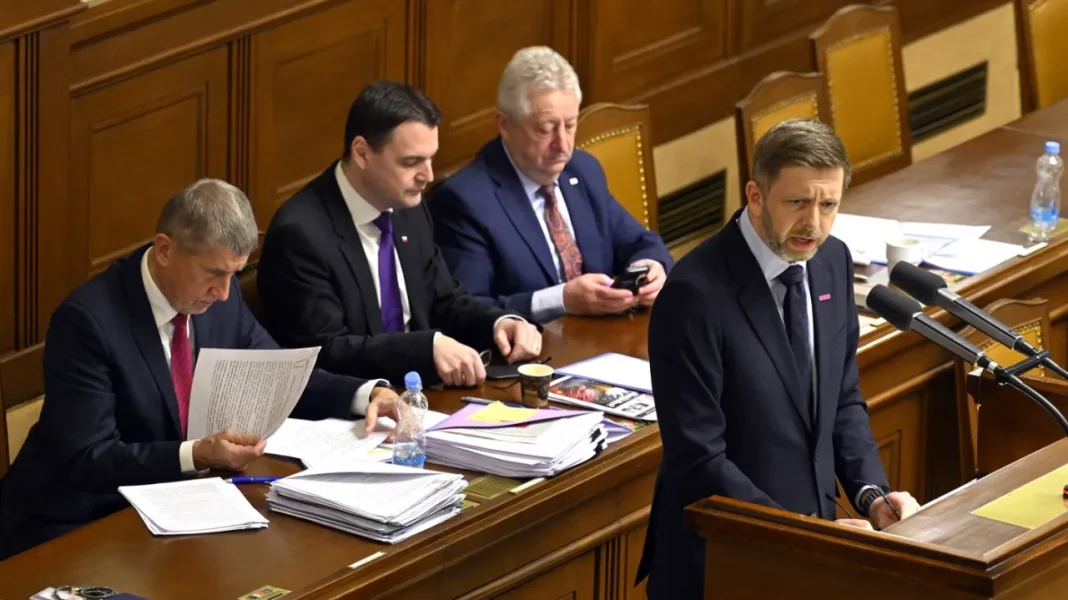

The Czech Parliament is set to discuss significant changes in tax contributions for freelancers and elect a new Deputy Speaker. These developments highlight ongoing debates about the future of the workforce in the Czech Republic.
Tax Proposals for Freelancers
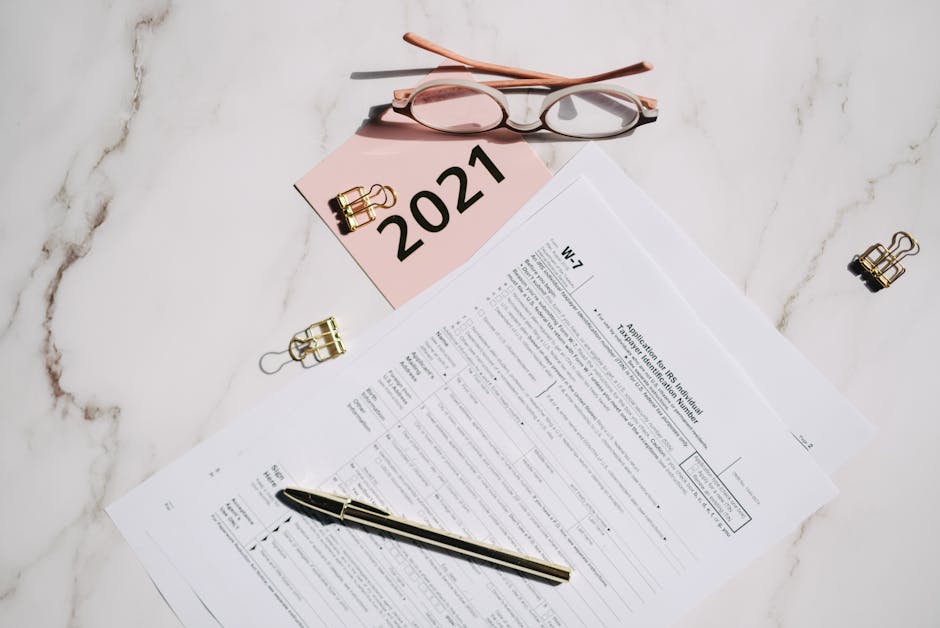
The proposed changes to the tax contributions of freelancers are aimed at addressing discrepancies between employee and self-employed taxation. Currently, freelancers, who make up a substantial portion of the Czech workforce, benefit from lower social and health insurance contributions compared to those in full-time employment. The government argues that these changes are necessary to ensure fairness and balance in the taxation system.
Critics of the changes fear an increased financial burden on freelancers, potentially discouraging entrepreneurship in the country. The debate reflects broader concerns about how the labor market can adapt to new economic realities as freelance and gig work becomes more prevalent.
The session in Parliament will focus on evaluating different models of taxation that could promote equity while supporting economic growth. Lawmakers will have to consider the potential impacts on productivity and business scalability across various sectors.
Electing a New Deputy Speaker
In addition to the tax discussions, the Czech Parliament will elect a new Deputy Speaker. This position is crucial, given its role in supporting the Speaker in managing legislative activities and ensuring procedural compliance within the Parliament.
The selection process is expected to showcase the political dynamics within the Czech Parliament, as parties negotiate and vie for influence. The outcome could significantly impact legislative priorities and how upcoming debates, such as those on taxation, are managed moving forward.
Potential candidates have yet to be officially announced, but insiders hint at a competitive race with multiple aspirants from major political parties. This election will offer insights into the current political climate and potential shifts in legislative directions.
Implications for the Czech Economy

The outcome of these discussions and elections could have profound implications for the Czech economy. The decision on freelancers’ tax contributions is particularly consequential, as it may alter how small businesses and self-employed entities operate within the country.
Analysts are watching closely to see how these changes may affect economic growth, particularly in areas like technology and creative industries, where freelancing is common. Ensuring that taxation remains fair and encourages innovation without stifling startups is a major concern for policymakers.
The election of a new Deputy Speaker also has indirect economic implications, as it may influence the Parliament’s ability to pass timely and effective economic legislation. The stability and functionality of the Czech legislative body are critical to ensuring investor confidence and economic stability.
Public Reaction and Stakeholder Opinions

Public reaction to these potential changes is mixed, with strong opinions on both sides of the debate. Freelancers and small business owners are particularly vocal, fearing increased taxation and bureaucratic hurdles.
On the other hand, proponents argue that fair taxation is essential for maintaining public services and infrastructure. They highlight that a modernization of tax systems may be overdue, given the evolving nature of the workforce.
Various stakeholder groups, including trade associations and economic think tanks, are actively engaging with lawmakers. They aim to influence the outcomes, seeking a balance that supports both fiscal responsibility and entrepreneurial freedom.
The decisions made in the upcoming parliamentary sessions will play a crucial role in shaping the future of Czechia’s workforce and economic landscape. Observers will be keenly following these developments, understanding their significance on both a local and national level.
Source: Official Czech Parliament website.