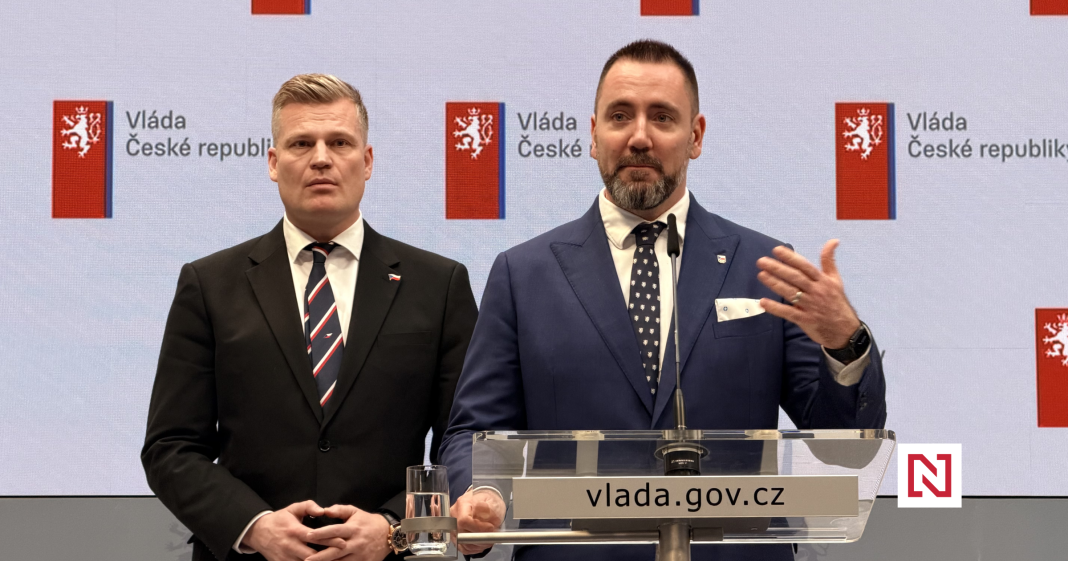

The recent statements made by ministerial candidate Červený have sparked discussions regarding environmental policies and transparency in governance. As he seeks to clarify his stance, these issues remain at the forefront of political discourse in Czechia.
Červený’s Environmental Stance

Červený, nominated for a senior ministerial position, has been vocal about his commitment to advancing environmental measures. In recent public statements, he emphasized the importance of sustainable development, acknowledging the pressing need for government intervention to address climate change. His approach includes fostering renewable energy projects and implementing stricter regulations on pollutants to improve air quality across the country.
Critics, however, have questioned the feasibility of his proposed initiatives, citing potential economic constraints. Červený responded by outlining a phased implementation strategy, aimed at balancing economic growth with environmental responsibility. He assured the public that any policy changes would be backed by thorough research and stakeholder consultation.
Commitment to Transparency

Addressing concerns about governmental transparency, Červený pledged to introduce measures enhancing accountability within public offices. He proposed the establishment of an independent oversight body tasked with monitoring ministerial activities and financial allocations. This move aims to rebuild public trust and ensure that governmental processes remain open to scrutiny.
Transparency has become a crucial topic in Czech politics, especially amidst rising demands from civil society for more openness. Červený highlighted his intention to engage with various non-governmental organizations (NGOs) to foster a culture of participation and dialogue between citizens and policymakers.
Public and Political Reactions

The responses to Červený’s statements have been mixed. Environmental organizations have expressed cautious optimism, praising the intention behind his environmental agenda while awaiting concrete policy details. Meanwhile, opposition parties have criticized what they see as the ambitious nature of his proposals, calling for more detailed fiscal planning.
Červený’s efforts to clarify his policy stance come at a critical time as the country faces growing environmental challenges. His emphasis on transparency has been well received, particularly among younger voters, who are increasingly demanding higher standards of government accountability.
Future Implications

If appointed, Červený’s policies could lead to significant changes in Czechia’s environmental and administrative landscape. His commitment to transparency and environmental sustainability aligns with broader European Union goals, potentially positioning Czechia as a leader in regional environmental policy.
The ultimate impact of Červený’s initiatives will depend on the execution and support from both the public and fellow politicians. As debates continue, the nation will be closely watching how these proposed policies unfold.
In conclusion, Červený’s clarifications mark an important step in addressing key political concerns in Czechia. As the dialogues progress, stakeholders across the spectrum will play crucial roles in shaping the future of environmental policy and governance transparency in the country.
Source: Official Czech Ministry website.