
The international community is on edge as Czech leaders have strongly denounced the recent attacks in the Middle East. The tension escalated further with reports confirming the death of Iran’s Supreme Leader Ayatollah Khamenei, a pivotal figure in global geopolitics.
Czech Republic Responds to Middle East Turmoil

The Czech government has issued a statement condemning the recent escalation of violence in the Middle East. The attacks have drawn widespread criticism from world leaders, and Czech officials are no exception. Emphasizing a commitment to peace and stability, Czechia has called for a diplomatic resolution to the conflict, urging international partners to work towards a sustainable ceasefire.
Czech Foreign Minister stated, “The ongoing violence is deeply concerning. We urge all parties involved to prioritize negotiations and prevent further loss of life.” The Czech Republic is known for its strong stance on human rights and conflict resolution, actively participating in international forums to advocate for peaceful solutions.
Impact of Khamenei’s Death on Middle East Dynamics

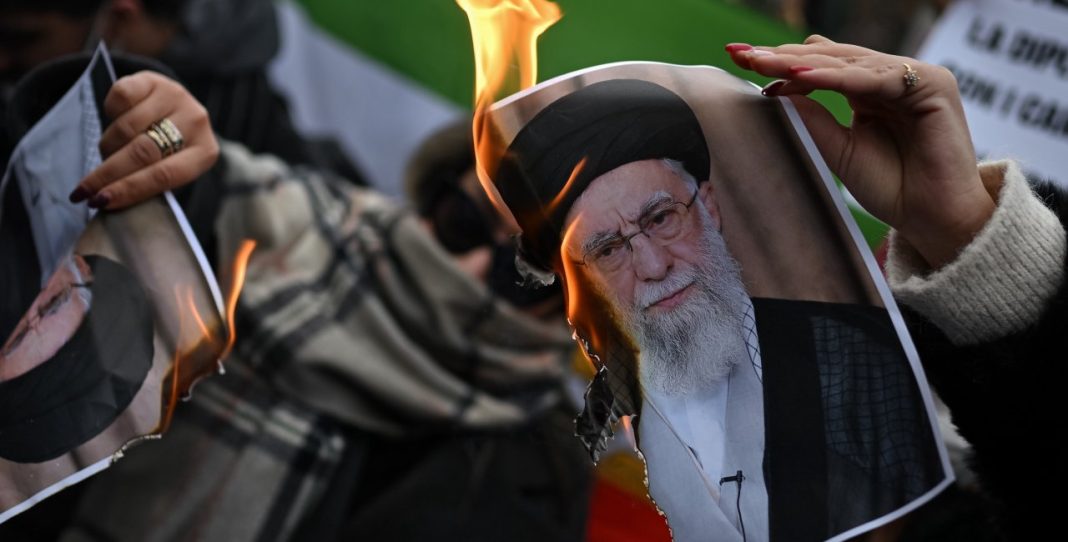
The confirmation of Ayatollah Khamenei’s death marks a significant turning point for Iran and the broader Middle East region. Khamenei, who served as Supreme Leader for over three decades, was a central figure in shaping Iran’s domestic and foreign policies. His death introduces uncertainty, with potential repercussions for regional alliances and power structures.
Analysts suggest that Iran might experience a period of political instability as it transitions to new leadership. This transition could influence Iran’s interactions with neighboring countries, possibly affecting ongoing conflicts and diplomatic efforts across the Middle East.
Global Reactions to the Leadership Void

The international community is closely watching the developments in Iran following Khamenei’s death. Countries with vested interests in the Middle East, including the United States and European Union members, are assessing the potential impact on nuclear negotiations and other strategic concerns.
European nations, including the Czech Republic, are particularly interested in how Iran’s new leadership might approach existing agreements and international relations. The need for a stable and predictable partner in Iran is crucial for ongoing diplomatic engagements and regional security efforts.
Czech-Iran Relations: Looking Ahead
The Czech Republic has historically maintained a diplomatic relationship with Iran, focusing on mutual interests such as trade and cultural exchange. However, the uncertain political climate may alter these dynamics. Czech businesses operating in Iran are advised to stay informed about the political developments that could affect their operations.
Moving forward, Czechia may play a role in facilitating dialogue between Iran and other European countries. As a nation committed to peaceful conflict resolution, the Czech Republic might leverage its diplomatic channels to promote stability in the region.
As the situation evolves, the importance of diplomacy and international cooperation cannot be overstated. The Czech Republic’s call for peace and dialogue resonates in global discussions, emphasizing the need for coordinated efforts to address the complexities of Middle East geopolitics.