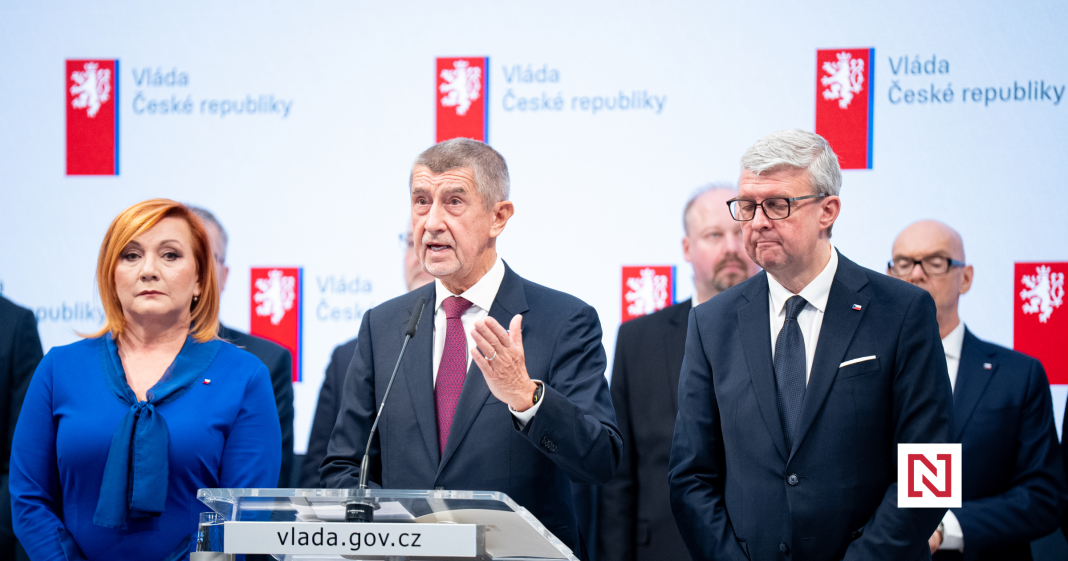

The Czech Republic faces a potential financial setback as the European Union threatens to cut funding over a controversial housing support law. This conflict could cost billions, impacting the country’s future budget plans and social welfare projects.
Background of the Housing Support Law

The housing support law, introduced by the Czech government, aims to alleviate the housing crisis by providing substantial aid to low-income families. It encompasses measures like rental subsidies and incentives for developers to build affordable housing. While the law has been praised by some for addressing significant socio-economic issues, it has also drawn criticism for its financial and regulatory implications.
Critics argue that the law’s broad scope may lead to increased government spending without adequately solving the underlying issues such as housing shortages and urban planning deficiencies. The lack of sustainable funding models and potential for increased public debt are major concerns highlighted by economic analysts.
EU’s Reaction and Funding Threats

The European Union has expressed significant concern over the Czech housing support law, citing compliance issues with EU fiscal regulations. The EU’s apprehension centers on how the law’s implementation might contradict broader economic policies agreed upon by member states.
As a repercussion for non-compliance, the EU has warned of possible cuts to funding allocated to the Czech Republic. These funds are crucial for various developmental and infrastructural projects across the country. The financial blow could reach into the billions, severely hindering planned improvements in sectors like transport, technology, and healthcare.
Economic Impacts and Projections

The potential cut in EU funding could have far-reaching economic consequences for the Czech Republic. Immediately, it may force the government to divert funds from other essential services to support ongoing housing projects. This reallocation may slow economic growth and affect the country’s ability to attract foreign investments.
Moreover, economists predict a ripple effect on the national economy, with possible increases in unemployment rates and a reduction in consumer spending. The uncertainty surrounding the EU funds could also impact investor confidence, further straining the financial stability of the nation.
Government’s Response and Future Plans

In response to the EU’s threats, the Czech government is working to amend the housing support law to align with EU regulations. Officials have emphasized their commitment to finding a balanced approach that satisfies both the urgent housing needs and fiscal responsibilities.
The government plans to engage in negotiations with EU representatives to avoid funding cuts. These discussions are expected to focus on modifying the law to ensure compliance while still effectively addressing the housing crisis. Additionally, the Czech authorities are exploring alternative funding mechanisms, including private investments and public-private partnerships, to sustain housing projects without relying heavily on EU funds.
As negotiations continue, the resolution of this conflict remains uncertain. However, both the Czech government and the EU have expressed willingness to collaborate towards a solution that supports the country’s social and economic stability.