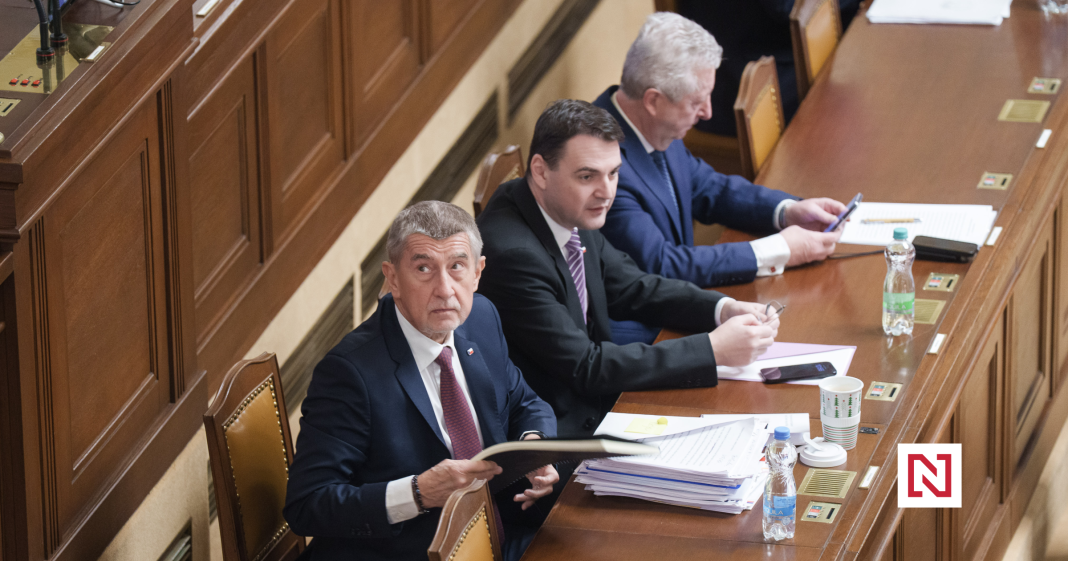

The Czech government recently secured a confidence vote, bolstered by the strategic support of the far-right SPD party in backing aid to Ukraine. This development signifies a crucial moment in Czech politics and showcases a shift in international aid strategy.
The Vote of Confidence and Political Dynamics

The Czech government faced a confidence vote amid a backdrop of growing political tension and rising public debates on international aid. The unexpected support from the far-right SPD party was pivotal, tipping the scales in favor of the current administration. The vote demonstrates a rare alignment of priorities among Czech political factions, primarily driven by foreign policy considerations.
Prime Minister Petr Fiala’s administration has been under pressure to justify its foreign aid commitments, particularly towards Ukraine amidst the ongoing conflict. The government argued that supporting Ukraine is both a humanitarian obligation and a strategic necessity for maintaining European stability. The SPD’s support was critical, as it opened new pathways for agreement on foreign policy, which are usually characterized by partisan division.
SPD’s Stance on Ukrainian Aid

The decision by the SPD to support the government’s foreign aid policy marks a significant shift in their conventional stance. Traditionally, the SPD has been hesitant about extensive foreign aid, emphasizing domestic priorities instead. However, geopolitical dynamics have influenced their decision-making, showcasing a pragmatic side willing to prioritize broader security frameworks.
Analysts suggest that the SPD’s support for Ukrainian aid could be a strategic move to broaden their political appeal and underline their willingness to collaborate on issues critical to national security. This move may also be seen as an attempt to solidify their role as significant stakeholders in Czech foreign policy.
Implications for Czech-Ukrainian Relations

The successful confidence vote not only reinforces the Czech government’s position but also strengthens bilateral relations with Ukraine. By securing parliamentary support for aid, Czechia reaffirms its commitment to assisting Ukraine in its struggle against aggression, aligning with broader European Union strategies.
This decision could enhance Czechia’s standing on the international stage as a reliable ally and partner committed to European security. It also suggests an openness to more significant collaboration with Ukraine, potentially paving the way for further diplomatic and economic engagements.
Public Perception and Future Challenges

The public reception of the government’s actions remains mixed. While some praise the Czech administration for standing firm on international solidarity, others voice concerns over domestic resource allocation. The challenge lies in balancing these concerns while maintaining consistent foreign policy objectives.
The government now faces the task of communicating the benefits of its foreign aid strategy to the public to garner broader support. This includes emphasizing the long-term security benefits and economic opportunities that come with a stable Europe.
The successful confidence vote, supported by the SPD, marks a pivotal moment in Czech politics, emphasizing the complexities of balancing domestic priorities with international responsibilities.