
The Czech Government has announced plans to modify the conditions for Ukrainians residing in the country. This move comes as part of a broader strategy to address ongoing immigration and integration issues.
Details of Proposed Changes

The government’s proposal aims to reassess and potentially change the residency and work conditions for Ukrainian nationals in Czechia. As one of the largest expatriate communities in the country, Ukrainians have contributed significantly to various sectors, but the influx has prompted calls for updated regulations. These changes may involve alterations to work permit requirements and residency criteria to ensure a balanced approach that benefits both the host country and the immigrant population.
According to officials, the goal is to streamline processes to better accommodate those who plan to stay long-term while regulating entry to align with national economic needs. These discussions are still in the initial stages, and further consultations with relevant stakeholders are anticipated.
Impact on Ukrainian Community

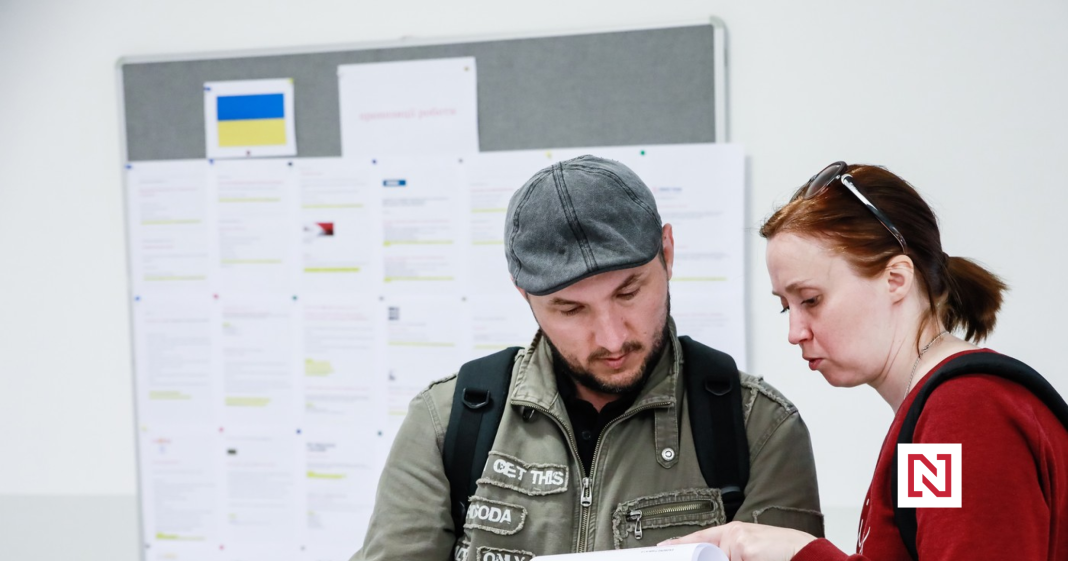
The Ukrainian community in Czechia has expressed both concern and cautious optimism about these impending changes. Many Ukrainians have established roots in the local society, contributing to sectors such as construction, healthcare, and services. As such, any alterations to their legal status could have far-reaching implications for families and businesses alike.
Community leaders have urged the government to consider the contributions of Ukrainians and to foster policies that ensure fair treatment and opportunities for integration. Open forums and meetings between the government and community representatives may be organized to discuss these issues in more detail.
Economic Implications

Czechia’s economy has benefited substantially from the labor provided by Ukrainian immigrants. They fill essential roles in various industries that are experiencing local labor shortages. The proposed changes are seen as a measure to optimize this dynamic, enhancing productivity while managing population growth strategically.
However, economists warn that abrupt or restrictive changes could disrupt the economic balance, urging a cautious approach that aligns with both economic imperatives and humanitarian considerations. Detailed impact assessments and studies are expected to guide decision-making processes.
Political and Social Reactions

The announcement has sparked reactions across the political landscape, with some parties advocating for stricter immigration controls, whereas others call for more inclusive policies. The debate highlights the broader conversation around immigration in Europe and the balance between security and openness.
Socially, public opinion appears divided, with some citizens expressing concerns over cultural integration and resource allocation, while others highlight the importance of diversity and cultural exchange. These discussions will likely influence future policy directions and the public’s perception of the government’s immigration strategy.
As the situation develops, the Czech government’s approach will likely serve as a model or a point of reference for neighboring countries grappling with similar issues. Ongoing dialogue and transparency will be crucial in ensuring a resolution that is equitable and sustainable.
Source: Official Czech Government website.