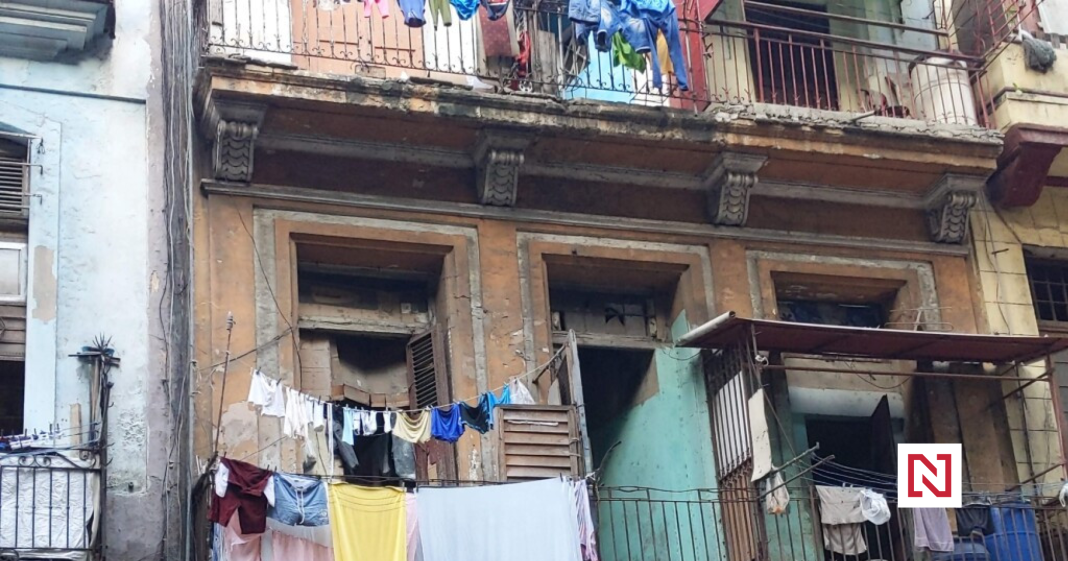

Cuba is currently grappling with a severe energy crisis that has led to widespread power outages. These outages are causing significant water shortages and creating new health risks for the population.
Impact of Energy Crisis on Daily Life

The Cuban energy crisis is primarily triggered by the country’s heavy reliance on imported oil, which has been further strained by geopolitical tensions and economic restrictions. The lack of sufficient energy resources is disrupting electricity distribution, leading to prolonged power cuts in both urban and rural areas.
These power outages are not just an inconvenience but have a ripple effect on essential services. Without electricity, water pumps cannot function, resulting in widespread water shortages. This has forced residents to resort to alternative and often unsafe water sources, increasing the risk of waterborne diseases.
Challenges in Healthcare Facilities

Healthcare facilities in Cuba are currently struggling to maintain operations amid frequent power cuts. Hospitals and clinics are reliant on electricity for vital equipment, refrigeration of medicines, and basic lighting. The inconsistent power supply has forced healthcare providers to make difficult decisions about resource allocation, potentially endangering patient care.
Moreover, the unpredictable energy situation is complicating treatments that depend on electrically powered devices. This has led to delays in elective procedures and put additional strain on an already overstretched healthcare system.
Government Response and Public Sentiment

The Cuban government has acknowledged the energy crisis and is attempting to alleviate the issue by sourcing fuel from alternative suppliers. However, these efforts have been hampered by bureaucratic obstacles and logistical challenges.
Public sentiment is one of growing frustration, as households bear the brunt of the crisis. Citizens have expressed concerns about the government’s ability to manage the situation effectively and are calling for more transparency and communication regarding resolution efforts.
Long-term Solutions and International Assistance

In the search for sustainable solutions, Cuba is exploring renewable energy options, such as solar and wind, to reduce dependency on imported oil. These initiatives are still in their nascent stages, and significant investments and international partnerships are required to realize their potential.
The international community has shown some willingness to assist, with offers of technical support and aid. However, international interventions are often complicated by Cuba’s diplomatic relationships and existing sanctions.
The current energy crisis in Cuba underscores the need for a multifaceted approach to infrastructure resilience and sustainable energy solutions. As efforts to address these challenges continue, the situation remains a critical concern for the health and wellbeing of the Cuban populace.