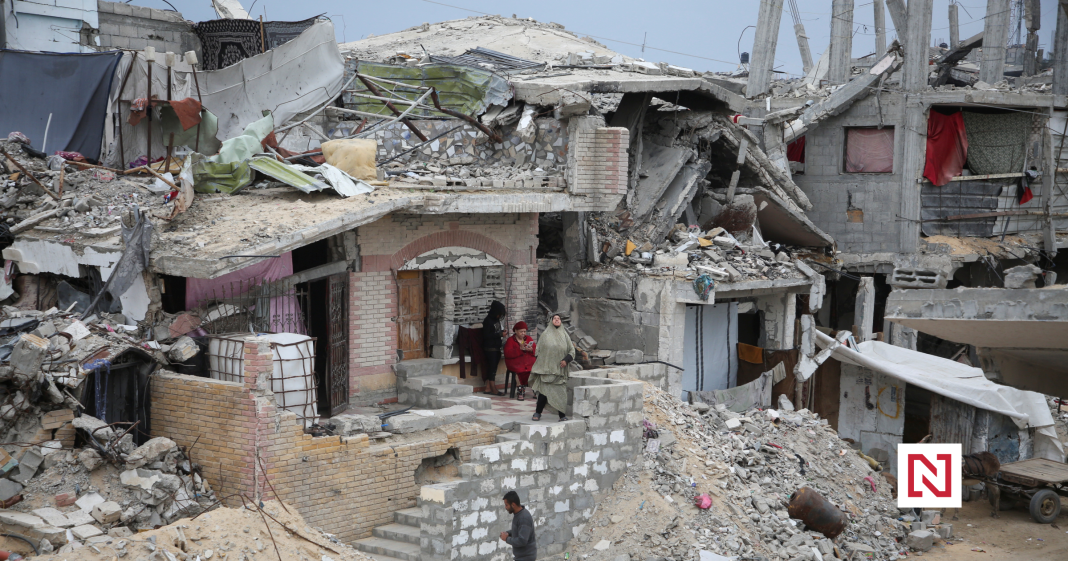

In a recent turn of events, a development project in Gaza has stirred controversy for allegedly disregarding the needs of the Palestinian community. Critics argue that the initiative prioritizes external interests over local residents’ welfare.
Project Overview and Objectives

The development project in question is a large-scale venture aiming to modernize infrastructure and boost economic growth in Gaza. Initiated by international stakeholders, the project purports to bring job opportunities and improved facilities to the region. However, tensions have arisen over the project’s true priorities and impact on local communities.
Proponents argue that these developments hold the promise of revitalizing a struggling economy. According to initial plans, the project intends to construct new residential areas, commercial spaces, and public amenities, which should theoretically contribute to better living standards and increased employment.
Local Concerns and Criticisms

Many Palestinians have voiced concerns that the development plan fails to address immediate needs such as healthcare, education, and utilities. Critics point out that the project appears to focus more on aesthetics and external investments rather than substantive improvements in daily life for residents.
Local advocacy groups have raised alarms over potential disruptions and displacement that could result from construction activities. They emphasize that any development should genuinely cater to the poverty-stricken population of Gaza, providing them with resources that improve their quality of life.
International Involvement and Reactions

The project’s international backing has drawn attention from human rights organizations, which are scrutinizing the handling of Palestinian concerns. Some international partners assert that the project aligns with humanitarian goals, but these claims are met with skepticism by those on the ground.
The involvement of foreign entities in local affairs often raises questions about sovereignty and self-determination. Thus, critics are urging this venture to involve comprehensive consultations with Palestinian leaders and citizens, ensuring their voices are heard and respected.
Future Implications and Potential Outcomes

The trajectory of this development project could significantly shape Gaza’s future, setting a precedent for how international investments are managed in the conflict-stricken region. Its outcomes will likely influence future collaborations and help outline frameworks for handling similar initiatives globally.
If successfully adapted to better serve local needs, the project might gain wider acceptance and prove mutually beneficial. However, without addressing current criticisms, it risks further alienating the Palestinian populace and exacerbating existing tensions.
Ultimately, the way forward will require balancing developmental ambitions with compassionate, inclusive policy-making that prioritizes the people of Gaza.